You’ve dealt with the water. The plumbers have come and gone. The fans have stopped humming. And now you’re standing there staring at stained ceilings or patchy walls, thinking, “Okay… so who actually pays to repaint this?”
It’s one of the most common questions we hear after storms, burst pipes, and flooding across Sydney. And the answer is not always as straightforward as you’d hope.
Let’s break it down clearly. No jargon. No scare tactics. Just what usually happens, and what to watch for.
The Quick Answer Most People Need
In most cases, insurance will cover repainting if the damage was caused by a sudden and insured event. That might include:
- Storm or flood damage
- A burst pipe
- An overflowing appliance
- Sudden water ingress through a damaged roof
If the paint was damaged as a direct result of that event, repainting is often included as part of restoring the property to its previous condition.
What usually isn’t covered?
- Gradual leaks you didn’t know about for months
- Long-term moisture problems
- Wear and tear
- Mould is not directly linked to a specific insured event
- “While we’re at it, let’s repaint the whole house” upgrades
Insurance is designed to return your home to where it was yesterday. Do not give it a renovation boost. That distinction matters.
What Insurance Typically Covers After Flood Or Water Damage
When insurers talk about “resulting damage,” this is what they mean.
If water from a sudden event has:
- Stained ceilings or walls
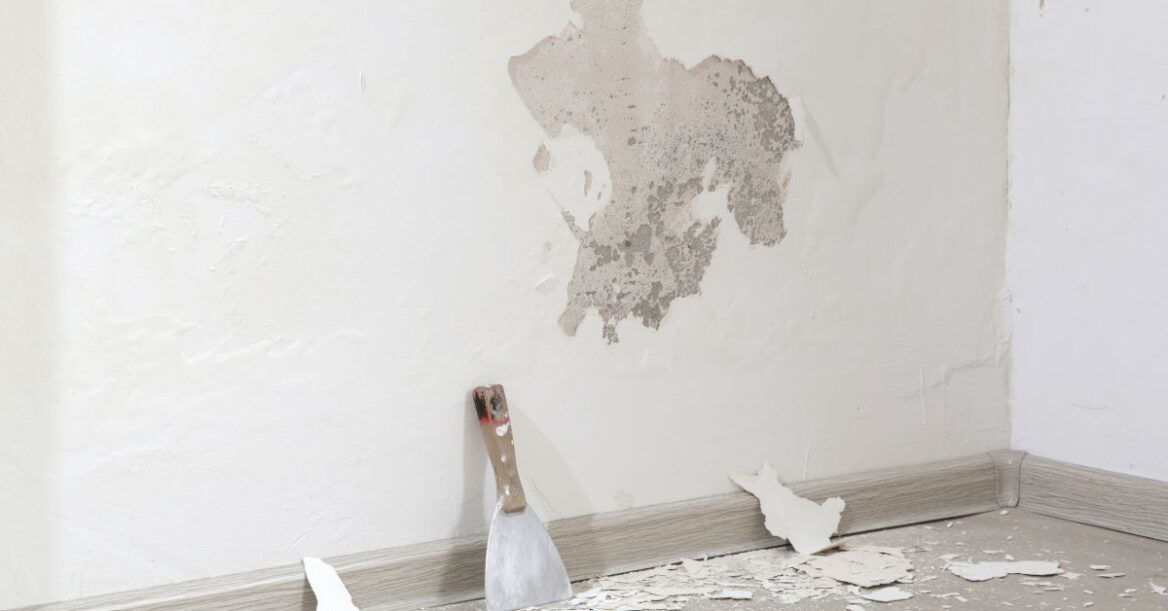
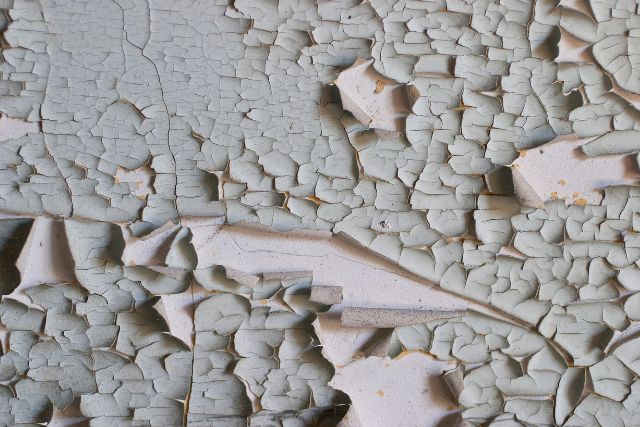
- Caused bubbling or peeling paint
- Damaged plaster that now needs patching
- Left visible marks after drying
- Created odours that require sealing before repainting
Then, repainting is often considered part of reinstatement.
We’ve worked on plenty of homes where plaster repairs were approved first, and repainting was simply the final step to make the space livable again. That’s usually when homeowners call us. The messy part is done. They just want their home to look normal.
One important detail insurers focus on is “pre-loss condition.” If your walls were already heavily marked, faded, or peeling before the flood, that can influence how much is approved.
It’s not about being unfair. It’s about restoring, not improving.
What Insurance Usually Doesn’t Cover
This is where frustration creeps in.
Painting might not be approved if the damage is linked to:
- A slow, ongoing leak that wasn’t repaired
- Poor maintenance
- Existing mould problems
- Cosmetic improvements unrelated to the event
- General ageing of paint
For example, if a bathroom has had ventilation issues for years and mould has built up gradually, insurers often treat that differently from sudden water damage caused by a pipe bursting overnight.
It feels harsh sometimes. But the keyword insurers use is sudden.
If you’re unsure, don’t guess. Check your Product Disclosure Statement or speak with your insurer directly before booking repainting work.
And if you’ve received a scope of work and it’s confusing, a professional painter can often help you interpret what’s realistic from a finishing perspective.

The Coverage Details That Decide Whether Painting Gets Approved
There are a few technicalities that quietly decide whether repainting is included.
Sudden Vs Gradual Damage
If the event happened unexpectedly and caused immediate damage, approval is far more likely. A pipe burst in the wall overnight. A storm that flooded the living room.
But a drip behind a cabinet that’s been slowly soaking plaster for six months? That’s where claims get complicated.
Flood Vs Storm Vs Escape Of Liquid
Policies sometimes treat these differently. Flood definitions in particular can vary between insurers.
That’s why it’s important not to assume. Two neighbours can experience the same storm and have different outcomes based on policy wording.
Partial Repairs And Paint Matching
Here’s something that catches people off guard.
An insurer may approve repainting “the affected area.” In reality, that could mean patching and repainting one section of the wall.
But paint rarely blends perfectly into older surfaces. Even if you use the same colour code.
This is where experience matters. Sometimes extending the repaint to a full wall or room creates a consistent finish. Whether that’s approved depends on the scope and the assessor’s decision.
Insurance rewinds. It doesn’t redesign.
Excess And Claim Value
Sometimes the repaint cost is close to your excess. In those cases, it may not make financial sense to claim at all.
It’s worth doing the maths before proceeding.
Before You Paint Anything, Do These 5 Things
It’s tempting to just “get it sorted.” Especially when you’re exhausted from dealing with trades and paperwork.
But slow down for a moment.
- Photograph everything clearly. Wide shots and close-ups.
- Wait for drying confirmation from remediation teams. Painting too early can cause stains to bleed back through.
- Keep records of dates and trades that attended the property.
- Don’t repaint before assessment unless your insurer gives written approval.
- Retain damaged materials where possible until inspection is complete.
We’ve seen ceiling stains reappear simply because surfaces weren’t fully dry before sealing. It’s frustrating. And avoidable.
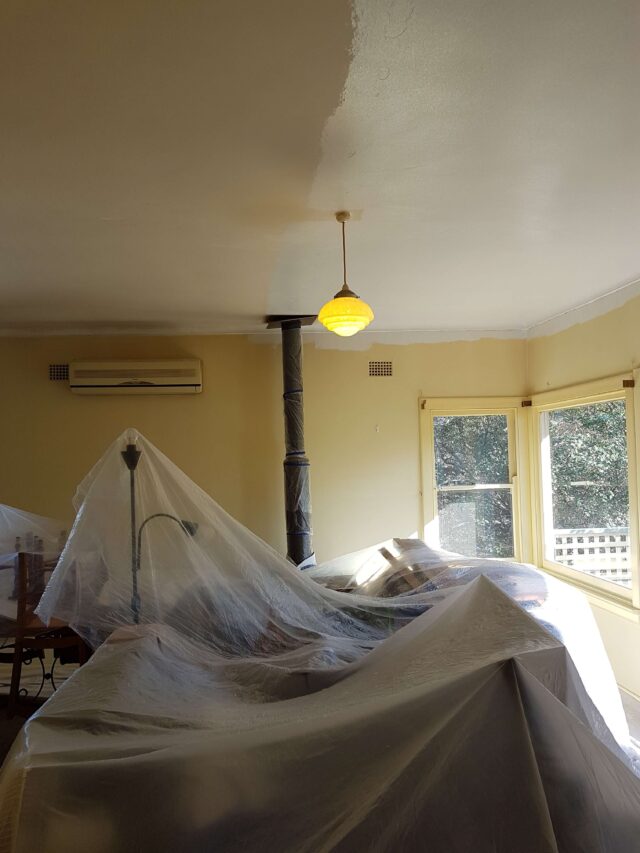
A good visual for this section would be a before-and-after image of a water-stained ceiling properly sealed and repainted. It helps people understand what professional prep actually achieves.
When Repainting After Flood Damage Is Not Just “A Coat Of Paint”
Here’s the part most online guides gloss over.
Repainting after flood damage isn’t the same as refreshing a bedroom.
It usually involves:
- Surface preparation after plaster repairs
- Stain-blocking primers to prevent bleed-through
- Odour-sealing products where moisture has lingered
- Careful sanding and blending
- Clean containment in occupied homes
You can’t just roll over it and hope for the best.
We’ve been called to jobs where DIY attempts looked fine for two weeks. Then the brown watermark crept back through the fresh white paint like a ghost.
Proper preparation makes the difference between a quick cosmetic fix and a finish that actually lasts.
How The Process Usually Works After An Insurance Claim
Once your claim is approved and repairs are complete, repainting typically follows a simple structure:
- Review the approved scope of work.
- Inspect repaired surfaces and confirm readiness.
- Prepare, seal, and repaint affected areas.
- Final walkthrough and tidy-up.
At Advanced Painting, we’re used to working in occupied homes and around other trades. The goal is always the same. Restore the space properly, with minimal disruption.
If you’re at the stage where plaster repairs are done and you just want your home back to normal, this is usually the right time to book a repainting quote.
FAQs About Flood Damage Painting And Insurance
These are the questions homeowners across Sydney ask us most often after water damage.
Does Insurance Cover Repainting Walls After Flood Damage?
If the damage was caused by a sudden insured event and repainting is required to restore the property, it is often included. Always confirm with your insurer and check your policy wording.
Will Insurance Pay To Repaint The Whole Room If Only One Wall Was Damaged?
Sometimes, only the affected area is approved. However, visible mismatching can be a concern. Outcomes vary depending on the assessor and policy terms.
Can I Start Painting Before The Assessor Visits?
Generally, no. Unless you’ve been given clear approval, painting before assessment could affect your claim.
What If The Damage Came From A Slow Leak?
Gradual damage is commonly excluded under many policies. If a leak occurred over time, coverage may be limited or declined.
Does Insurance Cover Mould And Odours?
If mould or odour is directly linked to an insured event and documented promptly, it may be included. Long-term moisture issues are often treated differently.

Bringing It All Back To Normal
Flood damage is disruptive. It’s messy. And by the time you reach the painting stage, you’re probably just tired.
The good news is this. When repainting is handled properly, with the right preparation and products, your home can look and feel normal again.
No stains. No lingering smells. No patchy walls reminding you of what happened.
If you’re in Sydney and dealing with post-flood repairs, Advanced Painting delivers high-quality, professional repainting with clean workmanship and attention to detail. We work alongside insurers, builders, and homeowners to restore properties the right way.
When you’re ready, get in touch for a clear, honest quote. Let’s finish the job properly.