
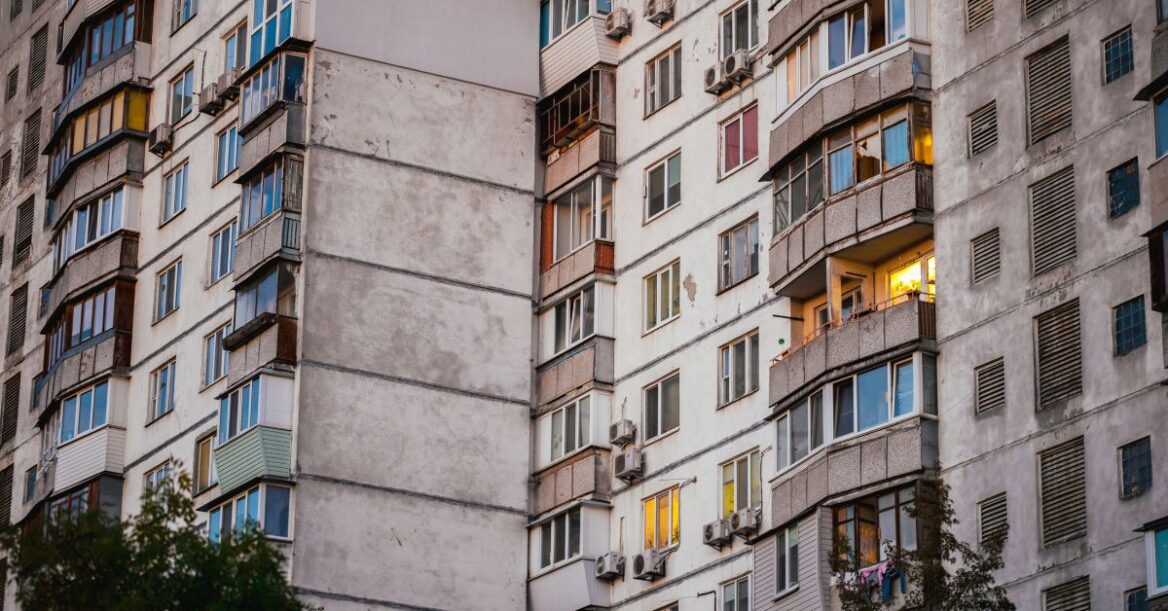
If you are on a strata committee, this question usually comes up at one of two times. Either the building is starting to look tired. Or someone says, “Shouldn’t we have done this already?”
The short answer is not just a number. But there is a practical range. And understanding it properly can save your owners’ corporation a lot of money and frustration.
Let’s break it down properly.
Quick Answer For NSW Strata Repainting Cycles
For most strata buildings in NSW:
- Exterior surfaces typically need repainting every 7 to 10 years
- Interior common areas often need repainting every 5 to 7 years, sometimes sooner in high-traffic zones
That is the general rule of thumb. But it is only a starting point.
Some Sydney buildings need attention closer to the 6 or 7-year mark. Others can stretch beyond 10 years if they are well-prepared, properly coated, and maintained.
The real answer depends on:
- Coastal exposure and salt air
- Harsh UV and sun-facing elevations
- Building materials and previous coating systems
- Ongoing maintenance and cleaning routines
If you are managing a building in NSW, especially around Sydney, repainting is less about cosmetic refresh and more about protecting the asset before deterioration accelerates.
And that is where experience matters.

What Changes The Repainting Timeline In NSW?
Not all strata buildings age the same way. Two buildings constructed in the same year can look completely different a decade later.
Here is why.
Coastal Vs Inland Exposure
If your building is near the coast, think Northern Beaches, Eastern Suburbs, or anywhere exposed to strong sea breezes, the paint system works harder.
Salt air is corrosive. It clings to surfaces, especially metal balustrades, window frames, and exposed steel. Over time, coatings break down faster.
Inland buildings do not escape wear. Western Sydney properties often deal with intense heat and UV exposure. Sun-facing façades fade and chalk more quickly.
We often see one elevation looking perfectly fine while the north or west-facing side has visibly deteriorated. Same building. Different stress.
Building Materials And How They Behave Over Time
Different substrates age differently.
- Timber expands and contracts, which stresses paint films
- Rendered masonry can hold moisture, leading to blistering or peeling
- Concrete develops hairline cracks, which allow water ingress if coatings fail
- Metal components corrode quickly if coatings break down
A repainting schedule that works for one building might be too late for another, simply because of material differences.

The Quality Of The Last Paint Job
This one is rarely discussed openly. But it matters.
If the previous repaint involved thorough preparation, crack repairs, proper primers, and premium products from brands like Dulux, Taubmans, or Wattyl, you are likely to see longer performance.
If corners were cut, poor preparation, thin coatings, and rushed timelines, you may see early failure.
And when paint fails early, the next repaint costs more. Because now you are not just repainting. You are fixing the damage first.
Maintenance And Inspection Rhythm
Strata buildings that conduct periodic inspections and minor touch-ups often extend their repainting cycles.
Those who wait until peeling becomes obvious usually face larger scopes of work.
A simple annual walkaround with a professional eye can highlight:
- Early cracking
- Fading or chalking
- Water stains near joints or balconies
- Rust bleed-through on metal elements
Catching these early can mean the difference between a controlled repaint and a reactive, urgent project.

Signs Your Strata Building Is Due For Repainting
Committees often ask, “How do we know it is actually time?”
Here is what to look for.
Early Warning Signs
These do not mean panic. But they are signals.
- Fading or uneven colour across façades
- Chalky residue when you rub the wall
- Fine hairline cracking in coatings
- Patchy areas where previous touch-ups do not match
These are signs that the coating system is nearing the end of its protective life.
Red Flag Signs
These should not be ignored.
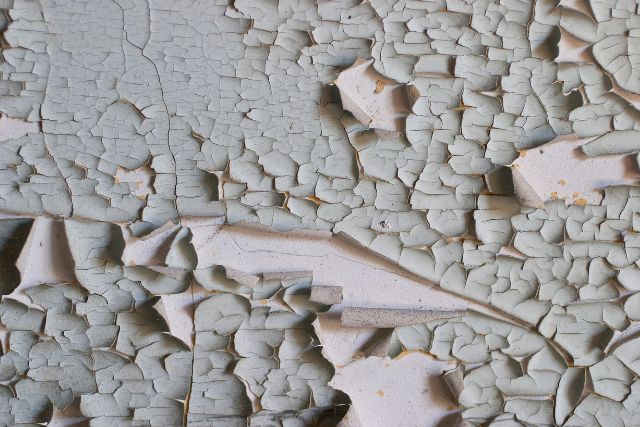
- Peeling or flaking paint
- Bubbling or blistering
- Exposed substrate, timber, metal, or render
- Rust stains are bleeding through the paint
- Persistent water staining
At this stage, repainting is no longer just cosmetic. It is about preventing structural or substrate damage.
A useful visual suggestion for this section would be a simple side-by-side photo comparison showing early chalking versus advanced peeling. It helps committees understand what “normal ageing” looks like compared to “action required.”
How To Plan Repainting Without Panic Levies
Repainting should not be a surprise expense.
In NSW, strata schemes are expected to plan for major capital works. Exterior repainting almost always falls into that category. It should sit comfortably within your 10-year capital works planning horizon.
The mistake we see is leaving repainting off the radar because “it still looks okay.”
Here is what usually happens next:
- Minor deterioration is ignored
- Moisture enters small cracks
- Substrates degrade
- Prep work becomes more intensive
- The final repaint costs more
Proactive repainting protects:
- Property value
- Visual appeal
- Committee reputation
- Long-term maintenance budgets
A sensible approach looks like this:
- Commission a professional condition assessment
- Define scope clearly, including repairs and surface prep
- Align the budget with capital works planning
- Run a transparent tender process
- Communicate clearly with residents before work begins
When handled well, repainting feels organised and controlled. Not chaotic.
What We See On Sydney Strata Jobs
After more than 20 years in the painting industry and years delivering strata projects across Sydney, certain patterns repeat.
We have worked on buildings where:
- The front façade looked fine, but the balcony soffits were already failing
- High-traffic foyers needed repainting years before the exterior
- Coastal balustrades deteriorated twice as fast as sheltered walls
- Minor cracking left untreated led to significant repair scopes later
Strata repainting is rarely about one uniform timeline. It is about understanding the building as a whole system.
That is why experience, proper preparation, and high-quality materials make such a difference to how long the next cycle lasts.
If you are unsure where your building sits on that spectrum, an inspection gives you clarity. Guessing does not.
The Takeaway For NSW Strata Committees
Most strata buildings in NSW will need exterior repainting roughly every 7 to 10 years. Interiors often sooner.
But the smarter question is not “What year are we up to?”
It is:
- What condition is our building in right now?
- Are we protecting the asset properly?
- Are we planning ahead or reacting late?
If your committee is reviewing its maintenance schedule or capital works plan, this is the right time to assess your repainting cycle.
Advanced Painting works with strata committees across Sydney to deliver high-quality finishes, minimal disruption, and clear, professional processes. Fully insured. OH&S compliant. Backed by a 5-year workmanship warranty.
If you would like a straightforward condition assessment and practical advice on timing, reach out to Sydney’s Trusted Painting Professionals and start with clarity.
Strata Repainting FAQs
Below are common questions strata committees ask when planning building repainting in NSW.
How Often Should A Strata Building Be Repainted In NSW?
Most exteriors require repainting every 7 to 10 years, depending on exposure, materials, and previous coating quality. Interior common areas typically fall within a 5 to 7-year cycle, especially in high-traffic spaces.
Who Pays For Strata Painting?
Exterior and common area repainting is generally funded through the owners’ corporation, usually via the capital works fund. It is considered a shared responsibility as part of maintaining common property.
How Long Does Strata Painting Take?
Timelines depend on building size, access requirements, weather, and the scope of preparation work. Smaller schemes may take a few weeks. Larger multi-storey buildings can take several months when staged carefully to minimise disruption.
Do Residents Need To Do Anything During Painting?
In most cases, residents may need to provide access to balconies, move items away from walls, or close windows during specific stages. Clear communication beforehand prevents frustration and delays.
Can We Change Colours During A Repaint?
Colour changes may require formal approval under strata regulations, depending on whether the change is considered maintenance or an improvement. It is important to clarify this early in the planning process.
What Is The Best Time Of Year To Repaint In Sydney?
Sydney’s climate allows painting most of the year. However, stable, mild weather conditions typically provide optimal curing and efficiency. A professional contractor will advise on ideal scheduling based on your building’s exposure and scope.
If repainting is on your radar, even if it is two or three years away, starting the conversation now puts your committee in control. And control is exactly what good strata management is about.


