Choosing between spray painting and roller painting can be confusing when planning a repaint or renovation. Both methods are widely used by professional painters, but they produce slightly different results and suit different situations. Understanding how each method works, what it costs, and when professionals prefer one over the other helps you make the right choice for your project.
Whether you are repainting a living room, getting your property ready for sale, or finishing a new build, the application method plays an important role in achieving a high-quality, long-lasting finish.
What Is Spray Painting?
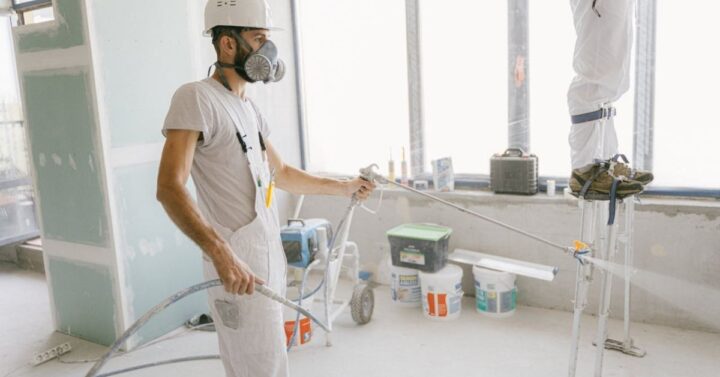
Spray painting applies paint using powered equipment that atomises the paint into a fine mist. The mist spreads evenly across the surface, creating a consistent coating.
Professional painters commonly use airless sprayers or HVLP (high-volume low-pressure) sprayers, depending on the paint and the job. Because the paint is sprayed rather than rolled, large surfaces can be coated quickly with a very uniform appearance.
How Paint Sprayers Work
A paint sprayer pumps paint through a nozzle at high pressure, breaking it into tiny droplets that land evenly on the surface.
This allows painters to:
- Cover large areas quickly
- Apply consistent coats
- Reach textured or detailed surfaces more easily
The result is typically a smooth, even finish with minimal visible texture.
Where Spray Painting Works Best
Spray painting is particularly effective for:
- New construction homes
- Large exterior walls
- Commercial interiors
- Cabinets and joinery
- Large ceilings
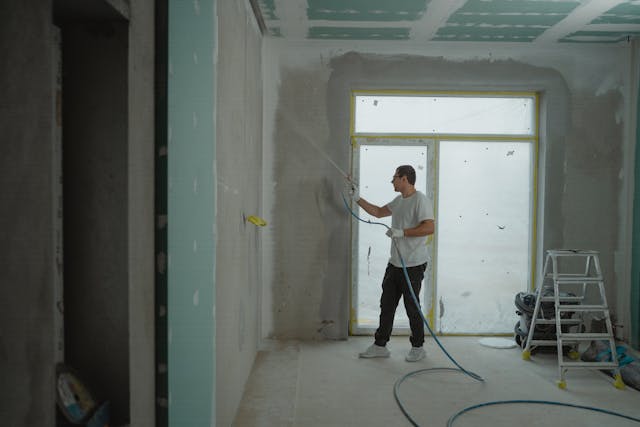
For example, during the construction of a new home, painters often spray walls and ceilings before flooring or cabinetry is installed. With the space still empty, spraying allows fast coverage and consistent results.
Key Considerations With Spray Painting
Despite its advantages, spraying requires careful preparation.
Painters must manage:
- Overspray, where fine paint particles drift beyond the target surface
- Extensive masking to protect windows, floors, and fixtures
- Proper ventilation, especially indoors
Because of this preparation, spray painting often involves more setup than many homeowners expect.

What Is Roller Painting?
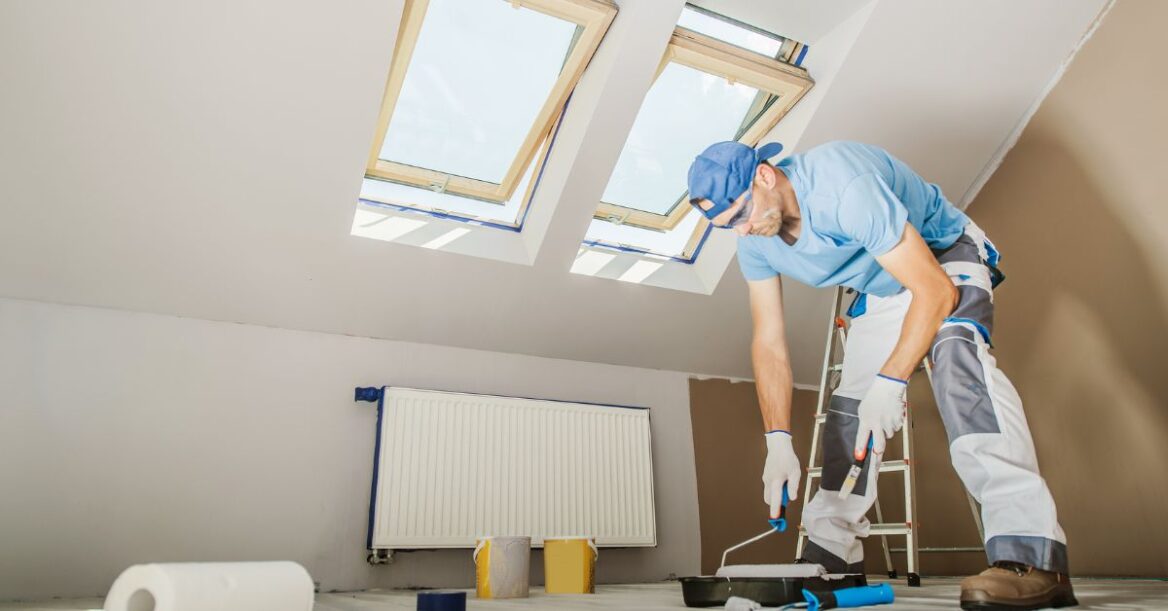
Roller painting uses a paint roller attached to a frame or extension pole to apply paint directly to a surface. The roller absorbs paint and spreads it across the wall as it moves.
Even with modern spray equipment available, rollers remain one of the most commonly used tools in residential painting, particularly for interior repaints.
How Paint Rollers Apply Paint
Rollers use a fabric sleeve called a roller nap, which absorbs paint and releases it evenly as the roller moves across the surface.
This controlled method helps painters build consistent coverage while keeping paint exactly where it is needed.
Rollers are especially practical in furnished homes where masking every nearby surface would be time-consuming.
Where Rolling Works Best
Roller painting is typically preferred for:
- Interior walls
- Bedrooms and living rooms
- Renovations in occupied homes
- Smaller areas or feature walls
For example, repainting a bedroom while furniture remains in the room is usually easier with a roller, as it avoids the overspray risks associated with spraying.
Choosing The Right Roller Nap
The thickness of the roller nap affects the final finish.
Different naps suit different surfaces:
- Short naps for smooth plaster walls
- Medium naps for standard interior surfaces
- Thicker naps for textured materials such as brick or render
Using the correct nap ensures the paint spreads evenly and reaches small surface imperfections.
Spray Vs Roll Painting: Key Differences At A Glance
Both spray painting and roller painting can deliver excellent results. The key differences relate to preparation, speed, and the type of surface being painted.
| Factor | Spray Painting | Roller Painting |
|---|---|---|
| Finish smoothness | Very smooth with minimal texture | Slight texture depending on roller nap |
| Speed of application | Fast once preparation is complete | Slower but steady |
| Preparation required | Extensive masking required | Minimal masking |
| Paint usage | Slightly higher due to overspray | More controlled use |
| Surface suitability | Large areas, cabinets, new builds | Interior walls and smaller areas |
| Skill level | Requires specialised equipment | Easier to control |
| Typical use cases | Exteriors, ceilings, commercial spaces | Residential interior repaints |
These differences explain why professional painters select the technique based on the specific project rather than personal preference.
Which Method Gives The Better Finish?
Many people assume spray painting automatically produces a better finish. In reality, the final result depends on the surface and how the paint is applied.
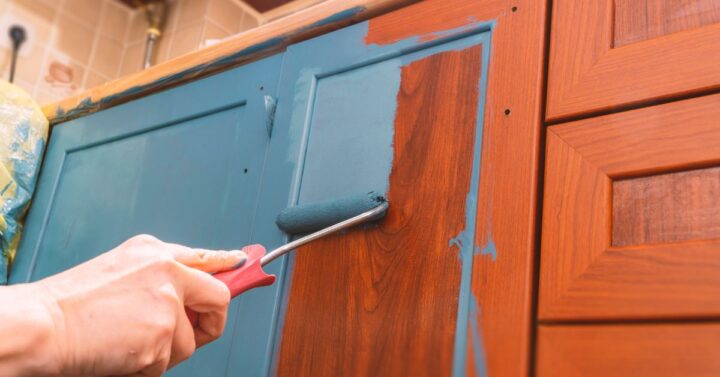
Sprayers create an extremely smooth surface because the paint is distributed as a fine mist. This makes spraying ideal for cabinets, doors, and detailed joinery, where a flawless finish is important.
Rollers leave a subtle texture, which often works well on interior walls. This light texture can help hide minor surface imperfections and create a consistent look across large wall areas.

Why Professionals Often Spray And Back-Roll
On many professional projects, painters combine both methods.
A common technique is spray and back-roll, where paint is sprayed and then rolled immediately afterwards.
This approach:
- Pushes paint deeper into the surface
- Improves adhesion
- Creates a consistent texture
It combines the speed of spraying with the reliability of rolling.
Surfaces Where Finish Matters Most
The choice of method often depends on the surface.
Spraying is frequently used for:
- Cabinets
- Doors
- Trim and mouldings
Rolling is generally better suited to:
- Interior plaster walls
- Living spaces
- Bedrooms and hallways
Many projects involve a mix of both techniques to achieve the best overall finish.

Cost Comparison: Spray Vs Roller Painting
Cost is one of the most common concerns when comparing painting methods. Several factors influence the overall price, including equipment, preparation time, and paint usage.
Spray painting requires specialised equipment, which increases setup costs. It also involves more preparation to protect surrounding surfaces.
Roller painting uses simpler tools and typically requires less preparation, which often makes it more cost-effective for smaller projects.
Does Spraying Use More Paint?
Spraying can use slightly more paint because some paint is lost as overspray.
When handled by experienced painters, the difference is usually minimal. Proper spray pressure and technique help reduce waste.
Real-World Cost Differences
Consider two common situations.
Painting the exterior of a home may benefit from spraying because the large surfaces allow painters to work quickly.
Repainting a single bedroom is often more efficient with a roller. The time required to mask floors, windows, and furniture for spraying can outweigh the speed advantage.
Experienced painters assess the layout and scope of the project before choosing the most practical method.
Speed And Efficiency: Which Method Is Faster?
Spray painting is generally faster when applying paint across large surfaces. Once preparation is complete, a sprayer can cover walls and ceilings much faster than a roller.
However, painting speed is not only about application.
Preparation often determines the overall timeline.
Why Prep Time Changes The Equation
Before spraying begins, surrounding surfaces must be protected from overspray.
This usually includes masking:
- Windows
- Floors
- Light fittings
- Doors
- Furniture
In a furnished home, this preparation can take significant time. Rolling requires far less masking, which often makes it the more efficient option in lived-in spaces.
When Professional Painters Use Spray Painting
Professional painters typically choose spray painting for projects where speed and smooth coverage are essential.
Common examples include:
- Newly built homes before final fit-out
- Large exterior walls
- Commercial interiors
- Cabinet refinishing
- Large ceilings or open areas
In these environments, spaces are often empty or easier to mask, allowing painters to work efficiently.
For example, many newly built homes across Sydney are sprayed before flooring and cabinetry are installed, creating consistent coverage throughout the property.
When Roller Painting Is The Better Choice
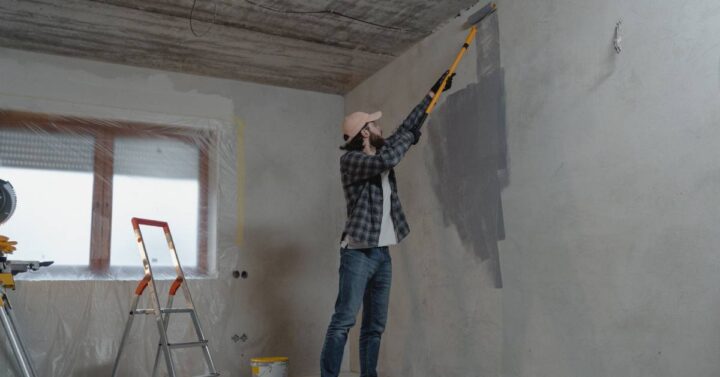
Roller painting is often the better option for residential repaints and smaller projects.
It is commonly used for:
- Interior repainting in occupied homes
- Bedrooms and living rooms
- Renovations where furniture remains on site
- Areas requiring controlled application
Rollers allow painters to work neatly in tight spaces while reducing the risk of overspray reaching nearby surfaces.
This is why many professionals still rely on rollers for most interior wall painting, even when spray equipment is available.
Do Professional Painters Spray Or Roll?
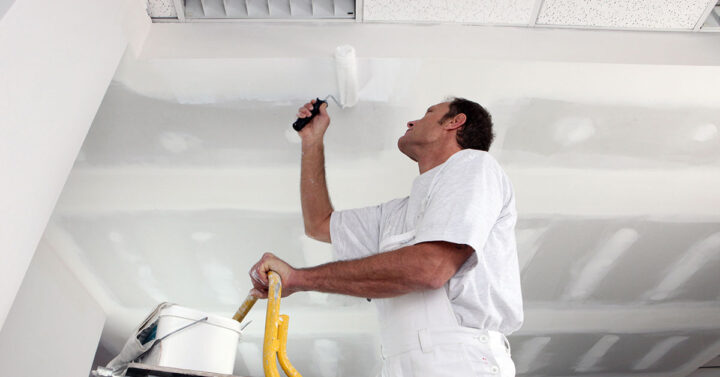
Professional painters rarely rely on just one technique. Instead, they select the method that delivers the best result for each part of the job.
A typical workflow may involve:
- Spraying large surfaces for speed
- Back-rolling to ensure consistent coverage
- Brushing edges and detailed areas
This combination balances efficiency, finish quality, and control.
Experience plays a major role in choosing the right approach for each surface.
Should You Spray Or Roll Paint For Your Project?
The best method depends on the type of surface and the environment you are working in.
Spraying is often best for:
- Large surfaces
- New builds
- Cabinets and detailed joinery
- Exterior walls
Rolling is usually better for:
- Interior repaints
- Smaller rooms
- DIY painting projects
- Furnished homes
Regardless of the method, surface preparation, paint quality, and correct technique have the greatest impact on the final result.
FAQ: Spray Vs Roll Painting
Homeowners often have practical questions when deciding between spray and roller painting. The answers below address some of the most common concerns about finish quality, cost, and when each method works best.
Is Spray Painting Better Than Rolling?
Neither method is universally better. Spray painting produces a smoother finish and works well on large surfaces, while rolling provides better control and is often preferred for interior walls.
Does Spraying Use More Paint?
Spraying can use slightly more paint due to overspray. Skilled painters minimise this through proper equipment setup and application technique.
Is Spray Painting Cheaper?
Not necessarily. While spraying can be faster, the additional preparation and specialised equipment can increase costs for smaller jobs.
Can You Spray Paint Interior Walls?
Yes, although it is usually most practical in empty spaces or new builds where masking surrounding surfaces is easier.
Why Do Painters Roll After Spraying?
Painters often back-roll after spraying to spread the paint evenly, improve adhesion, and ensure consistent coverage.
Is Spray Painting Messy?
Spraying can create overspray if not properly controlled. Professional painters use masking, drop sheets, and careful technique to keep surrounding areas protected.
Choosing The Right Painting Method
Both spray painting and roller painting can produce excellent results when used correctly. The best approach depends on the size of the project, the surface being painted, and the preparation required.
In many cases, experienced painters combine both techniques to achieve the best balance of speed, durability, and finish quality.
If you are unsure which method suits your home or renovation, speaking with experienced painters can help you avoid unnecessary costs and achieve a clean, professional finish that lasts for years.