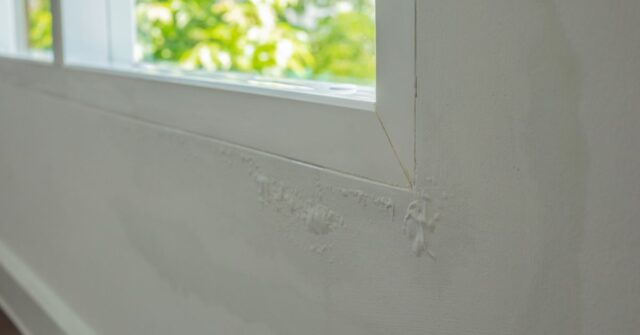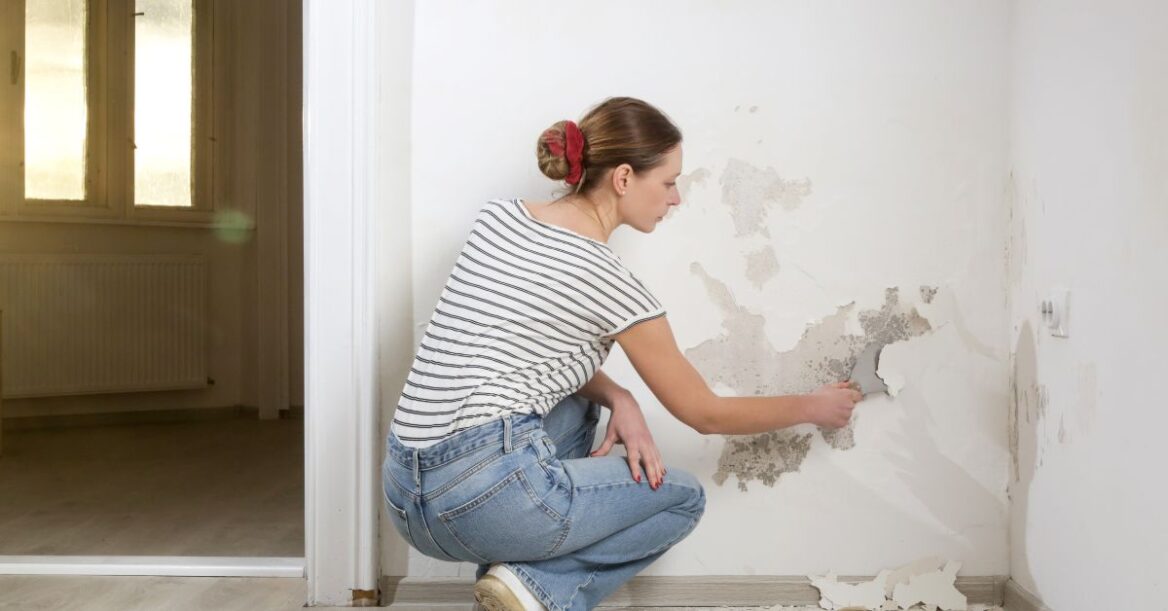
Most Sydney homeowners expect paint to fade with age. What often goes unnoticed is how quickly small defects can develop into larger maintenance issues when left unaddressed.
Peeling paint, fading colour, cracking surfaces, and moisture-related damage are among the most common Sydney home painting problems. While some issues are primarily cosmetic, others can indicate that painted surfaces are no longer providing the protection they were designed for.
Recognising the early warning signs can help homeowners plan maintenance more effectively and avoid unnecessary damage to underlying surfaces.
Why Sydney Homes Experience Unique Painting Challenges
Sydney’s climate is demanding on painted surfaces.
Strong UV exposure, seasonal rainfall, humidity fluctuations, and extended periods of heat all contribute to coating deterioration over time. Many Sydney homes also feature weatherboards, timber trims, render, masonry, and older surfaces that have been repainted multiple times.
Common contributors to paint damage include:
- Prolonged UV exposure
- Moisture penetration
- Temperature-related surface movement
- Ageing paint systems
- Deferred maintenance
- Previous coating failures
- Deterioration of underlying surfaces
Paint problems are rarely caused by a single factor. More often, they result from a combination of environmental exposure, surface condition, and the age of the existing coating.
Peeling And Flaking Paint
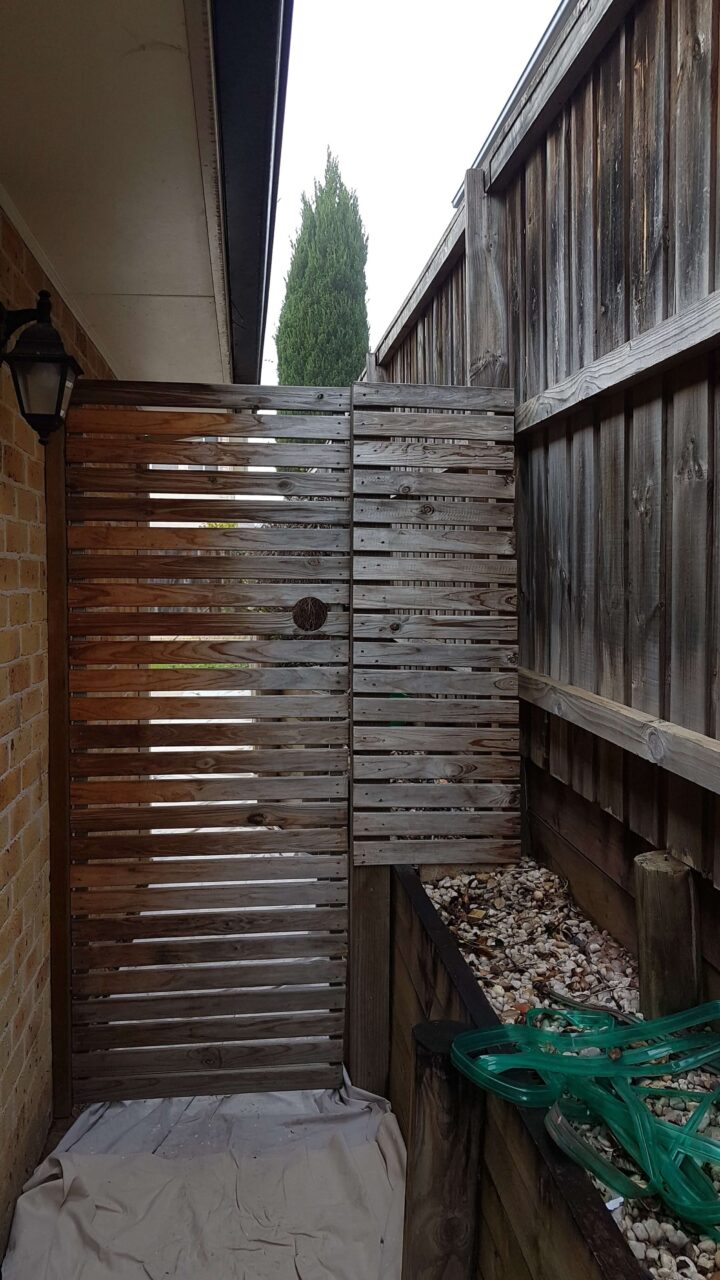
Peeling and flaking paint are among the most obvious repaint issues Sydney homeowners encounter.
Peeling occurs when paint loses adhesion to the surface beneath it. Flaking follows as sections of loosened paint detach completely.
These issues commonly appear on:
- Weatherboards
- Fascias and eaves
- Window frames
- Doors
- Pergolas and outdoor structures
- Exposed exterior elevations
In many cases, peeling develops because ageing coatings can no longer withstand ongoing weather exposure or moisture intrusion.
Beyond affecting appearance, peeling paint can expose underlying materials to further deterioration.
Bubbling And Blistering Paint
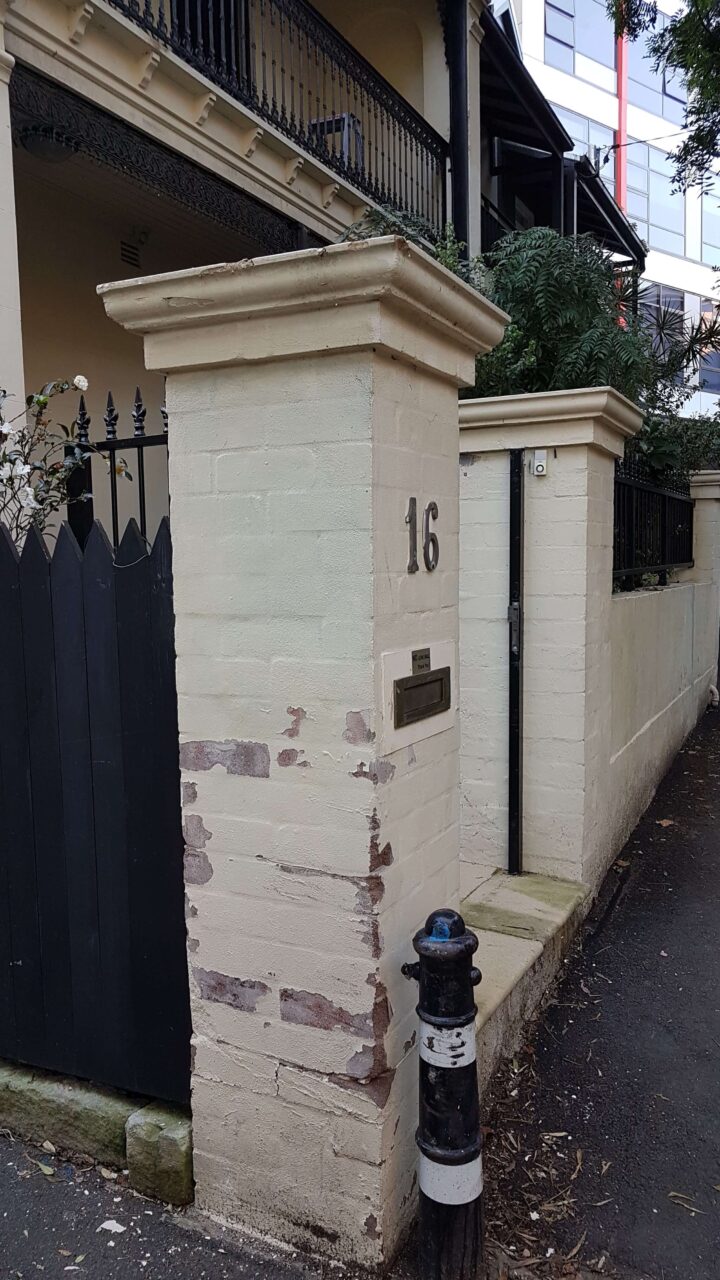
Bubbling and blistering occur when pockets form beneath the paint film, creating raised or swollen areas.
Homeowners commonly notice these defects on:
- Exterior walls
- Window and door trims
- Ceilings
- Bathrooms and wet areas
- Previously repaired surfaces
Typical causes include:
- Trapped moisture
- Water ingress
- Excessive heat exposure
- Adhesion failure between paint layers
Bubbling is often a symptom rather than the root problem. Moisture movement or deterioration beneath the coating may already be occurring before the defect becomes visible.
Fading, Chalking, and Loss Of Colour
Fading is one of the most common forms of paint deterioration across Sydney homes.
Long-term UV exposure gradually breaks down paint pigments and binders, causing colours to lose vibrancy and finishes to appear dull.
Common signs include:
- Uneven fading
- Dull finishes
- Loss of colour depth
- White powder residue on painted surfaces
- Increased weathering on sun-facing elevations
This powdery residue is known as chalking. It develops as paint binders break down and release fine particles from the surface.
While fading often develops gradually, excessive fading and chalking can indicate that a coating is approaching the end of its effective lifespan.
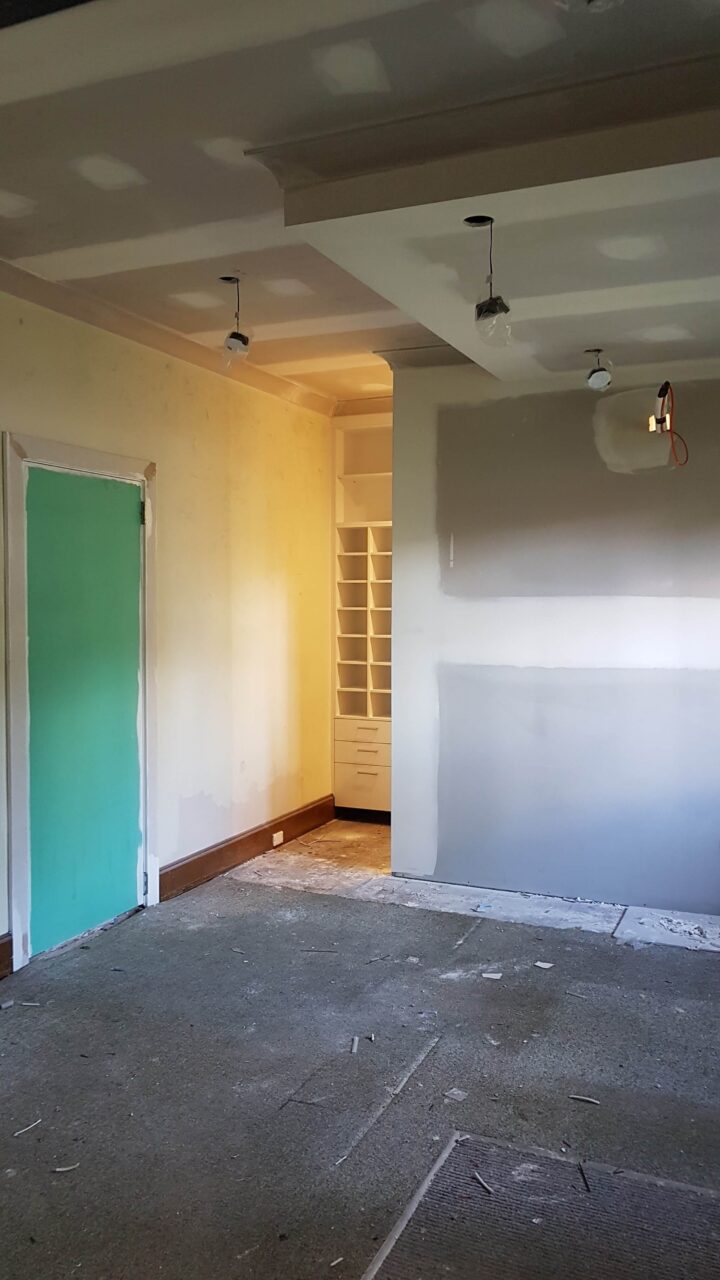
Cracking And Splitting Paint Surfaces
As paint ages, it becomes less flexible and more susceptible to cracking.
Hairline cracks often appear first before expanding into larger splits across the surface.
Contributing factors include:
- Long-term weather exposure
- Ageing paint systems
- Expansion and contraction of building materials
- Multiple ageing coating layers
- Natural surface movement
Cracks can allow moisture to reach the substrate beneath the paint, increasing the risk of further deterioration over time.
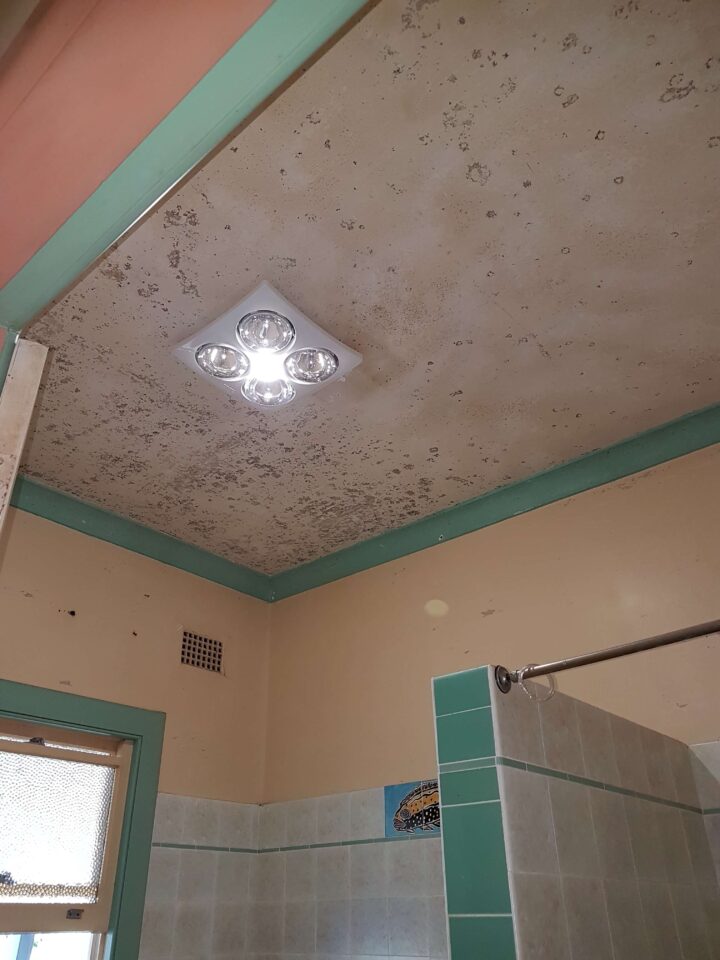
Water Damage, Mould, and Moisture-Related Paint Problems
Moisture is one of the most common causes of persistent paint damage.
Unlike fading or general weathering, moisture-related problems often continue to worsen until the source is addressed.
Warning signs include:
- Water stains
- Bubbling paint
- Peeling paint
- Damp patches
- Surface discolouration
- Mould growth
- Mildew staining
Inside the home, these issues are commonly found in bathrooms, laundries, kitchens, and ceiling areas.
Externally, they may be linked to:
- Roof leaks
- Damaged gutters
- Failed sealants
- Poor drainage
- Water penetration around openings
The visible paint defect is often only part of the problem. Ongoing moisture exposure can continue affecting surfaces long after cosmetic repairs are completed.
Timber Deterioration And Exterior Surface Damage
Paint performance depends heavily on the condition of the surface beneath it.
Many Sydney homes contain timber elements that face constant exposure to sunlight, rainfall, and changing temperatures. As timber deteriorates, paint failures often become one of the first visible warning signs.
Common indicators include:
- Weathered timber
- Surface splitting
- Soft or damaged sections
- Exposed bare timber
- Repeated paint failure in the same location
This is particularly common around windows, doors, fascia boards, balustrades, and other exposed exterior timber features.
When Minor Paint Problems Become Repainting Problems
Not every paint defect requires immediate repainting.
However, isolated issues can eventually indicate broader coating deterioration.
Common signs include:
- Multiple paint problems are appearing together
- Widespread fading
- Recurring peeling
- Increasing maintenance requirements
- Reduced weather protection
- Declining property presentation
When these issues become widespread, it is often more useful to assess the overall condition of the paint system rather than individual defects.
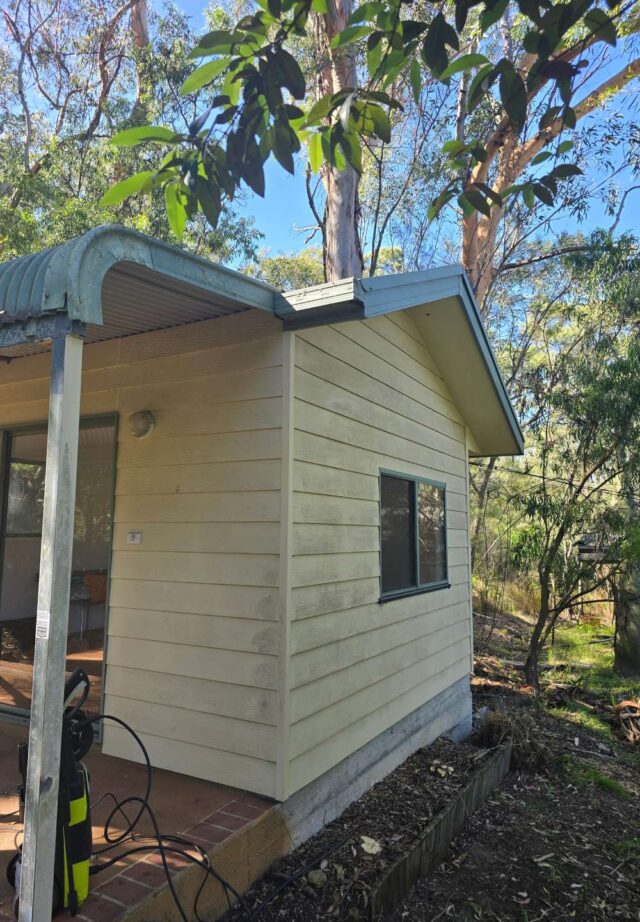
Common Causes Behind Repeated Paint Problems
Recurring paint problems usually point to an underlying cause rather than a single isolated issue.
Common contributors include:
- Ageing paint systems
- Ongoing moisture exposure
- Environmental wear
- Surface movement
- Poor previous workmanship
- Delayed maintenance
- Inadequate surface preparation
Surface preparation plays an important role in long-term coating performance. Likewise, paint durability is influenced by the suitability of the coating, the condition of the substrate, and the environment it is exposed to.
Understanding these factors helps explain why some paint systems perform well for years while others deteriorate prematurely.
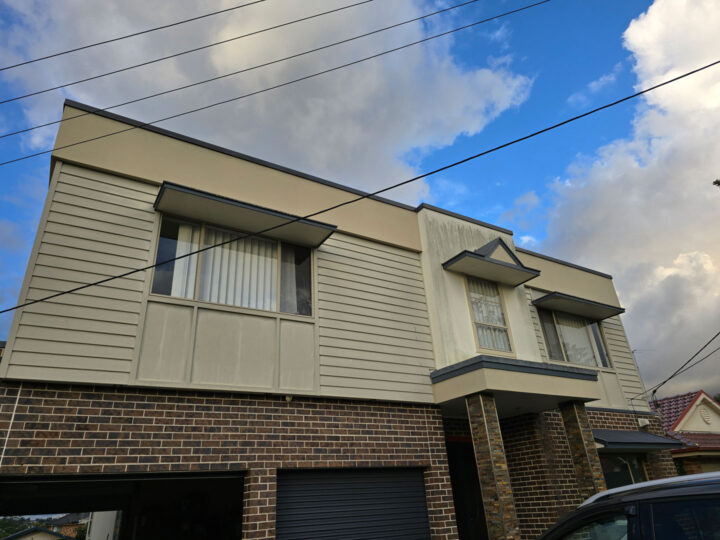
Frequently Asked Questions
Many homeowners have similar questions when they start noticing paint deterioration around their property. The answers below address some of the most common concerns about paint damage, maintenance, and repainting for Sydney homes.
What Causes Paint To Peel On Sydney Homes?
Peeling paint is commonly caused by moisture exposure, ageing coatings, environmental wear, or adhesion failure between paint layers.
Is Fading Paint A Sign My House Needs Repainting?
Not necessarily. However, significant fading and chalking can indicate that a paint system is approaching the end of its useful lifespan.
Can Moisture Damage Affect Interior Paint?
Yes. Bathrooms, laundries, kitchens, and ceilings are common areas where moisture-related paint problems develop.
How Do I Know If Paint Problems Are Cosmetic Or Serious?
Minor isolated defects are often cosmetic. Widespread peeling, moisture damage, cracking, or exposed building materials may indicate more significant maintenance concerns.
Are Painting Problems More Common in Older Sydney Homes?
Older homes often contain ageing coatings and substrates that have experienced decades of environmental exposure, making paint deterioration more likely.
Address Paint Problems Before They Escalate
Most paint damage develops gradually. Identifying problems early helps maintain surface protection, preserve presentation, and reduce the risk of more extensive deterioration.
If your home is showing signs of widespread peeling, fading, cracking, or moisture-related paint damage, a professional assessment can help determine the overall condition of the existing paint system and whether further maintenance or repainting should be considered.