Moving out of a rental can feel like a race against the clock. Between packing, cleaning, and organising your handover, it’s easy to start second-guessing every mark on the wall.
The short answer is this. Tenants don’t usually need to repaint before moving out unless there’s damage beyond fair wear and tear. What matters most is how the walls compare to when you moved in, and whether any issues go beyond normal use.
Here’s how to work out what’s actually expected and what you can safely leave.
What Counts As “Fair Wear And Tear” In Australia?
Fair wear and tear is the natural, gradual deterioration that happens when a property is lived in over time.
It’s not damaged. It’s what you’d reasonably expect from everyday use.
A simple way to think about it:
- Fair wear and tear happens slowly and naturally
- Damage is usually preventable or caused by a specific incident
For example:
- Light scuff marks in hallways from regular foot traffic
- Slight fading near windows from sunlight
- Minor marks from furniture resting against the walls
These are generally acceptable, especially if you’ve lived in the property for several years.
By contrast:
- Grease stains in kitchens
- Large marks or dents
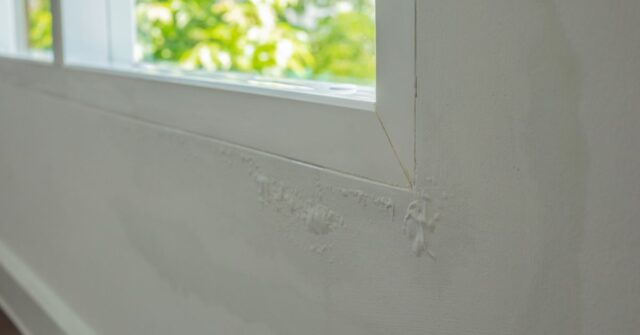
- Holes from wall mounts or fixtures
These are typically considered damaged and may need repair or repainting.
The longer your tenancy, the more allowance there is for wear. Fresh paint won’t stay perfect forever, and that’s understood during inspections.
When Do Tenants Need To Repaint Before Moving Out?
Repainting is usually required when wall damage affects the property’s overall appearance.
Situations Where Repainting Is Usually Required
You may need to repaint if there are:
- Stains that can’t be cleaned, such as smoke, grease build-up, or water marks
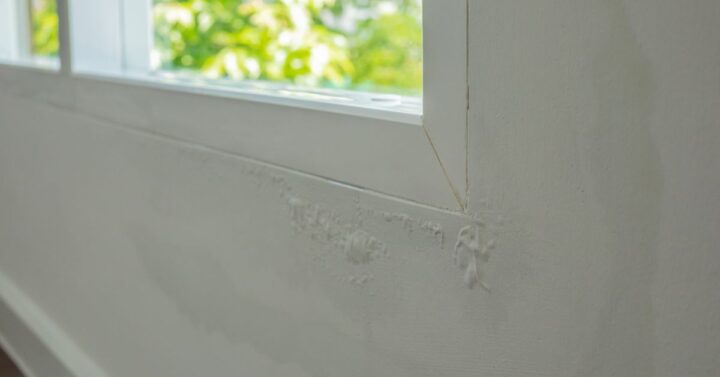
- Holes, dents, or patched areas that remain visible
- Mismatched touch-ups where the colour or finish doesn’t blend
- Unauthorised paint colours that weren’t approved
- Lingering odours that require sealing and repainting
In most cases, the goal isn’t just to cover the issue. It’s to restore a consistent, uniform finish.
For example, if you’ve patched holes from wall mounts, filling them alone may not be enough. If those spots stand out, repainting the entire wall is often expected.
When Repainting Is Not Usually Required
Not every mark means repainting is necessary.
You can usually avoid repainting for:
- Light scuffs or surface marks
- Fading or slight discolouration
- General ageing of painted surfaces
In these situations, a thorough cleaning is often enough.
It’s also important to remember that landlords can’t expect a brand-new finish after normal use. Reasonable wear is part of renting.

Cleaning Vs Repainting. What’s Actually Expected?
This is where many tenants get unsure.
As a guide:
- Cleaning is always expected
- Repainting is only needed if cleaning doesn’t fix the issue
Start by cleaning the walls properly. Many marks lift with the right approach.
For example:
- Scuffs from shoes or furniture often come off
- Surface dirt and light marks usually don’t require repainting
If the problem is deeper, such as:
- Stains that have soaked into the paint
- Discolouration that won’t lift
- Visible patchwork or repairs
Then, repainting becomes the safer option.
Testing a small area first can help you decide without committing to a full repaint.
How Bond Inspections Affect Painting Requirements
Your final inspection is where these decisions matter most.
Property managers typically compare:
- The entry condition report
- The current state of the property
Photos taken at the start of your tenancy are often used as a reference.
They’re not looking for perfection. They’re looking for consistency and overall condition.
For example:
- Even minor wear across a wall may pass without issue
- A freshly patched or repainted section can stand out and draw attention
This is why partial fixes can sometimes create more problems than they solve.

NSW-Specific Considerations Tenants Should Know
In NSW, tenants are expected to return the property in the same condition as when they moved in, allowing for fair wear and tear.
That means:
- You’re responsible for damage, not natural ageing
- Landlords can’t demand upgrades or unnecessary repainting
- Repainting is only required if the condition justifies it
It’s also worth reviewing your lease agreement. Some include specific clauses about wall condition, especially if changes were made during the tenancy.
If you’re unsure, checking with your property manager early can prevent last-minute stress.
Should You Repaint Yourself Or Hire A Professional?
If repainting is needed, the next step is deciding how to handle it.
DIY Repainting
Doing it yourself may seem more affordable, but it comes with challenges:
- Matching the existing colour and finish can be difficult
- Uneven application can stand out under inspection
- It takes time, which is often limited during a move
A rushed job, especially close to handover, rarely delivers a consistent result.
Hiring Professional Painters
Professional painters are used to working within tight deadlines and inspection standards.
They can:
- Deliver a clean, even finish
- Match colours and finishes more accurately
- Complete the work quickly with minimal disruption
When time is tight, this can make the process far less stressful.
If you’re unsure what’s required, a quick professional assessment can help you avoid unnecessary work or risk.

Need Help With End-Of-Lease Painting?
If you’re working to a deadline or want peace of mind before your inspection, getting expert advice can make things easier.
A quick assessment helps confirm what actually needs attention, so you’re not overdoing it or leaving something that could affect your bond.
End-Of-Lease Painting Checklist
Before making a decision, run through a quick check:
- Inspect walls in natural daylight
- Look for stains, holes, peeling paint, or patchy areas
- Compare with your entry condition report
- Test cleaning a small section first
- Confirm expectations with your property manager
- Decide whether to clean, patch, or repaint
This process helps you stay efficient while covering what matters.
Common Mistakes Tenants Make With Painting
A few common mistakes can lead to issues during inspection:
- Leaving visible patch repairs unfinished
- Using the wrong paint type or finish
- Repainting only part of a wall instead of the whole surface
- Assuming minor damage won’t be noticed
- Leaving everything until the final days
Rushed work is one of the biggest problems. Small inconsistencies can become obvious when there’s no time left to fix them properly.

FAQs About End-Of-Lease Painting
If you’re still unsure where you stand, these common questions can help clear things up and give you a better idea of what’s expected before your final inspection.
Do I have to repaint if I have lived in the property for several years?
Not usually. Longer tenancies allow for more wear and tear. Repainting is only needed if there’s noticeable damage.
What counts as damage vs wear and tear on walls?
Wear and tear includes light scuffs and fading. Damage includes stains, holes, dents, or anything beyond normal use.
Can a landlord legally require repainting?
Only if the wall condition justifies it can they require repainting just to refresh the property.
Will I lose my bond for marks or stains?
It depends on severity. Minor marks are often acceptable, but visible damage may lead to deductions if not addressed.
Do I need to repaint if I changed the wall colour?
In most cases, yes. Walls are usually expected to be returned to their original colour unless otherwise agreed.
Is it worth hiring a professional before moving out?
If time is limited or the condition is borderline, professional painting can help meet inspection standards and reduce risk.
Final Thoughts
Repainting before moving out isn’t always required, but it can be necessary depending on the condition of your walls.
The key is understanding the difference between normal wear and damage, then dealing with any issues early rather than leaving them to the last minute.
If you’re unsure, getting clear advice can help you avoid unnecessary stress and make your final inspection much smoother.