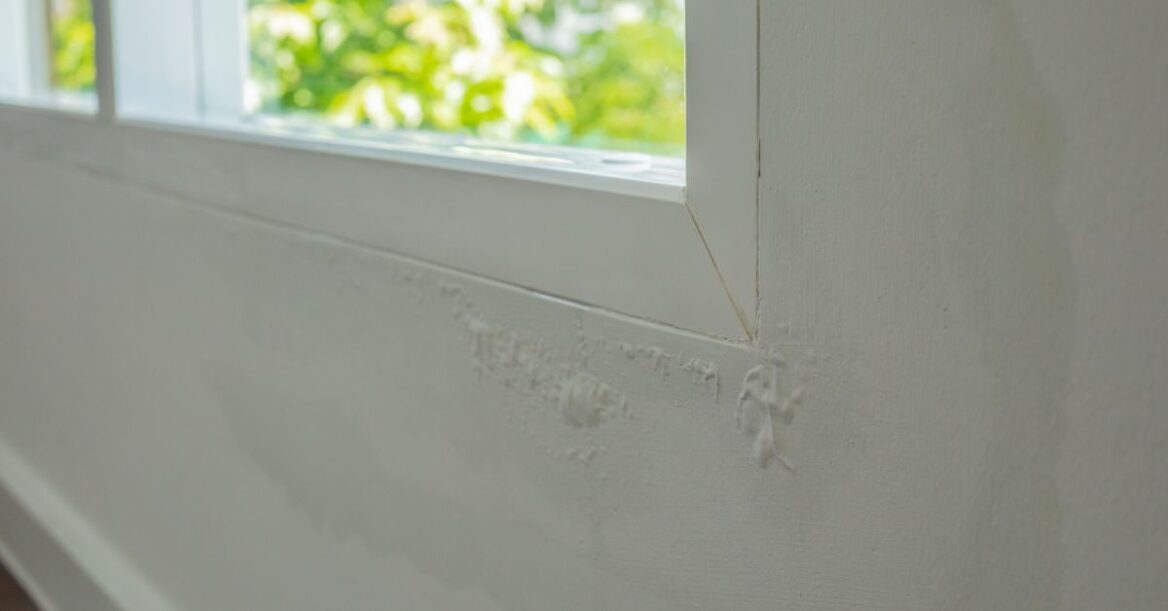
Moving out of a rental often feels straightforward until the small details start to stand out. Marks on the walls, worn carpet, or chipped paint can quickly raise questions. Will this affect your bond? Understanding the difference between normal wear and tear and actual damage can help you avoid surprises at your final inspection.
What Is Considered Normal Wear And Tear?
Normal wear and tear refers to the gradual, expected deterioration of a property over time. It happens through everyday living, even when you take reasonable care of the home.
Think of it as the natural ageing of a space. Surfaces won’t look exactly the same after years of use, and that’s generally accepted.
Common examples include:
- Light scuff marks on walls in high-traffic areas
- Faded paint from sunlight exposure
- Minor carpet flattening where furniture has been placed
- Slight discolouration in older finishes
Context matters. Property managers typically compare the condition at the end of your lease with the original condition report. If the change reflects normal use over time, it’s usually considered acceptable
What Is Considered Damage In A Rental Property?
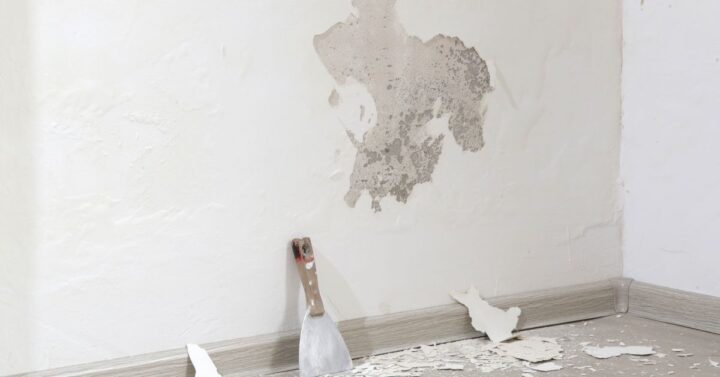
Damage is different. It usually results from specific incidents, neglect, or misuse, rather than gradual wear.
If something could have been avoided with reasonable care, it’s more likely to be classified as damage. These are also the issues that tend to require repair, replacement, or repainting before the property is returned.
Examples of damage include:
- Holes, dents, or cracks in walls
- Deep stains, burns, or watermarks
- Peeling or chipped paint caused by impact or poor treatment
- Adhesive damage from hooks or fixtures
- Unapproved paint colours or uneven repainting
These issues tend to stand out during a final inspection and may lead to bond deductions.
Normal Wear And Tear Vs Damage: Key Differences
The distinction becomes clearer when you compare them side by side.
Normal Wear And Tear:
- Caused by time and everyday use
- Minor, gradual changes
- No repair is usually required
- Typically, the landlord’s responsibility
- Unlikely to affect your bond
Damage:
- Caused by accidents, misuse, or neglect
- More noticeable and localised
- Requires repair or repainting
- Usually, the tenant’s responsibility
- May result in bond deductions
A simple way to assess it is this. Did it happen slowly over time, or was it caused by a specific event?

Common Rental Examples (What Gets Flagged At Inspection)
Final inspections are where the difference becomes obvious. Property managers usually focus on visible, high-impact areas first.
Walls And Paint Condition
Walls are one of the most commonly flagged areas.
Likely to pass:
- Light scuff marks that can be cleaned
- Slight fading or ageing of paint
Likely to be flagged:
- Nail holes or multiple wall anchors
- Chips, dents, or scratches
- Stains that cannot be removed
- Patchy touch-ups that don’t match the original colour
Even when repairs have been attempted, mismatched paint often stands out straight away.
Floors And Carpets
Flooring is another key focus area.
Normal wear:
- General wear patterns in walkways
- Slight flattening of carpet fibres
Damage:
- Burns, tears, or deep stains
- Pet-related scratches or lingering odours
Fixtures And Surfaces
Small details still matter during inspections.
Acceptable:
- Slight loosening from regular use
Damage:
- Broken handles or fittings
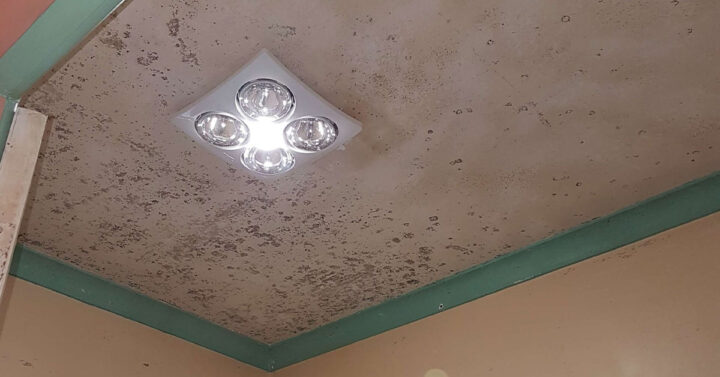
- Mould caused by a lack of ventilation or maintenance
- Damaged sealant in bathrooms or kitchens
A helpful rule of thumb is this. If something stands out during a quick walk-through, it will likely be flagged.
Do Tenants Have To Pay For Repainting?
This is one of the most common concerns at the end of a lease.
Tenants are generally not responsible for repainting due to normal wear and tear. Paint fades and ages over time, and that’s considered part of routine property maintenance.
Repainting may be required if:
- There are visible marks, stains, or damage beyond normal use
- Walls have been patched or repainted poorly
- The finish looks uneven or inconsistent
In some situations, only partial repainting is needed. In others, especially where colour matching is difficult, a full repaint may be required to achieve a consistent result.
Presentation plays a big role. If the walls look noticeably different from their original condition, it may affect your bond outcome.
How Long Should Paint Last In A Rental Property?
Paint doesn’t last indefinitely, especially in rental properties.
As a general guide:
- High-traffic areas may show wear within 3 to 5 years
- Lower-use spaces tend to last longer
Several factors influence how quickly paint deteriorates:
- Exposure to sunlight
- Daily wear and movement
- The quality of the original preparation and materials
A professionally applied finish usually lasts longer. Poor preparation or low-quality paint often leads to faster wear, which can become an issue at the end of a lease.
What To Do Before Moving Out (Practical Checklist)
A bit of preparation can make the final inspection much smoother.
Step 1: Review Your Condition Report
Compare the current state of the property with when you moved in. This gives you a clear baseline.
Step 2: Inspect Walls, Surfaces, And High-Traffic Areas
Check areas that are easy to miss, such as behind doors, along hallways, and under furniture.
Step 3: Clean Or Repair Minor Issues
Many light marks can be removed with basic cleaning. Small fixes can improve how the property presents overall.
Step 4: Decide If Repainting Is Needed
Use this simple framework:
- Leave it if it matches the original condition
- Clean it if the issue is surface-level
- Repair it if the damage is minor and localised
- Repaint it if the issue is visible, uneven, or widespread
If something catches your attention immediately, it’s worth addressing before the inspection.

When It’s Worth Calling A Professional Painter
In some situations, bringing in a professional can save time and reduce risk.
It’s worth considering if:
- Multiple walls have visible marks or inconsistencies
- Previous touch-ups don’t match the original paint
- You’re short on time before the inspection
- You want to avoid the risk of rework
A professional painter can:
- Match existing colours more accurately
- Deliver a clean, consistent finish
- Complete the work efficiently with minimal disruption
For many tenants, it’s about removing uncertainty and ensuring the property meets expectations.
Not Sure If Your Walls Will Pass Inspection?
If you’re unsure whether something will be flagged, a quick second opinion can help you avoid last-minute stress.
Getting clear advice on what needs attention and what can be left as is can make the move-out process far more straightforward and help protect your bond.

FAQs
Understanding how these rules apply in real situations can make a big difference. Below are clear answers to some of the most common questions tenants ask when preparing for a final inspection.
What Is Normal Wear And Tear In A Rental In Australia?
It refers to the natural decline of a property over time due to everyday use. This includes minor scuffs, fading, and general ageing without negligence.
Can A Landlord Charge For Repainting Walls?
Yes, but typically only if repainting is required due to damage beyond normal wear and tear. Standard ageing is usually not the tenant’s responsibility.
Are Small Holes Or Wall Marks Considered Damage?
Small holes from nails or fixtures are often considered damage, especially if they are noticeable or excessive. Light scuff marks are usually acceptable if they can be cleaned.
Do I Need To Repaint Before Moving Out?
Not always. Repainting is only necessary if the walls show damage, uneven finishes, or visible marks beyond normal wear.
How Do Property Managers Assess Wall Condition?
They compare the current condition to the original condition report and look for visible differences. Anything that stands out is more likely to be flagged.
Can My Bond Be Reduced For Minor Paint Issues?
It depends on the severity. Minor wear is generally acceptable, but visible damage or poor repairs can lead to deductions.
Conclusion
Understanding the difference between normal wear and tear and damage puts you in a stronger position at the end of your lease. It helps you focus on what actually needs attention and avoid unnecessary stress during inspections.
If you’re unsure, it’s always better to act early. A small amount of preparation can go a long way in protecting your bond and ensuring a smooth move-out process.