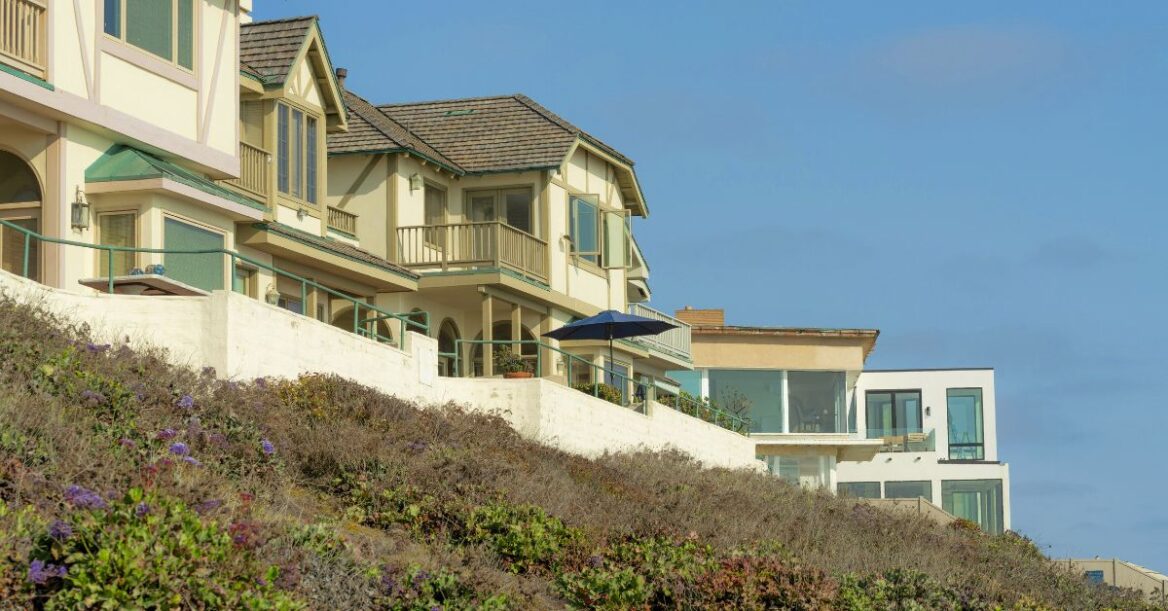
For homeowners in Sydney’s coastal suburbs, exterior paint does more than improve appearance. It helps protect surfaces from ongoing exposure to weather, moisture, and environmental contaminants.
One of the most overlooked threats is airborne salt. Coastal salt damage causes exterior paint problems that often develop gradually, making them difficult to spot until deterioration becomes more widespread.
Whether a property sits on the waterfront or several kilometres inland, salt exposure can affect coating durability and maintenance requirements. Understanding the warning signs and contributing factors can help homeowners identify issues early and protect their property’s long-term condition.
What Is Coastal Salt Damage?
Coastal salt damage occurs when microscopic salt particles carried by ocean winds settle on exterior surfaces.
Commonly affected areas include:
- Painted walls
- Exterior timberwork
- Eaves and fascia boards
- Fencing and gates
- Balustrades and railings
- Gutters and metal components
Unlike ordinary dust, salt deposits can remain on surfaces for extended periods. As they interact with moisture and changing weather conditions, they place additional stress on exterior coatings.
Homes closest to the coast typically experience the greatest exposure, but salt-laden air can affect properties well beyond beachfront locations.
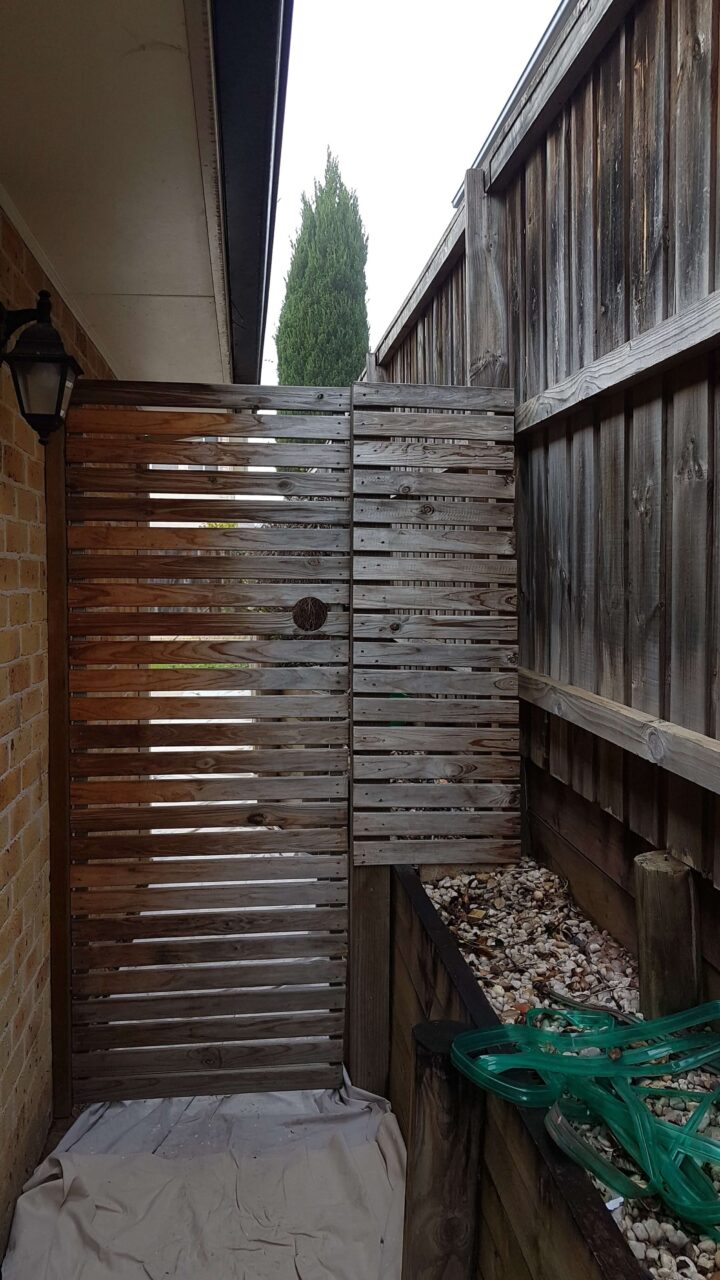
How Salt Exposure Damages Exterior Paint
Salt damage paint issues are rarely caused by salt alone. The problem comes from the interaction between salt, moisture, sunlight, wind, and temperature changes.
Salt attracts and retains moisture on exterior surfaces. This can increase the time coatings remain exposed to damp conditions, particularly during humid periods or after coastal weather events.
Over time, this contributes to:
- Accelerated weathering
- Premature fading
- Chalking
- Reduced coating performance
- Earlier paint failure in exposed areas
Sydney’s coastal environment can be especially demanding because strong UV exposure often occurs alongside salt-laden air. Together, these conditions can shorten maintenance cycles compared with similar homes further inland.
Common Signs Of Salt-Related Paint Failure
Salt-related paint deterioration often begins subtly before becoming more obvious.
Fading And Uneven Colour Loss
Highly exposed elevations may lose colour consistency sooner than expected, particularly ocean-facing walls.
Chalking
A powdery residue on the paint surface is a common sign of coating breakdown caused by ongoing weather exposure.
Peeling, Flaking, Or Cracking
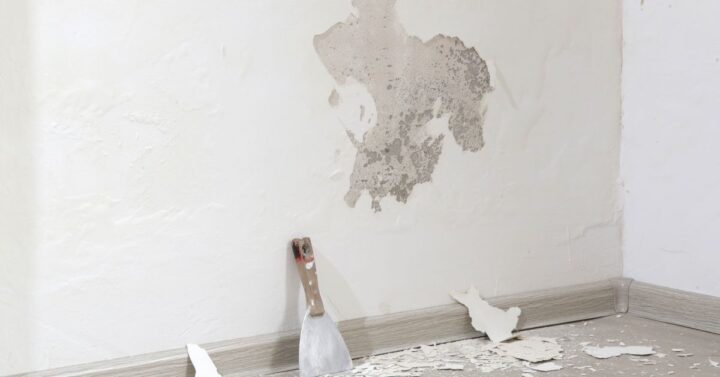
As coatings deteriorate, paint may lose adhesion and begin lifting from the surface.
Staining And Surface Discolouration
Salt deposits and moisture exposure can contribute to patchy staining and an uneven appearance.
Corrosion Around Metal Fixtures
Rust staining around railings, gutters, fasteners, and other metal components may indicate that coastal exposure is affecting both the coating and the underlying material.
While these issues can have multiple causes, they are commonly seen on coastal properties exposed to salt-laden air.
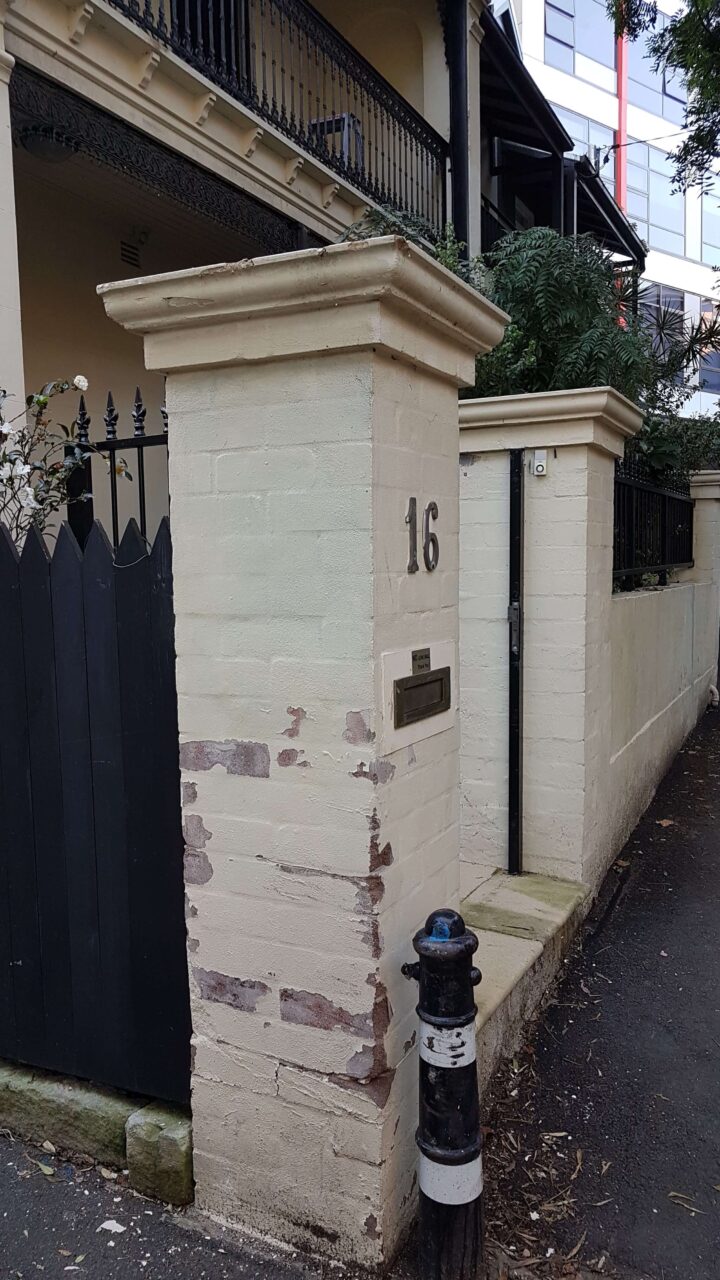
Which Parts Of A Coastal Property Are Most Vulnerable?
Salt exposure is rarely consistent across an entire property.
Ocean-Facing Elevations
Walls exposed to prevailing coastal winds often show signs of deterioration first.
Upper Storeys
Higher sections of a home typically receive greater wind exposure and airborne salt accumulation.
Trims, Fascias, And Decorative Features
Exposed edges, joins, and architectural details often weather faster than larger wall surfaces.
Balustrades, Railings, And Fencing
These elements receive direct exposure from multiple directions and often have limited protection.
Metal Components
Gutters, flashings, brackets, downpipes, and fixings are particularly vulnerable in coastal environments.
Understanding which areas face the greatest exposure helps prioritise inspections and maintenance.

What Happens If Coastal Paint Damage Is Ignored?
Exterior paint provides an important protective barrier. As coatings deteriorate, the surfaces beneath become more vulnerable to environmental exposure.
If deterioration is left unchecked, homeowners may face:
- Expanding paint failure
- Increased maintenance requirements
- Greater surface deterioration
- More extensive preparation before repainting
- Reduced property presentation
- Higher long-term maintenance costs
Addressing early signs of deterioration is often far simpler than dealing with widespread coating failure.
Reducing The Impact Of Coastal Salt Exposure
While coastal conditions cannot be eliminated, regular maintenance can reduce their impact.
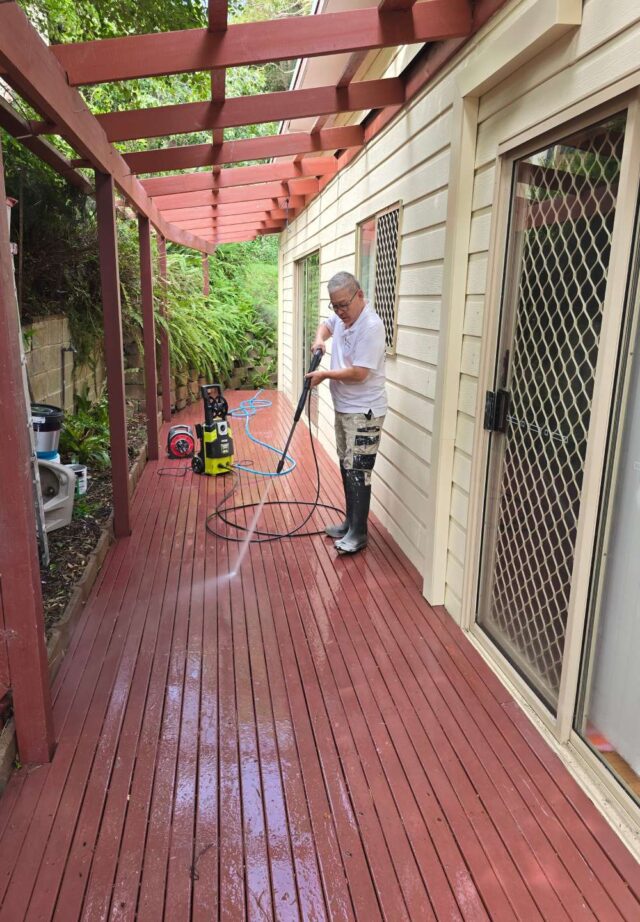
Wash Exterior Surfaces Periodically
Removing accumulated salt deposits helps reduce long-term exposure and surface contamination.
Inspect High-Exposure Areas Regularly
Routine inspections can identify deterioration before it spreads.
Pay particular attention to:
- Ocean-facing walls
- Upper-storey elevations
- Trims and fascias
- Metal fixtures and fittings
- Previously repaired areas
Address Small Problems Early
Localised peeling, weathering, or coating failure can become more extensive if ignored.
Maintain A Proactive Maintenance Schedule
Coastal properties often require a more proactive approach than homes in less demanding environments. Regular monitoring helps homeowners make informed maintenance decisions before significant deterioration occurs.
When Professional Assessment May Be Worth Considering
Not all weathering requires immediate repainting, but some situations benefit from professional assessment.
Consider seeking advice if you notice:
- Widespread peeling or flaking
- Recurring deterioration in the same areas
- Significant chalking across multiple elevations
- Corrosion is affecting the surrounding painted surfaces
- Unexpected coating failure despite relatively recent painting
An assessment can help determine whether the issue is environmental weathering, coating-system failure, or a broader surface-related concern.
Frequently Asked Questions
These are some of the most common questions homeowners ask about coastal salt exposure, exterior paint durability, and protecting painted surfaces in coastal environments.
Does Salt Air Damage Exterior Paint Faster?
Coastal environments often accelerate paint deterioration because coatings are exposed to salt, moisture, wind, and UV radiation simultaneously.
How Close To The Coast Does Salt Exposure Become A Problem?
Properties nearest the shoreline generally experience the highest exposure levels, but airborne salt can travel inland depending on local geography and weather patterns.
Can Salt Damage Affect Newer Paint Systems?
Yes. While performance varies between coating systems, all exterior paints remain exposed to the same environmental conditions.
Which Exterior Surfaces Usually Show Salt Damage First?
Ocean-facing walls, upper-storey elevations, trims, fencing, railings, and exposed metal components often show deterioration first.
Can Coastal Paint Damage Be Prevented Completely?
No. Coastal exposure is an ongoing environmental factor. However, regular maintenance and early intervention can significantly reduce the rate of deterioration.
Protecting Exterior Surfaces In Coastal Environments
Salt-laden air, moisture, wind exposure, and UV radiation all contribute to the gradual breakdown of exterior coatings on coastal properties.
Understanding how these factors affect painted surfaces helps homeowners identify deterioration early, maintain vulnerable areas more effectively, and reduce the risk of larger maintenance issues developing over time.
Where weathering, coating failure, or recurring deterioration is already visible, professional advice can help determine the most appropriate next steps for protecting the property’s exterior surfaces.