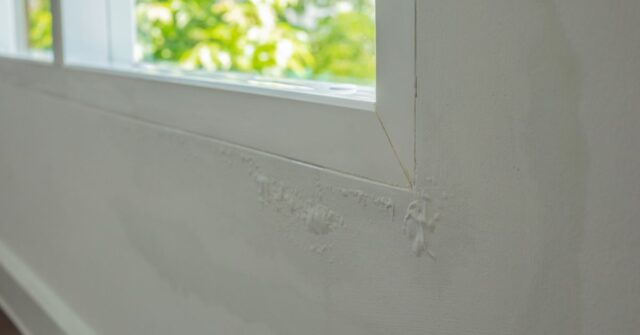
If you live in an apartment or strata complex, painting can get confusing fast. One minute you’re planning a simple repaint, the next someone says, “That might be common property.”
So who’s actually responsible?
The short answer is this. Most interior painting inside your apartment is the owner’s responsibility, while painting of shared areas and building exteriors is usually handled by the body corporate (owners’ corporation). But like most strata rules, the details depend on where the boundary sits.
Let’s break it down in plain English, so you know where you stand before picking up a paintbrush or calling a painter.
The Short Answer Most Owners Are Looking For
If you want the simple version, here’s how strata painting responsibilities are typically split.
The Owner Usually Handles:
- Interior walls and ceilings inside the apartment
- Internal doors and trims
- Touch-ups or repainting inside the lot
- Cosmetic updates that don’t affect the building’s external appearance
The Body Corporate (Owners Corporation) Usually Handles:
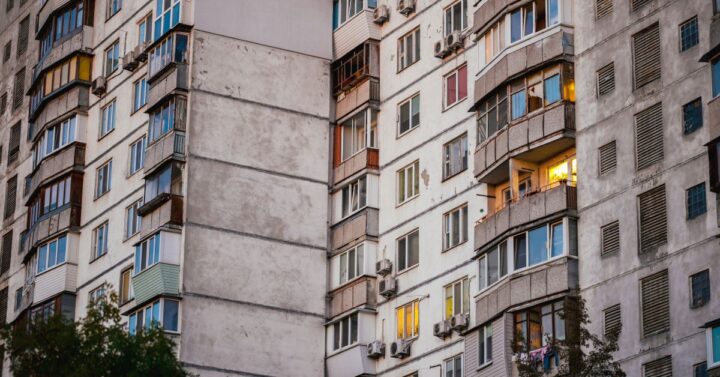
- Exterior building walls
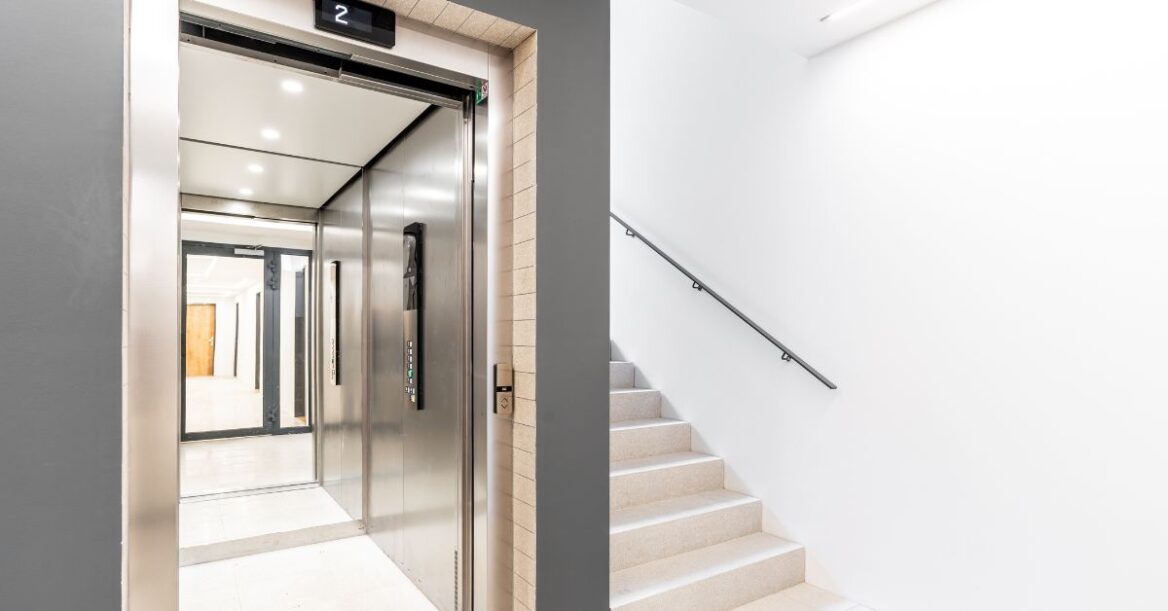
- Shared hallways and corridors
- Stairwells and foyers
- Entry lobbies and common areas
- External structures connected to the building
In other words, if it’s inside your unit, it’s usually your responsibility. If it’s shared or structural, it’s usually the strata committee’s job.
But. And this is where things get interesting. Strata properties have grey areas.
Balconies, front doors, and anything visible from outside the building can sit right on the boundary.
We’ll come back to those.
What “Common Property” Actually Means
Before you can figure out who’s responsible for painting something, you need to understand one phrase that comes up constantly in strata rules.
Common property.
This simply means parts of the building that belong to everyone in the scheme rather than an individual owner.
Think of it like the shared spaces in a house where multiple families live.
Common property typically includes:
- Hallways and corridors
- Staircases and lift areas
- Building exteriors
- Shared gardens and pathways
- Structural walls and roofs
The owners’ corporation is responsible for maintaining these areas, which means organising and paying for repainting when it’s needed.
Funding usually comes from strata levies or the building’s capital works fund.
So if the hallway paint is scuffed after years of foot traffic, that’s not on you as an individual owner. It’s a building-level decision.
Owner Responsibilities: What You Can Usually Paint Without Issues
Inside your apartment, you generally have much more freedom.
Most strata schemes consider internal surfaces to be the owner’s responsibility.
Inside Your Lot: Walls, Ceilings, Trim, And Doors
As a rule, you can usually repaint:
- Internal walls
- Ceilings
- Skirting boards and trims
- Internal doors
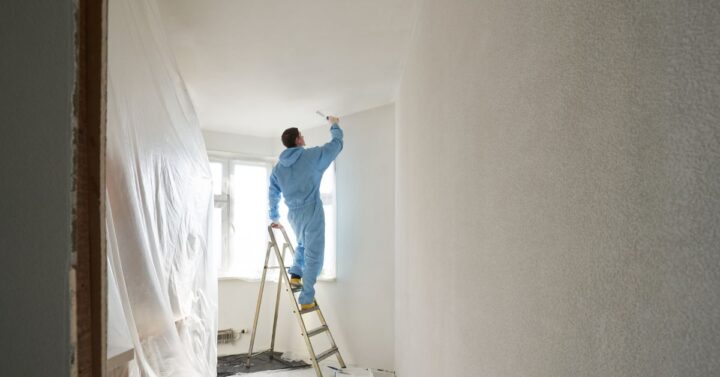
This is the sort of painting homeowners do when refreshing a space, preparing a property for sale, or repairing scuffs and marks after tenants move out.
And honestly, this is where most painting jobs happen.
We’ve worked with plenty of Sydney apartment owners who repaint before listing their property. Neutral walls, fresh trim, clean ceilings. Small upgrade, big difference in how the place shows.
But even here, it’s worth remembering one thing.
Your strata by-laws still apply.
Some buildings have rules around:
- Paint colours that affect external appearance
- Noise restrictions during work hours
- Protecting common areas during renovations
So while interior repainting usually doesn’t need approval, it’s still smart to check your strata rules first.
It saves awkward conversations later.
Body Corporate Responsibilities: Shared Areas And Building Exteriors
Anything shared across the building usually falls under the responsibility of the body corporate.
That includes most painting you see when walking through the complex.
Common Areas That Typically Fall Under The Owners Corporation
Typical strata-managed painting projects include:
- Hallways and corridors
- Lift areas and stairwells
- Lobby walls and ceilings
- Exterior building facades
- Entry doors and shared access areas
These projects are normally planned as part of long-term building maintenance.
Many strata committees schedule repainting every several years to keep the building looking fresh and protect surfaces from weather damage.
And there’s a practical reason for this.
Consistent paintwork across a building protects property values. A well-maintained building looks cared for. Buyers notice that immediately.
When repainting common areas, strata committees usually go through a process that includes:
- Gathering quotes
- Reviewing insurance and compliance
- Planning access and disruption for residents
- Scheduling works across the building
Professional painters familiar with strata environments help keep this process smooth.
The Grey Areas Everyone Asks About
Now we get to the parts that cause the most confusion.
Some areas sit right on the boundary between private property and common property.
This is where people start asking questions.
Balconies, Balcony Ceilings, And Visible Surfaces
Balconies are one of the most common points of confusion in strata painting.
Why?
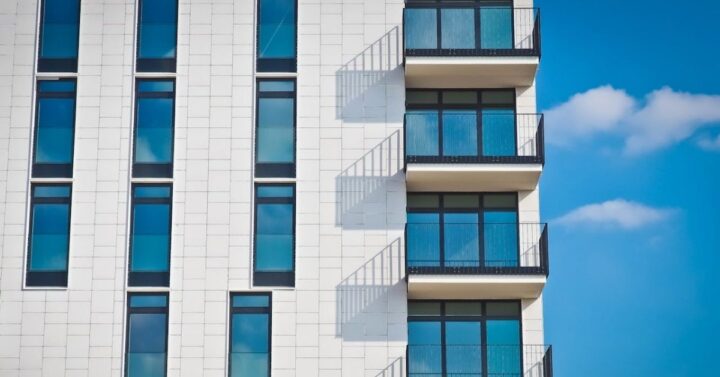
Because balconies are part of your unit, but they’re also visible from outside the building.
And appearance matters in strata complexes.
Many schemes require balconies to maintain a consistent look so the building façade stays uniform.
That means:
- Changing colours on balcony walls may require approval
- Painting external-facing surfaces could fall under strata rules
- Some balcony ceilings or structural elements are treated as common property
If you’re unsure, it’s always safest to check with the strata manager before painting a balcony surface.
It’s a five-minute email that can prevent a much bigger headache.
Doors, Windows, And Boundary Walls
Another tricky area is anything that sits on the boundary of your apartment.
That includes:
- Front entry doors
- Window frames
- External-facing surfaces
- Boundary walls between units
In many strata buildings, these elements are treated as part of the building’s external structure.
Which means they may fall under the responsibility of the owners’ corporation.
Even when the door technically belongs to your unit, changing its colour can affect the building’s uniform appearance, so approval is often required.
This is one of those areas where the strata plan and bylaws matter more than assumptions.
Do You Need Strata Approval Before Painting?
In many cases, no approval is required for basic interior painting.
But there are situations where you should pause before starting.
You may need approval if the work:
- Affects common property
- Changes the external appearance of the building
- Requires access through shared areas
- Involves structural surfaces
For example, repainting your bedroom walls probably won’t need approval.
Repainting your balcony exterior or front door? That’s a different story.
Strata committees often require written approval to ensure colours, finishes, and access arrangements stay consistent across the building.
And from their perspective, that’s fair. One random colour change can throw off the entire look of the building.
A Simple Way To Get Painting Approved Quickly
If your painting project might affect strata rules, the approval process doesn’t need to be complicated.
A simple approach usually works best.
Step 1: Check your strata by-laws or building rules.
Step 2: Confirm whether the surface is common property or inside your lot.
Step 3: Send a short written request to the strata manager.
Step 4: Include details like colour, location, and scope of work.
Step 5: Wait for confirmation before starting.
Most committees respond quickly when requests are clear and straightforward.
What slows things down are vague proposals.

What We Often See In Sydney Strata Buildings
After more than two decades in the painting industry, certain patterns come up again and again in strata buildings across Sydney.
One of the most common repaint triggers is wear and tear in shared corridors. Suitcases, moving trolleys, bikes. Over time, hallway walls take a beating.
Another big one is sun exposure on external walls and balconies. The Australian sun is brutal on paint. Buildings facing west often fade faster than people expect.
And then there’s the classic situation.
Someone tries to patch a small section of wall without matching the paint finish properly. Under certain lighting, that patch stands out like a spotlight.
Suddenly, a small job becomes a full repaint.
It’s a good reminder that in strata environments, consistency matters as much as the paint itself.
Conclusion: Know The Boundary Before The Paint Goes On
Strata painting responsibilities usually follow a simple rule.
Inside your apartment is typically the owner’s responsibility. Shared or structural areas usually fall to the body corporate.
The challenge is that balconies, doors, and external-facing surfaces can sit somewhere in between.
So when in doubt:
- Check your strata plan
- Review your building’s bylaws
- Confirm with the strata manager
A quick check upfront can save a lot of stress later.
And if you’re planning to paint in a strata building anywhere across Sydney, working with painters who understand strata processes makes the whole experience easier for everyone involved.
Planning Strata Painting In Sydney?
Whether you’re refreshing an apartment before sale or coordinating painting for a strata complex, the right preparation makes a huge difference.
At Advanced Painting, we’ve worked across Sydney homes, apartments, and strata buildings for years. Our team understands the practical side of strata projects. From protecting common areas to keeping disruption low for residents.
If you’d like a clear quote or advice before organising painting, reach out to our team, and we’ll point you in the right direction.

FAQs
Strata rules can feel confusing. Here are clear answers to the most common questions about painting responsibilities in apartment buildings.
Who Is Responsible For Painting Inside A Strata Apartment?
In most strata schemes, the apartment owner is responsible for painting internal walls, ceilings, trims, and doors inside their lot. This type of work is considered cosmetic maintenance and usually doesn’t involve common property.
Can I Paint My Balcony In A Strata Building?
Sometimes, but not always. Balconies can involve surfaces visible from outside the building, which may require approval from the body corporate. It’s best to confirm with the strata manager before painting balcony walls or ceilings.
Does Strata Pay For Painting Common Areas?
Yes. Shared spaces like hallways, stairwells, and building exteriors are typically maintained by the owners’ corporation. Painting costs are usually covered through strata levies or maintenance funds.
Do I Need Approval To Paint My Front Door?
In many strata buildings, yes. Front doors are often visible from common areas, so changing their colour may require approval to maintain a consistent building appearance.
What Happens If I Paint Something That Belongs To The Body Corporate?
If work is carried out on common property without approval, the strata committee may require the owner to restore it to the original condition. That’s why checking responsibilities before painting is always the safer option.
How Do I Find Out What Is Common Property In My Building?
The most reliable way is to review your strata plan and by-laws, or ask the strata manager directly. These documents define the boundaries between lot property and common property for your specific building.