Choosing the right living room paint colour can transform how a space looks and feels. Colour influences natural light, perceived room size, comfort, and how well a room adapts as furnishings and décor change over time.
Many homeowners start with paint swatches or current trends. In reality, the best living room paint colours are those that suit the room’s lighting, proportions, furnishings, and long-term use. A colour that looks appealing online or in a showroom can feel very different once applied across an entire living space.
This guide explores popular living room paint colours and the practical factors that help homeowners make confident colour choices.
Best Living Room Paint Colours For Different Home Styles
The most successful colour schemes complement the style of the home rather than compete with it. While personal preference matters, certain colour families consistently perform well in specific settings.
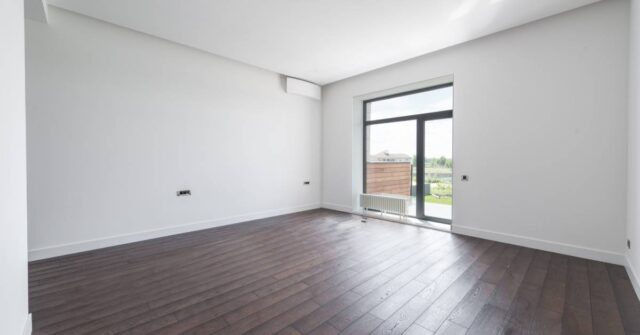
Neutral Living Room Colours
Neutral colours remain the most versatile choice for living rooms.
Popular options include:
- Warm whites
- Soft greys
- Greige tones
- Stone-inspired neutrals
- Light beige shades
These living room paint colours provide flexibility as furniture and décor evolve. They also maximise natural light and work equally well in traditional and contemporary interiors.
For many homeowners, neutral colours offer the best balance between style and longevity.
Contemporary Living Room Colours
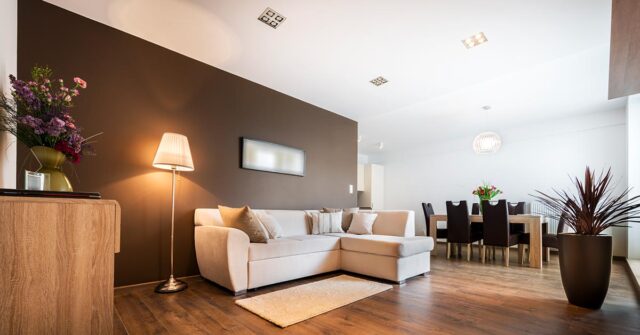
Modern interiors often benefit from colours that add subtle depth and character.
Popular contemporary options include:
- Muted sage greens
- Dusty blue-greys
- Warm charcoal tones
- Soft clay-inspired colours
- Earthy greens and taupes
These colours introduce personality while remaining practical and easy to live with.
Classic Living Room Colours
Some colour palettes remain appealing regardless of changing trends.
Examples include:
- Soft off-whites
- Warm greys
- Gentle stone colours
- Muted heritage neutrals
- Cream-based palettes
These colours suit a wide range of home styles and make future decorating updates easier.
Warm And Inviting Colour Schemes
Homeowners seeking a more relaxed atmosphere often gravitate toward warmer tones.
Examples include:
- Taupe
- Warm greige
- Soft sand colours
- Earth-inspired neutrals
- Subtle terracotta undertones
These shades can help larger living rooms feel more comfortable and welcoming.
How Natural Light Changes Living Room Paint Colours
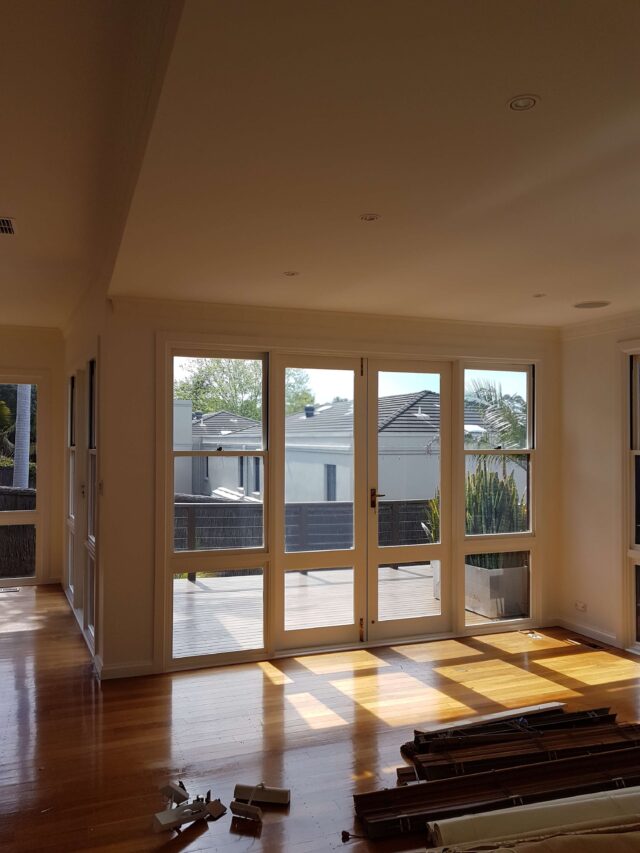
One of the most common reasons colour choices disappoint homeowners is that paint rarely looks the same in every environment.
Natural light changes throughout the day, affecting how colours appear on the wall.
North-Facing Living Rooms
North-facing rooms typically receive cooler light.
Warmer whites, cream-based neutrals, and greige tones often help create a more balanced appearance, while cool greys can sometimes feel harsher than expected.
South-Facing Living Rooms
South-facing living rooms receive consistent natural light and can comfortably accommodate:
- Crisp whites
- Soft greys
- Cooler neutrals
- Deeper colours
The abundance of light often helps colours retain their intended appearance.
East-Facing Living Rooms
East-facing rooms receive bright morning light and softer light later in the day.
Colours often appear warmer early in the day and more neutral as the light changes.
West-Facing Living Rooms
West-facing rooms receive stronger afternoon and evening sunlight.
This can intensify warm undertones, making colours appear richer later in the day.
Test Paint Samples Properly
Before making a final decision:
- Apply large samples directly to the wall
- Test multiple colours side by side
- View them throughout the day
- Assess them alongside flooring and furnishings
This simple step can prevent expensive repainting mistakes.
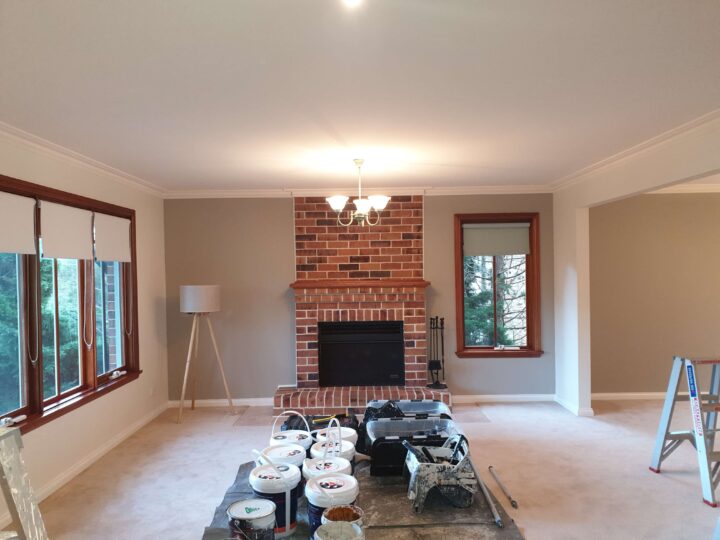
Choosing Colours Based On Living Room Size And Layout
Colour selection should consider both room size and how the space connects to the rest of the home.
Colours For Smaller Living Rooms
Lighter colours reflect more light and can create a greater sense of space.
Suitable options include:
- Soft white
- Pale greige
- Light grey
- Warm off-white
These colours help smaller rooms feel brighter and more open.
Colours For Larger Living Rooms
Larger living areas offer more flexibility.
Popular choices include:
- Mid-tone neutrals
- Earthy colours
- Muted greens
- Richer grey tones
These colours can create warmth and visual balance without making the room feel enclosed.
Open-Plan Living Areas
In open-plan homes, colours should work together across connected spaces.
A coordinated palette often creates a smoother transition between living, dining, and adjoining areas, resulting in a more cohesive overall appearance.
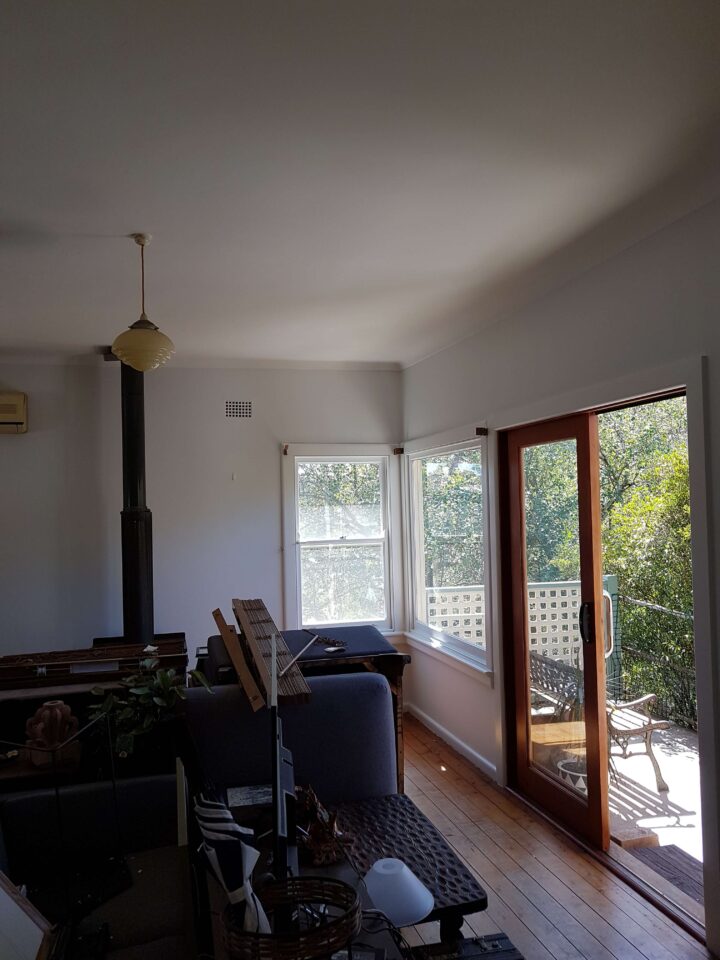
Timeless Colours Vs Trend-Driven Choices
Many homeowners wonder whether to choose colours that are popular now or colours that will remain appealing for years.
The answer often depends on how long you plan to stay in the property and how frequently you update your interiors.
Why Timeless Colours Continue To Perform Well
Timeless colours offer several advantages:
- Greater decorating flexibility
- Easier furniture coordination
- Less risk of feeling dated
- Broader appeal for future buyers
For many homes, these practical benefits outweigh short-term design trends.
When Trend Colours Make Sense
Trend-inspired colours can still work well when used selectively.
They are often best suited to:
- Feature walls
- Accent areas
- Decorative elements
- Rooms likely to be updated regularly
This approach allows homeowners to introduce personality without committing an entire room to a trend.
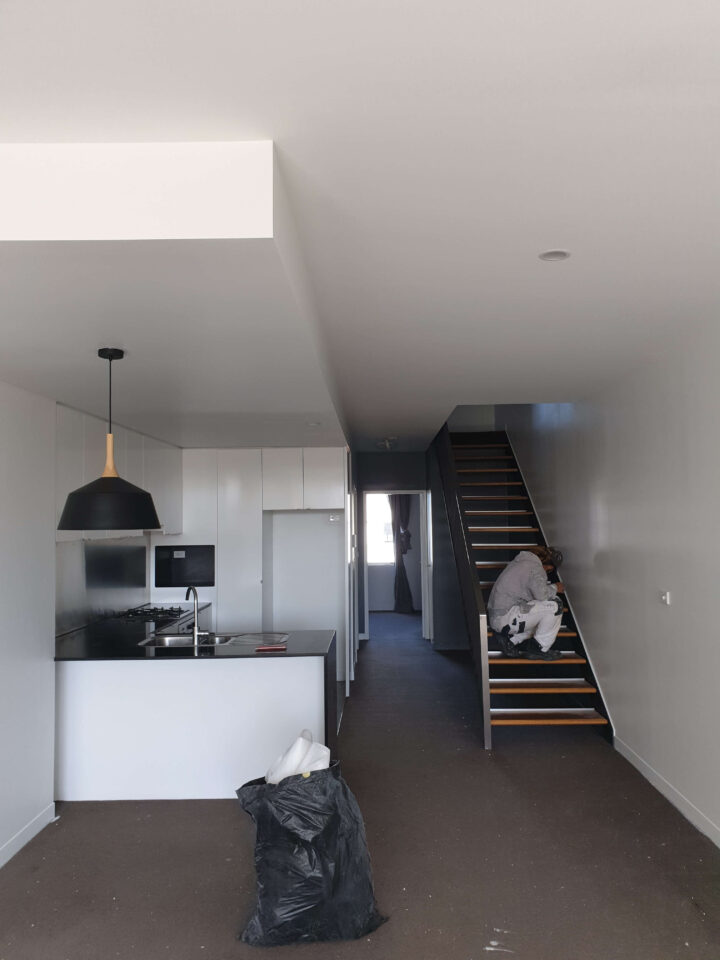
Common Living Room Colour Mistakes Homeowners Make
Even attractive colours can produce disappointing results when key considerations are overlooked.
Choosing Colours Before Assessing Lighting
Lighting should be considered before any colour decision is finalised.
Ignoring this step is one of the most common causes of dissatisfaction after painting.
Following Trends Without Considering The Home
A colour that works well in one property may not suit another.
Successful interior colour ideas should account for:
- Architecture
- Flooring
- Cabinetry
- Furnishings
- Natural light
Selecting Colours In Isolation
Living rooms rarely exist on their own.
Hallways, dining areas, and adjoining rooms all influence how colours are perceived throughout the home.
Relying On Tiny Colour Samples
Paint colours behave differently across large surfaces.
A colour that appears subtle on a sample card can become much more dominant once applied to multiple walls.
Ignoring Long-Term Practicality
Some colours create a strong first impression but become difficult to live with over time.
Considering how the room will function over the coming years often leads to better decisions.

When Professional Colour Advice Can Make A Difference
Choosing a colour for a single room is usually straightforward. Coordinating colours throughout an entire home can be far more challenging.
Professional guidance is often valuable when:
- Planning a full interior repaint
- Updating older colour schemes
- Preparing a property for sale
- Managing open-plan layouts
- Balancing natural and artificial lighting
- Creating consistency between rooms
An experienced perspective can help homeowners avoid costly mistakes and achieve a more cohesive result.
Frequently Asked Questions
The questions below address some of the most common concerns homeowners have when choosing living room paint colours, from popular colour choices to creating a cohesive look throughout the home.
What Is The Most Popular Living Room Paint Colour?
Warm whites, greige tones, and soft greys remain among the most popular choices because they suit a wide range of homes and lighting conditions.
Are White Living Rooms Still In Style?
Yes. White living rooms remain popular because they create a bright, versatile backdrop. The key is selecting a white with undertones that suit the room’s lighting.
What Colours Make A Living Room Look Bigger?
Soft whites, light greys, and pale neutral colours generally help create a greater sense of space by reflecting more light.
Should Living Room Colours Match The Rest Of The House?
Not necessarily. However, complementary colours usually create better flow and visual consistency throughout the home.
How Many Paint Colours Should Be Used In One Living Room?
Most living rooms benefit from a restrained palette. One primary wall colour supported by complementary accents often provides the most timeless result.
Choosing The Right Living Room Colour With Confidence
The best living room paint colours are rarely determined by trends alone. The most successful choices consider natural light, room size, home style, furnishings, and how the space will be used over time.
By approaching colour selection thoughtfully, homeowners can create a living room that feels comfortable, functional, and visually appealing for years to come.
If you’re planning an interior repaint, choosing colours early in the process can help ensure the finished result aligns with both your home and lifestyle.