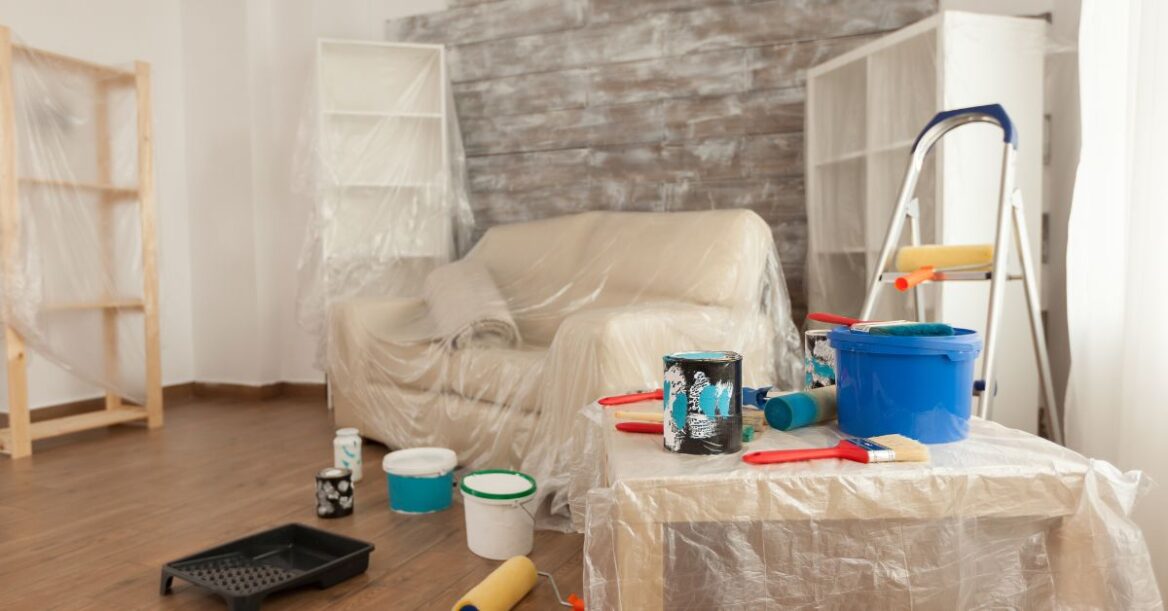
Planning a renovation often means juggling multiple trades, timelines, and decisions. One of the most common questions is when painting should actually happen. It might seem like a simple final step, but getting the timing wrong can lead to damage, delays, and added costs.
Painting at the right stage protects your investment and ensures the finish looks exactly as it should once everything is complete.
When Should You Paint During A Home Renovation?
The short answer is simple. Painting usually happens after major structural and messy work is complete, but before final finishes are installed.
This typically means waiting until:
- Plastering and repairs are done
- Electrical and plumbing rough-ins are finished
- Surfaces are clean, dry, and ready
A useful way to think about it is: paint after the mess, before the detail work.
There are exceptions. If you’re renovating in stages or updating specific rooms, painting may happen in sections. In most full renovations, though, painting too early is what causes problems.
The Ideal Order Of Renovation Tasks (Where Painting Fits In)
Understanding where painting sits in the renovation process makes planning much easier.
Typical Renovation Timeline
A standard sequence usually looks like this:
- Demolition
- Structural work
- Electrical and plumbing
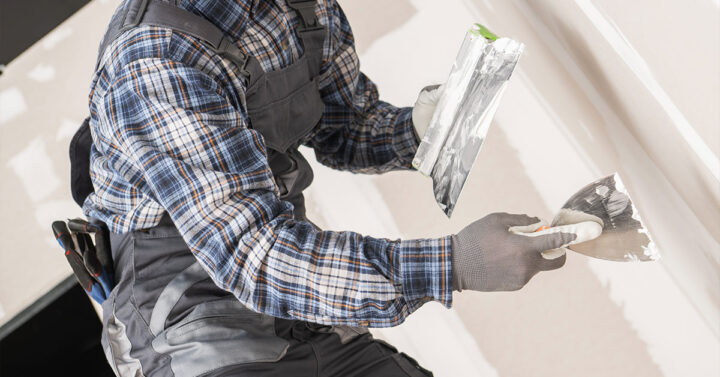
- Plastering and repairs
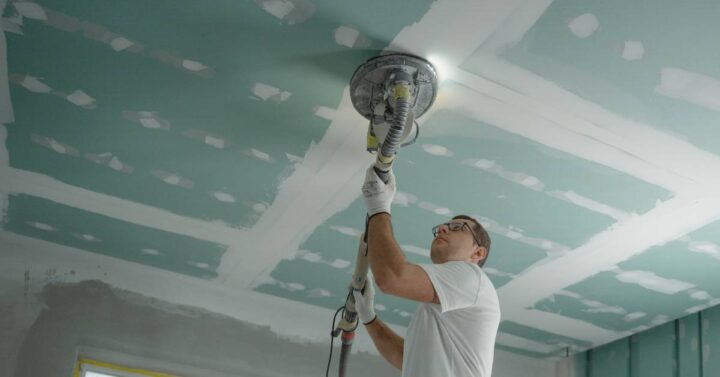
- Surface preparation (cleaning, sanding, priming)
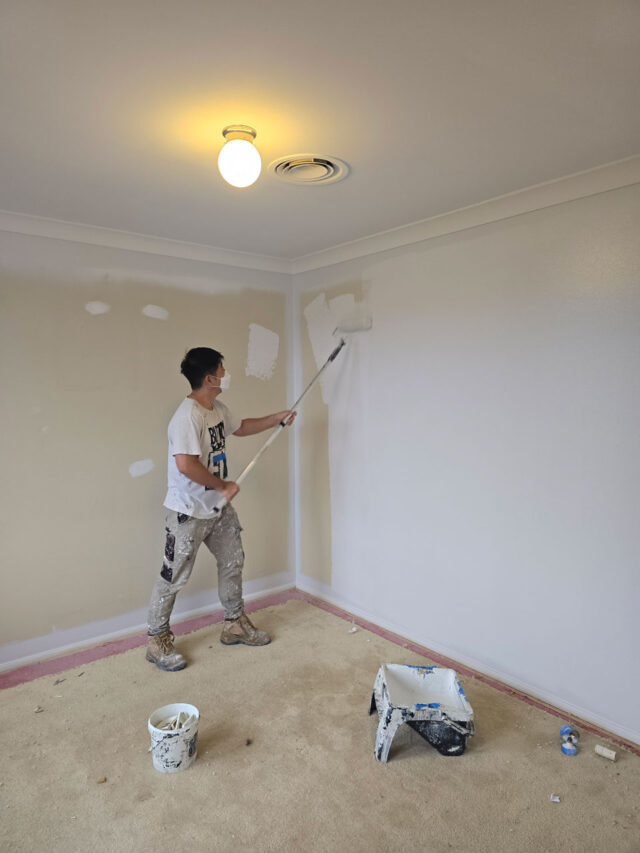
- Painting
- Flooring, cabinetry, and fixtures
Painting sits between construction and final detailing.
Why Painting Happens At This Stage
Painting too early exposes fresh surfaces to damage. Too late, and it becomes harder to achieve clean, consistent finishes.
At the right stage, you get:
- Smooth, properly prepared surfaces
- Minimal dust and contamination
- Enough time for the paint to cure before final installations
In reality, renovation timelines often shift. Trades overlap, delays happen, and schedules tighten. That’s why flexibility around painting timing is just as important as the plan itself.
Painting Before Or After Key Renovation Elements
This is where most confusion comes in. Different parts of the renovation influence when painting should happen.
Painting Before Or After Flooring?
In most cases:
- Undercoats are applied before the flooring is installed
- Final coats are completed after the flooring is in place
This approach protects the floors while allowing for a clean finish at the end.
Painting Before Or After Cabinets And Joinery?
Walls are typically painted before cabinets and joinery are installed.
Painting after installation often leads to:
- Difficult cutting-in
- Less consistent finishes
Final touch-ups may still be needed once everything is in place.
Painting After Plastering Or Repairs
Painting should only begin once plaster and repairs are:
- Fully dry
- Properly sanded and prepared
Rushing this stage often results in peeling paint, uneven finishes, or visible patching.
Interior Vs Exterior Painting Timing
Interior painting generally follows the main renovation sequence.
Exterior painting is more flexible but depends on:
- Weather conditions
- Drying times
- Site access during construction
In Australia, humidity and temperature can affect drying and curing times more than many expect.
Why Timing Your Painting Properly Matters
Timing isn’t just about convenience. It directly affects the final result.
Getting it wrong can lead to:
- Scratches and marks from other trades
- Dust settling into wet paint
- Repainting areas that were already finished
- Delays while surfaces are repaired
It’s common to see freshly painted walls damaged within days when sequencing is off. Fixing that later adds cost and extends the timeline.
Common Mistakes To Avoid When Painting During Renovations
Even well-planned renovations can run into issues when painting isn’t handled correctly.
Common mistakes include:
- Painting too early before the messy work is complete
- Skipping proper surface preparation, especially after repairs
- Not allowing enough drying time between coats
- Dust contamination between coats, affecting the final finish
- Using the wrong paint for newly repaired surfaces
- Poor coordination with other trades, leading to accidental damage
- Rushing before move-in or sale deadlines, which impacts quality
Many of these issues only become obvious at the end, when fixing them is more time-consuming and costly.
Can You Paint While Living In The Home?
Yes, but it takes planning.
Many homeowners choose to stay during renovations to manage costs. Painting can still be done effectively with the right approach.
Typically, this involves:
- Working in zones, completing one area at a time
- Using low-VOC paints to reduce fumes
- Keeping spaces well ventilated
- Maintaining clean, contained work areas
The goal is to minimise disruption while still achieving a professional finish.

DIY Vs Hiring Professional Painters During Renovations
This is a common decision during any renovation.
When DIY Might Work
DIY painting can be suitable if:
- The project is small or cosmetic
- There are no major repairs involved
- You have flexibility with timing
When Professionals Make A Difference
Professional painters are particularly valuable when:
- Timelines are tight
- Multiple trades are involved
- Surfaces require significant preparation
- A consistent, high-quality finish is important
It’s worth noting that DIY issues often only become visible once everything else is complete. Fixing them at that stage can mean redoing finished areas.
For renovations with multiple moving parts, experienced professional painters help keep everything aligned.
How Professional Painters Fit Into A Renovation Timeline
In a well-managed renovation, painters work closely with other trades to keep things running smoothly.
This often includes:
- Coordinating with builders, plasterers, and carpenters
- Scheduling around installations and inspections
- Preparing and protecting surfaces before and after painting
- Adjusting timing as the project evolves
For example, in a kitchen renovation with a tight deadline, painting needs to be completed at the right stage so cabinetry and appliances can be installed without delays.
That level of coordination is where experience becomes especially valuable.
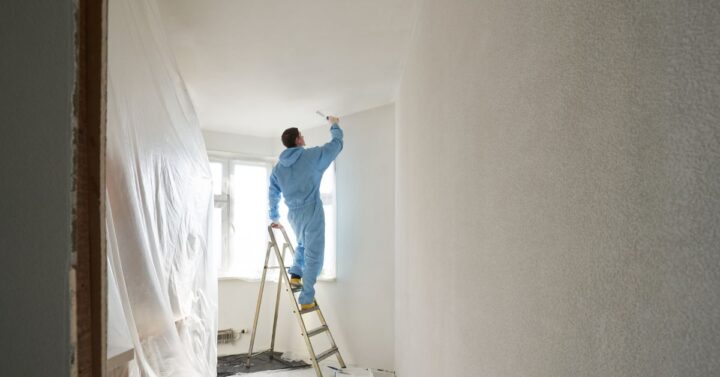
Final Tips For A Smooth Painting Process During Renovation
A few practical steps can make the process far smoother:
- Ensure all repairs and plastering are complete before painting
- Schedule painting with buffer time before final installations
- Protect freshly painted surfaces immediately
- Choose durable finishes for high-traffic areas
- Plan for touch-ups as part of the process
These small decisions help prevent larger issues later on.
FAQs About Painting During A Home Renovation
If you’re still unsure about how painting fits into your renovation timeline, these common questions can help clarify the details. Here are straightforward answers based on real renovation scenarios.
Should you paint before or after flooring?
Most projects involve painting before flooring, followed by final coats after installation. This protects the floors while allowing for a clean finish.
How long should you wait to paint after plastering?
Wait until the plaster is fully dry. Drying time varies depending on conditions, but painting too soon can lead to peeling or uneven results.
Is it cheaper to paint during a renovation?
Often, yes. Painting during a renovation can reduce preparation work and improve efficiency, which may lower overall costs.
Can you live in your home while painting?
Yes, with proper planning. Working in stages, using low-VOC paints, and ensuring ventilation helps minimise disruption.
Do painters work with builders and other trades?
Yes. Experienced painters regularly coordinate with other trades to ensure timing, access, and finishes align with the overall renovation schedule.
Conclusion
Painting might seem like one of the final steps in a renovation, but timing plays a major role in how everything comes together. Done at the right stage, it protects your work, improves the finish, and keeps the project moving smoothly.
If you’re planning a renovation in Sydney, organising painting early can save time, reduce stress, and help you achieve a result that looks right from the moment everything is complete.