
Getting your home ready for sale often comes down to a series of small decisions that add up quickly. Paint colour is one of the most important. It shapes how buyers see your home both online and in person, and it can influence how quickly offers come in.
If you’re working toward a listing or auction date, choosing the right colours early can make the process smoother. This guide breaks down what actually works, so you can move forward with confidence instead of guesswork.
Why Paint Colour Matters When Selling Your Home
Paint colour does more than freshen up a space. It directly influences how buyers feel the moment they walk in.
The right palette creates a sense of cleanliness, space, and care, signalling that the home has been well-maintained. In contrast, bold or outdated colours can make buyers feel like there’s work ahead, even if everything else is in good condition.
There’s also a psychological layer. Buyers need to quickly picture themselves living in the home. Neutral colours remove distractions and make it easier. The less effort it takes to imagine their furniture and lifestyle in the space, the more appealing it becomes.
In practical terms, this often leads to:
- Stronger first impressions in listing photos
- More interest in inspections
- Higher perceived value during negotiations

The Best Paint Colours For Selling A House
When preparing a home for sale, the most effective approach is simple. Stick to light, neutral colours that appeal to the widest range of buyers.
Neutral Whites And Off-Whites
Whites and off-whites are the most reliable choice. They reflect light, make rooms feel larger, and create a clean, modern look.
The key is choosing the right undertone:
- Warm whites suit homes with plenty of natural light or warmer interiors
- Cool whites work better in modern spaces with grey or minimalist finishes
Done well, white walls act as a blank canvas, allowing buyers to focus on the space rather than the colour.
Warm Neutrals (Beige, Greige)
Warm neutrals like beige and greige offer a softer alternative to pure white. They add warmth without feeling heavy or dated.
They work particularly well in:
- Older homes with warmer lighting
- Living areas where you want a more inviting feel
These tones are also forgiving, making it easier to maintain consistency throughout the home.
Light Greys
Light grey remains a popular option, especially in contemporary homes. It delivers a clean, modern finish when used carefully.
Undertone matters here. In Australian light, very cool greys can feel flat or slightly blue. Softer greys with a touch of warmth tend to perform better both in person and in photos.
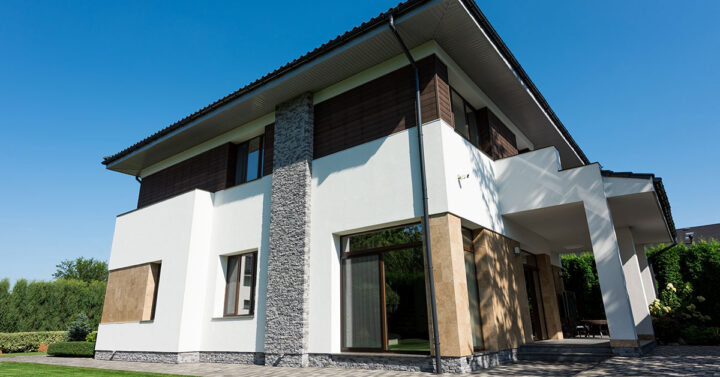
Soft Earthy Tones
Subtle earthy shades like muted taupe or soft sage can add character without overwhelming the space. They align well with the relaxed, natural style many Australian buyers prefer.
Keep these tones understated. The goal is to enhance the space, not define it.
Across all choices, think in terms of a cohesive palette rather than individual colours. Consistency is just as important as the shade itself.
Best Interior Paint Colours Room By Room
Once you’ve chosen your overall direction, it helps to apply it thoughtfully throughout the home.
Living Areas
Living spaces benefit from light, cohesive colours that flow easily from one area to the next. This is especially important in open-plan layouts, where consistency makes the space feel larger and more connected.
Kitchen
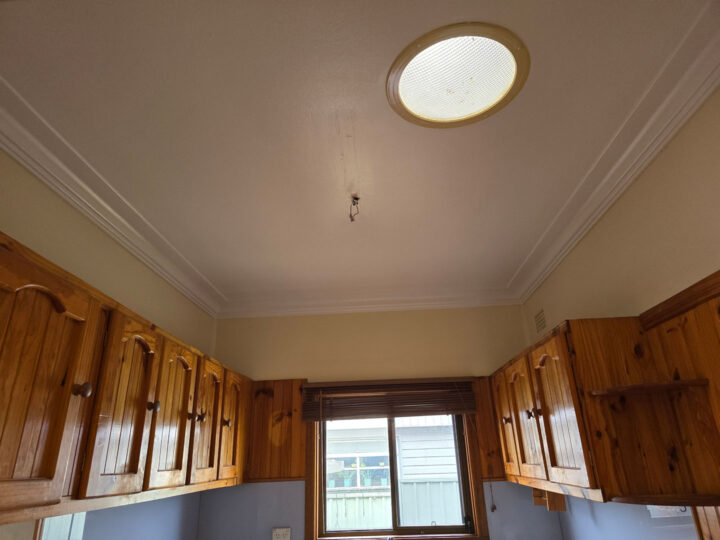
In kitchens, brightness and cleanliness matter most. Whites and soft neutrals reflect light and help the space feel fresh.
Even in older kitchens, the right colour choice can lift the overall look and improve how it presents in photos.
Bedrooms
Bedrooms should feel calm and neutral. Slightly warmer tones often work best, creating a relaxed, hotel-like atmosphere.
The aim is comfort without strong personalisation.
Bathrooms
Bathrooms benefit from crisp, clean colours that highlight hygiene. Whites and very light neutrals are ideal.
A brighter palette can make fixtures feel newer and the space more inviting.
Across all rooms, keeping ceilings and trims in a clean white adds contrast and helps ceilings appear higher.
Best Exterior Paint Colours For Street Appeal
Exterior colour shapes the first impression before buyers even step inside.
Neutral palettes are the safest choice:
- Soft whites
- Light greys
- Warm beiges
A simple combination of wall colour, trim, and a slightly contrasting front door can create a polished, balanced look.
It’s also worth considering the surrounding homes. You want the property to feel well-presented, not out of place.
In Australia, strong sunlight can wash out colours. Slightly warmer tones tend to hold their appearance better throughout the day.
Paint Colours To Avoid When Selling
When selling, personal style takes a back seat to broad appeal.
Colours to avoid include:
- Bold feature walls in red, navy, or bright tones
- Very dark colours that make rooms feel smaller
- Highly personalised or trend-driven shades
- Clashing undertones between rooms
These choices aren’t necessarily wrong. They’re just less predictable. What feels like personality to one buyer can feel like extra work to another.
The goal is to make the home easy to say yes to.
Should You Repaint Before Selling? (Is It Worth It?)
Repainting before selling is often one of the simplest ways to improve presentation.
It’s usually worth considering if:
- Walls are marked, faded, or damaged
- Colours feel outdated or too specific
- There’s an inconsistency between rooms
Not every home needs a full repaint. In some cases:
- Touch-ups can address minor wear
- A partial repaint can refresh key areas like entryways and living spaces
But if buyers notice it, it’s already influencing their perception.
Compared to larger upgrades, painting is relatively cost-effective and can have a meaningful impact on how the home is valued.
How To Choose The Right Paint Colour (Without Overthinking It)
Choosing colours doesn’t need to be complicated. A simple approach works best.
Start with this:
- Choose a base neutral suited to your home’s lighting
- Test samples on multiple walls to see how the colour shifts throughout the day
- Apply it consistently across the home
Avoid mixing too many tones or experimenting room by room. Consistency helps the home feel more intentional and easier to understand.
If you’re unsure, slightly warmer tones are often the safer option in Australian conditions.
Common Mistakes Sellers Make With Paint
Even good colour choices can fall short if the execution isn’t right.
Common mistakes include:
- Choosing colours based on personal taste
- Using different tones in every room
- Rushing the job before listing photos
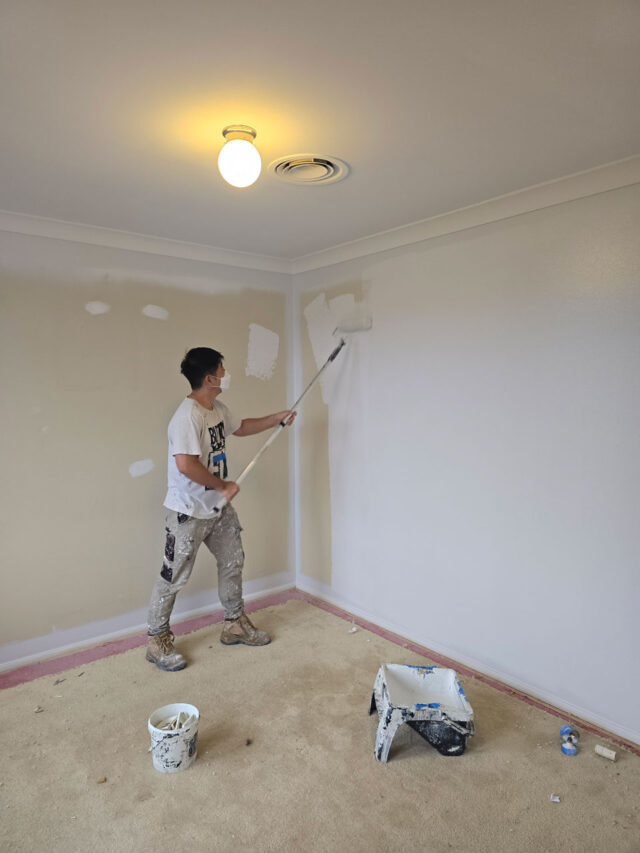
- Skipping preparation like patching and sanding
The finish matters as much as the colour. Uneven coverage or visible repairs can make a home feel less well cared for, even if the palette is right.
Get Your Home Ready For Sale With Confidence
Preparing a home for sale involves tight timelines and multiple moving parts. Getting the painting right can make a noticeable difference from the first listing photo through to final inspection.
Working with experienced painters helps ensure a clean, consistent result without delays or rework. It also removes one more task from your list during an already busy period.
If you’re aiming for a smooth, well-presented sale, getting professional support early can make the process far easier.

FAQs
Understanding what works can make the entire selling process feel more straightforward. Below are clear answers to some of the most common questions homeowners have when choosing paint colours before listing their property.
What Is The Best Colour To Paint A House Before Selling?
Light, neutral colours are the safest choice. Whites, off-whites, and soft greys appeal to the widest range of buyers and help spaces feel brighter and more open.
Should I Paint My House Before Selling In Australia?
In many cases, yes. If the paint is worn, outdated, or overly personalised, repainting can significantly improve how the home presents to buyers.
What Colours Help A House Sell Faster?
Neutral, consistent colours tend to attract more interest. They make it easier for buyers to imagine living in the space, which can lead to stronger engagement.
Is It Better To Paint Everything The Same Colour?
A consistent palette throughout the home usually works best. It creates flow and makes the property feel more cohesive, particularly in open-plan layouts.
What Colour Makes A House Look More Expensive?
Soft, well-chosen neutrals can give a home a more refined feel. Clean lines, consistent tones, and a high-quality finish all contribute to a more premium impression.
Do Paint Colours Affect Property Value In Australia?
Yes. While colour alone doesn’t determine value, it strongly shapes buyer perception. A neutral, well-presented home often feels more move-in ready, which can support better offers.
Conclusion
When selling a home, paint colour isn’t about personal taste. It’s about creating a space that feels clean, neutral, and easy for buyers to connect with.
You don’t need to overcomplicate it. Light, consistent colours paired with a quality finish will do most of the work.
If you want your home to present at its best before going to market, getting the painting right is one of the simplest ways to make a meaningful difference.