
If you’ve recently bought a property, you may be wondering whether you should paint the house before moving in.
For many homeowners, the answer is yes.
Painting before occupancy is often easier, faster, and less disruptive than organising the work after furniture, appliances, and everyday routines are already in place. It also allows you to personalise the home before settling in.
The right decision depends on the condition of the existing paintwork, your timeline, planned renovations, and how much of the property you want to update.
Why Many Homeowners Repaint Before Moving In
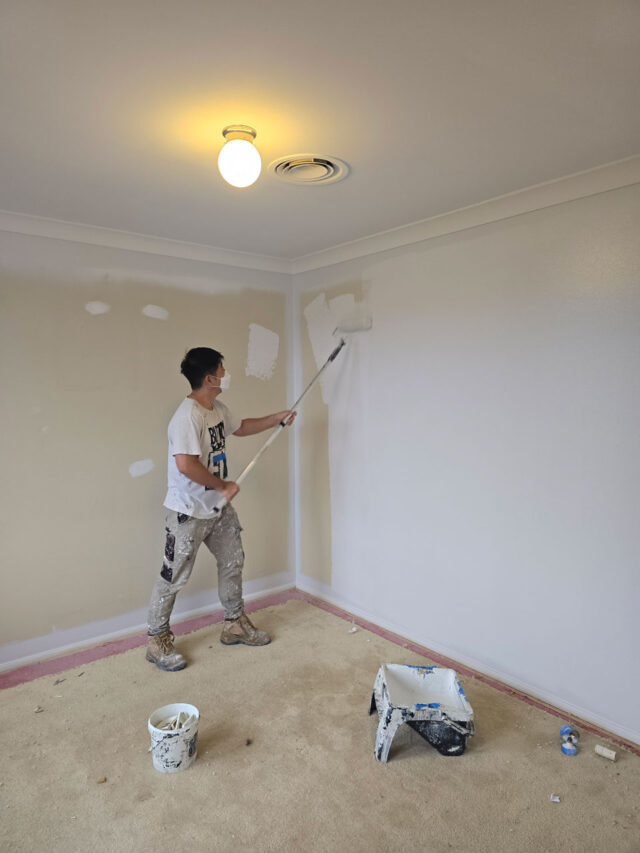
Moving into a new home creates a rare opportunity to improve the property while it’s completely empty and accessible.
Even when existing paintwork is in reasonable condition, the colours, finishes, or overall appearance may not suit the new owner’s preferences.
Common reasons for new home repainting include:
- Modernising outdated colours
- Refreshing worn or marked surfaces
- Covering visible patch repairs
- Brightening dark rooms
- Creating a consistent look throughout the home
- Removing signs of previous occupancy
For many buyers, repainting is one of the simplest ways to make a newly purchased property feel like their own.
The Biggest Advantages Of Painting Before Moving In
The biggest advantage of painting before the move-in date is convenience, but there are several practical benefits.
Easier Access To All Surfaces
An empty property gives painters unrestricted access to walls, ceilings, doors, and trim.
Without furniture, boxes, or household belongings in the way, work can progress more efficiently and with fewer interruptions.
Less Preparation And Protection Work
Occupied homes require furniture and personal belongings to be moved, covered, and protected.
An empty house removes much of this logistical work and simplifies the project.
Faster Project Completion
Without room access restrictions or furniture management, painters can move through the property more efficiently.
This often makes scheduling and project coordination easier.
Reduced Household Disruption
Painting before occupancy avoids the inconvenience of living through the project.
There is no need to work around drying times, restricted room access, or temporary room closures.
Easier Coordination With Other Improvements
Many homeowners schedule painting alongside:
- Professional cleaning
- Flooring replacement
- Minor renovations
- Lighting upgrades
- Window furnishing installation
Completing these tasks before moving in can help streamline the overall transition into the property.
When Painting Before Moving In Makes The Most Sense
Certain situations make painting before occupancy particularly worthwhile.
The Entire Home Needs Updating
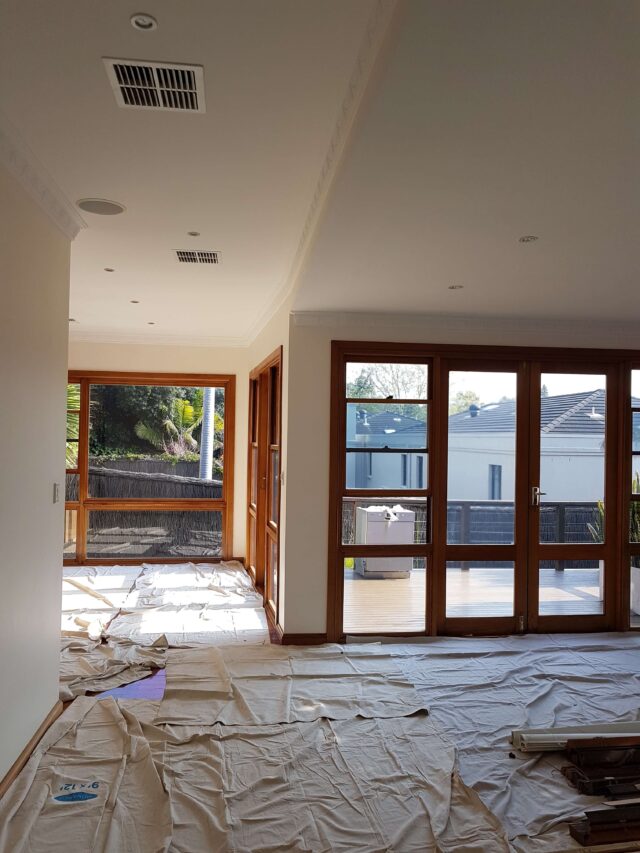
If most rooms require repainting, completing the work before moving in is usually the most practical option.
You’re Planning Significant Colour Changes
Major colour updates are easier to complete when the property is vacant and fully accessible.
The Property Has Dated Finishes
Older homes often benefit from a fresh repaint before occupancy, especially when colours or finishes feel tired or outdated.
You’re Moving A Family Into The Home
Families with children or pets often prefer to complete painting beforehand rather than manage the disruption later.
The Property Is Between Occupants
Vacant investment properties, apartments, and rental homes are often easiest to repaint before new occupants move in.
Situations Where Waiting May Be The Better Option
Painting before moving in isn’t always the best approach.
Settlement Timing Is Tight
If there is very little time between settlement and occupancy, completing the project beforehand may not be practical.
Other Renovations Are Planned
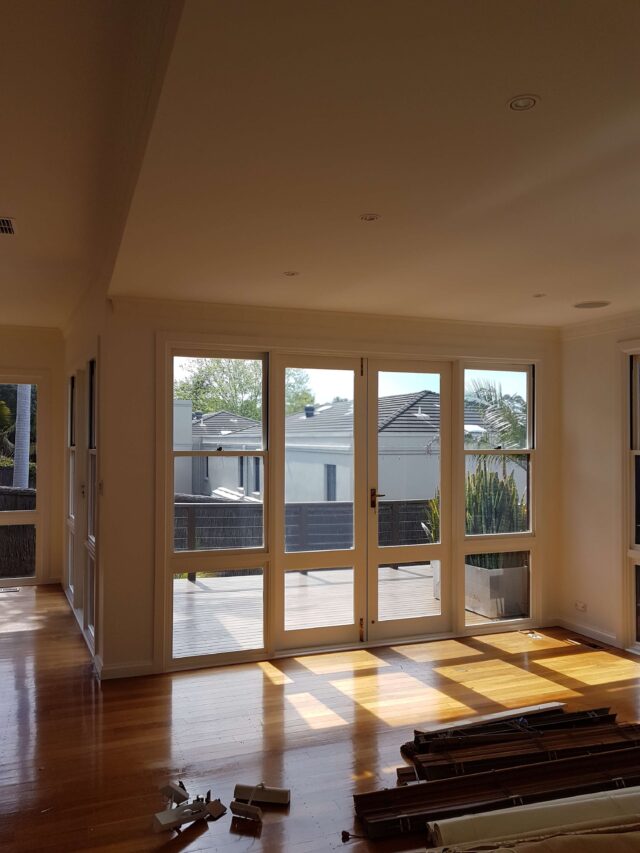
Flooring, kitchen upgrades, cabinetry work, and other renovations are often better completed before painting.
You’re Unsure About Colours
Some homeowners prefer to live in the property first before committing to a colour scheme.
Other Priorities Need Attention
Repairs, maintenance, or renovation work may take priority over cosmetic updates immediately after purchase.
Common Mistakes Homeowners Make When Planning A Move-In Repaint
The period between settlement and moving day can be busy, which often leads to avoidable mistakes.
Leaving Planning Too Late
Many homeowners underestimate how far in advance painting may need to be organised.
Early planning usually provides more flexibility around scheduling.
Delaying Colour Decisions
Leaving colour selections until the last minute can slow down project planning and create unnecessary pressure.
Poor Coordination With Other Trades
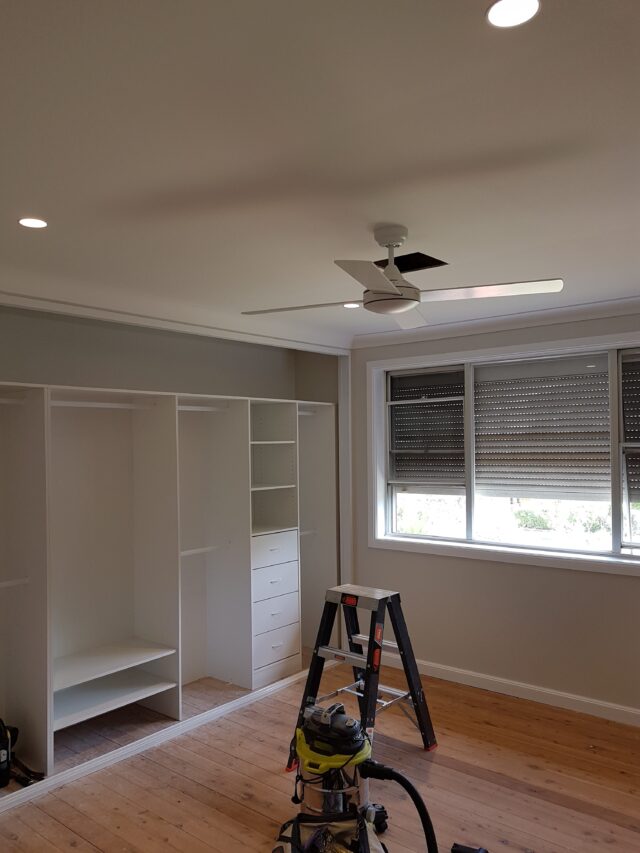
Painting often needs to be scheduled around cleaners, flooring installers, electricians, and other contractors.
Poor coordination can create delays and rework.
Underestimating The Benefits Of A Vacant Property
Many people assume painting after moving in will be only slightly less convenient.
In reality, furniture management and occupied-home logistics can significantly affect the experience.
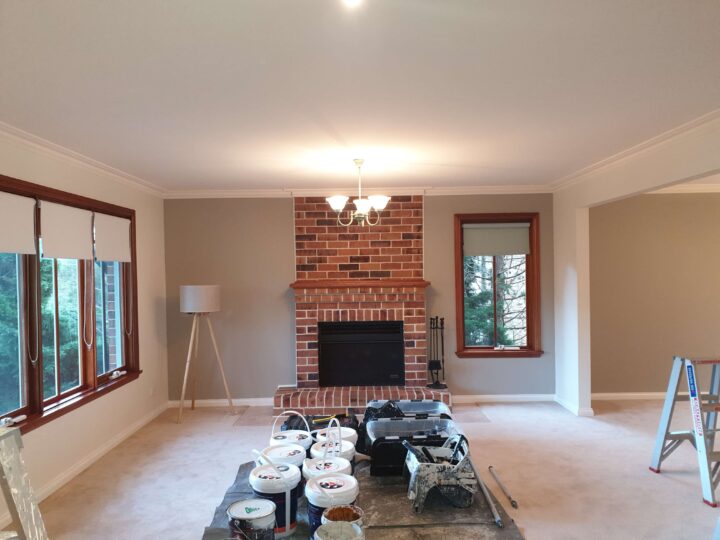
Painting Before Moving In Vs Painting After Moving In
Both approaches can work successfully, but the experience is often very different.
| Consideration | Before Moving In | After Moving In |
|---|---|---|
| Access To Surfaces | Full access | May be restricted |
| Furniture Protection | Not required | Usually required |
| Project Efficiency | Generally higher | Often slower |
| Household Disruption | Minimal | Can be significant |
| Scheduling Flexibility | Often easier | Must work around occupants |
| Move-In Convenience | Higher | Lower |
For most whole-home repaint projects, completing the work before occupancy is the simpler option.
What To Consider Before Booking A Move-In Repaint
Before organising painting work, consider:
- Settlement and access dates
- Desired move-in date
- Number of rooms being painted
- Existing paint condition
- Planned renovation work
- Cleaning schedules
- Colour selection timelines
Organising these details early can help create a smoother transition between settlement and move-in.

Frequently Asked Questions
These are some of the most common questions homeowners ask when deciding whether to paint before moving into a newly purchased property. The answers can help you plan your timing, budget, and overall move-in process more effectively.
Is It Cheaper To Paint Before Moving In?
Painting costs depend on the size, condition, and scope of the project. However, empty homes are often easier to access and organise.
How Long Before Moving Day Should Painting Be Completed?
The ideal timeframe depends on the amount of work involved. Larger projects generally benefit from being scheduled well before moving day.
Can Professional Painters Work Around Furniture?
Yes. Professional painters regularly work in occupied homes, although empty properties are typically easier to paint efficiently.
Should I Repaint A Newly Purchased Home If The Existing Paint Looks Fine?
Not necessarily. Many homeowners repaint for aesthetic reasons rather than because the existing paint has failed.
Can An Entire House Be Repainted Between Settlement And Move-In?
In many cases, yes. Timing depends on access arrangements, project scope, and scheduling availability.
Final Thoughts
If you’re deciding whether to paint before moving in, an empty property usually provides the most efficient opportunity to complete the work.
With easier access, fewer logistical challenges, and minimal disruption, many homeowners find that repainting before occupancy creates a smoother move-in experience and allows them to enjoy the home exactly as they want from day one.