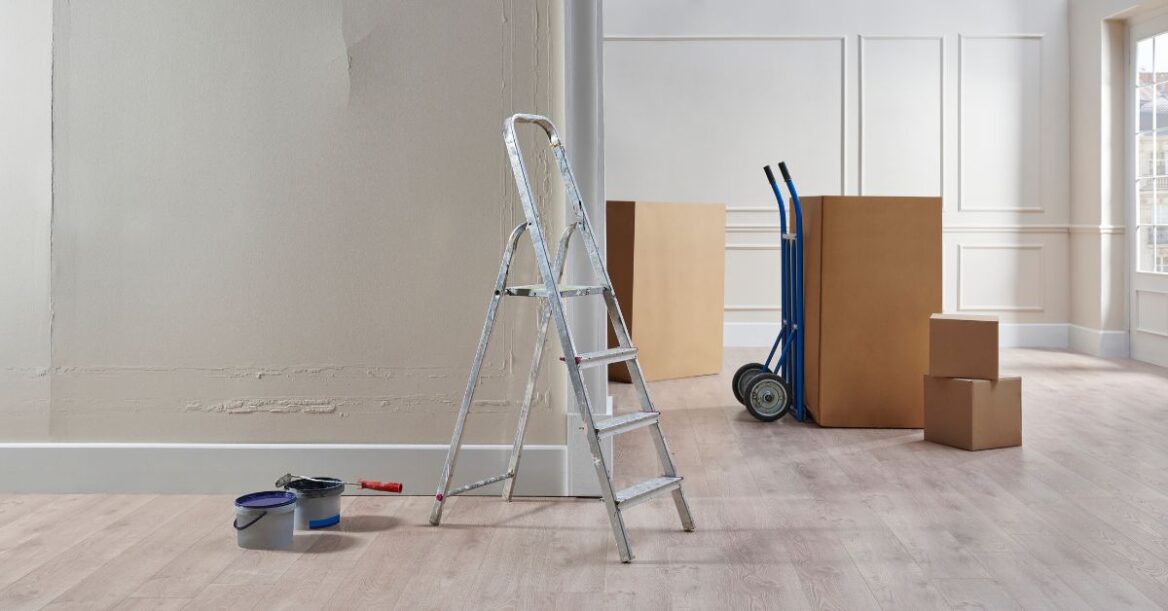
An end-of-lease repaint is often completed within a narrow window between one tenant moving out and the next moving in. Understanding the typical end-of-lease painting timeline helps landlords, property investors, and property managers reduce vacancy periods and plan rental turnover more effectively.
While every property is different, most projects follow a predictable sequence. The key is understanding what affects the timeline and identifying potential delays before they disrupt leasing schedules.
Why End-of-Lease Painting Timelines Matter
Painting is often one of the final maintenance tasks completed before a property is ready for re-letting. Delays can affect inspections, cleaning, photography, advertising, and tenant move-in dates.
Common reasons repainting is required between tenancies include:
- General wear and tear
- Scuff marks and wall damage
- Patch repairs from removed fixtures
- Faded paintwork
- Cosmetic updates
A realistic rental repaint timeline helps coordinate maintenance, reduce downtime, and prepare the property for market sooner.
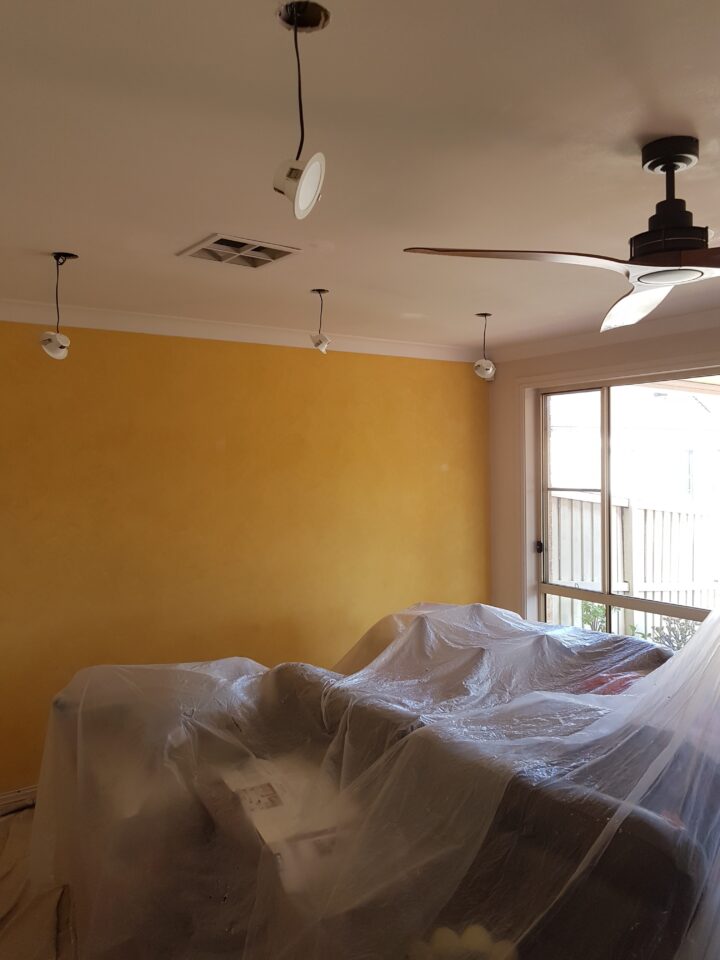
Typical End Of Lease Painting Timeline From Vacate To Completion
Most end-of-lease repaint projects follow a similar process, although the timeframe varies depending on the property’s size, condition, and scope of work.
Tenant Vacates The Property
The process usually begins once the property is vacant and access is available.
Vacant properties are typically easier to assess and repaint because there are no furnishings, belongings, or occupancy restrictions to work around.
Property Inspection And Condition Assessment
The next step is determining what work is required.
During inspection, landlords and property managers commonly identify:
- Wall and ceiling damage
- Scuffed or marked surfaces
- Patch repairs
- Paint deterioration
- Areas requiring full repainting versus touch-ups
This stage often determines whether the project is straightforward or requires additional maintenance before painting can begin.
Scope Of Work And Scheduling
Once repainting requirements are confirmed, the project can be scheduled.
Timeline considerations typically include:
- Property size
- Number of rooms
- Surface condition
- Repair requirements
- Access arrangements
- Required completion date
Projects organised early generally have more scheduling flexibility than those requiring immediate turnaround.
Painting Completion
The painting stage itself is only one part of the overall timeline.
Completion time depends on the amount of repainting required, surface condition, and whether repairs need to be completed beforehand.
Final Preparation For Re-Leasing
After painting is complete, the property can move into the final turnover stage.
This may include:
- Professional cleaning
- Photography
- Marketing preparation
- Final inspections
- Tenant handover arrangements
For most landlords, the priority is getting the property ready for occupancy as quickly as possible.
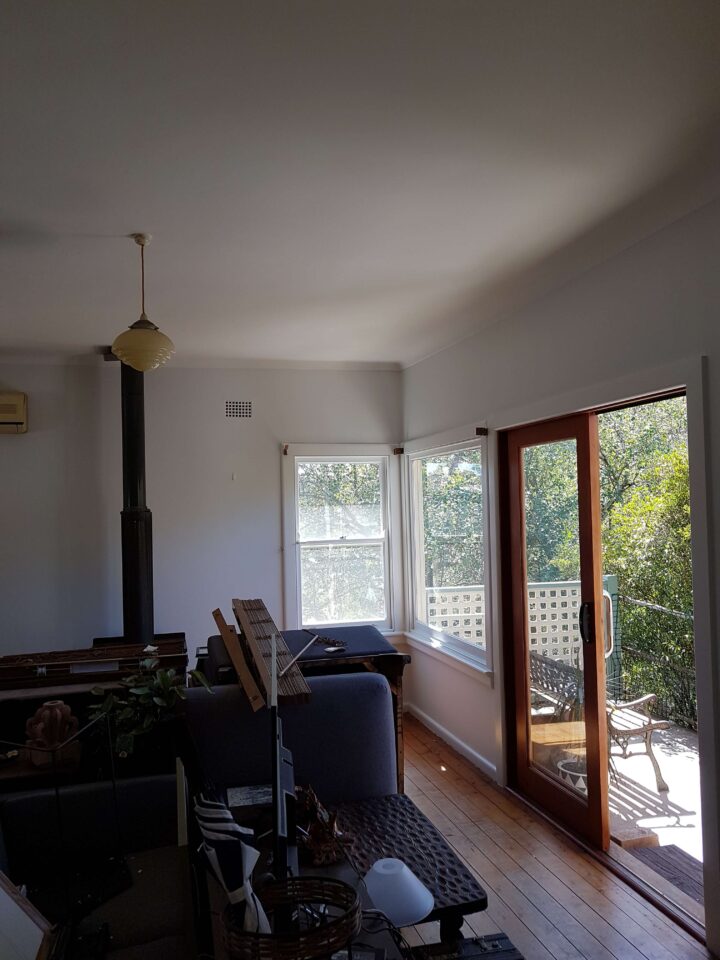
How Property Type Affects The Rental Repaint Timeline
Property size, layout, and access requirements can significantly affect scheduling expectations.
Apartment Repainting
Apartments are often quicker to repaint because they generally involve less surface area and fewer rooms.
However, apartment projects may require:
- Lift bookings
- Building access coordination
- Strata requirements
- Restricted working hours
Straightforward apartment repaints can often be completed efficiently during vacancy periods.
House Repainting
Houses generally require longer timeframes because of their larger scope.
Factors that commonly extend timelines include:
- Additional bedrooms and living areas
- Larger wall and ceiling areas
- More extensive repairs
- Multi-level access
A small villa and a large family home can have very different scheduling requirements.
Partial Repaints Versus Full Repaints
Not every rental property requires a complete repaint.
Common scenarios include:
- Single-room repainting
- High-traffic area refreshes
- Repair and touch-up work
- Full internal repainting
The larger the repaint scope, the greater the impact on the overall rental turnover schedule.
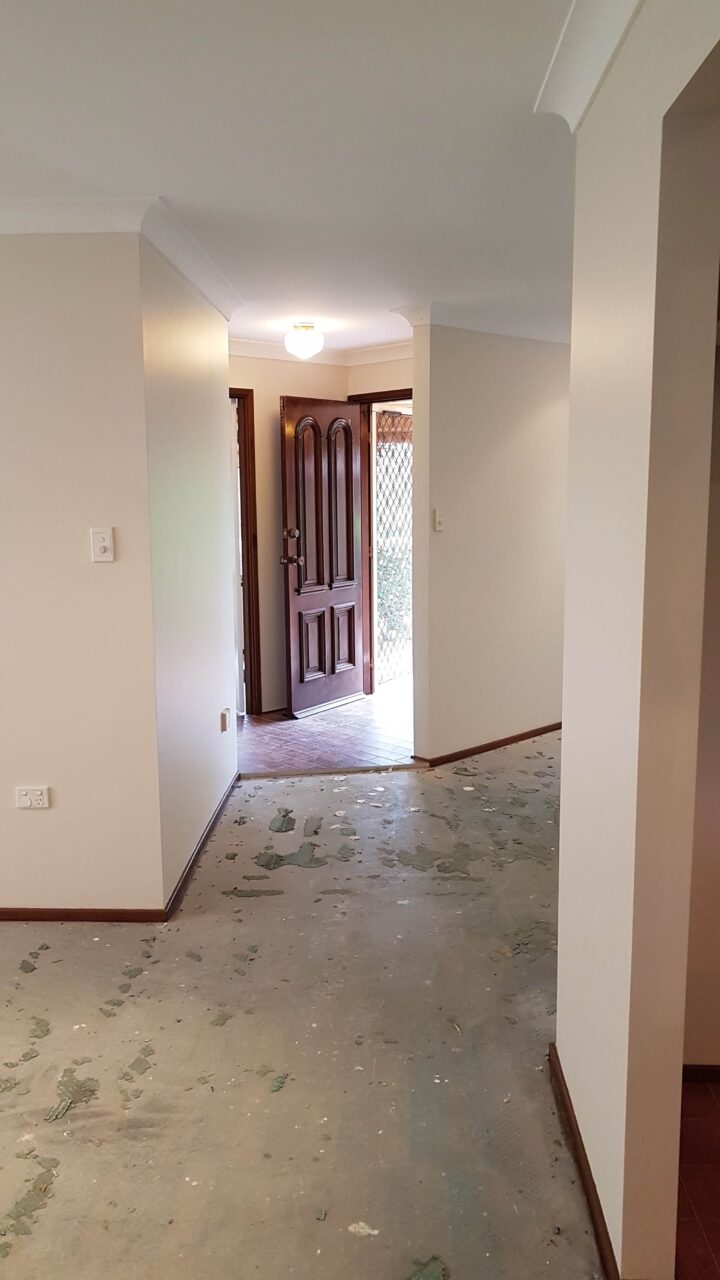
What Can Delay an End-of-Lease Repaint?
Many delays are caused by factors surrounding the project rather than the painting work itself.
Unexpected Repair Work
Inspections sometimes reveal issues that require attention before painting can begin.
Examples include:
- Wall damage
- Water-related defects
- Failed patch repairs
- Surface deterioration
Access Constraints
Painting cannot proceed until suitable access is available.
Common issues include:
- Delayed key handovers
- Ongoing tenant occupancy
- Building access restrictions
- Strata approval requirements
Trade Coordination
Painting is often scheduled alongside other maintenance work.
Coordination may be required with:
- Cleaners
- Electricians
- Carpenters
- Repair contractors
- Property maintenance teams
Where multiple trades are involved, scheduling conflicts can affect completion dates.
Peak Rental Turnover Periods
Periods of high rental activity can increase demand for maintenance and repainting services.
Planning ahead generally provides greater scheduling flexibility than organising work at the last minute.

Planning Ahead To Minimise Vacancy Periods
A successful rental repaint timeline usually starts before the property becomes vacant.
Where possible, planning should begin once notice has been received rather than after the tenant moves out.
Practical ways to reduce delays include:
- Scheduling inspections early
- Identifying repaint requirements in advance
- Coordinating maintenance work beforehand
- Confirming access arrangements
- Booking painters early
- Allowing time for unexpected repairs
Early planning creates more flexibility and reduces the risk of avoidable vacancy delays.
When Urgent Repainting May Be Necessary
Some rental situations require a faster turnaround than originally expected.
Urgent repainting is often needed when:
- A tenant vacates unexpectedly
- Lease commencement dates change
- Significant damage is discovered
- A property fails a final inspection
- New occupants are scheduled to move in quickly
In these situations, early assessment helps establish what can realistically be completed within the available timeframe.
Projects are usually completed more efficiently when access, approvals, and repair requirements have already been addressed.
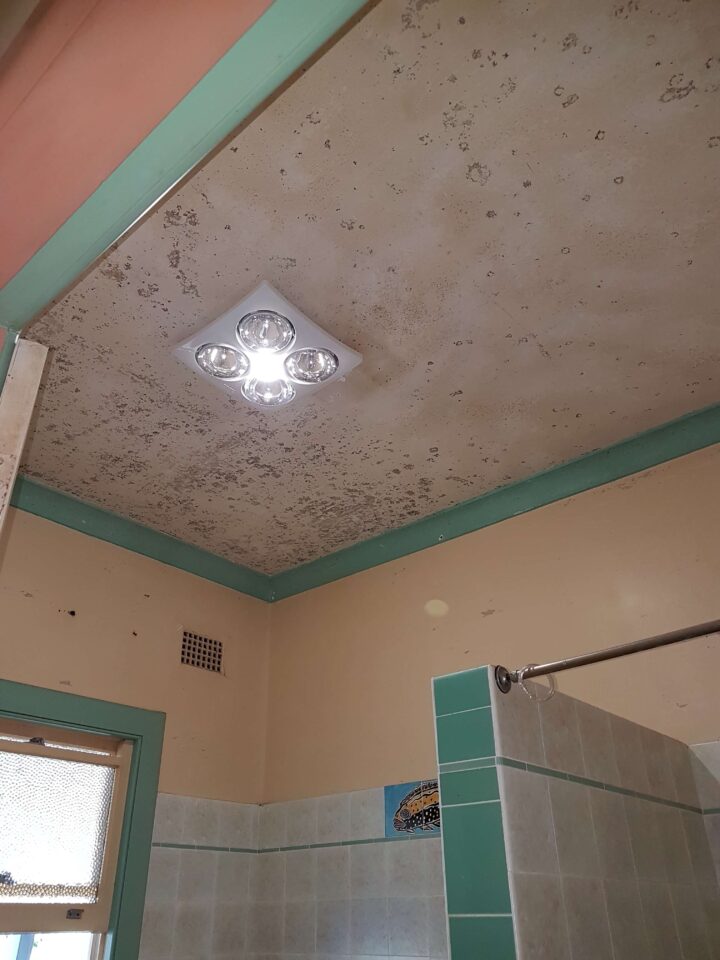
Common End-of-Lease Timeline Misconceptions
Misunderstanding repaint timelines can create unnecessary pressure during rental turnover.
“Painting Only Takes One Day”
Even when the painting itself is completed quickly, inspections, repairs, scheduling, and property preparation all contribute to the overall timeline.
“Vacant Properties Can Start Immediately”
Vacancy alone does not guarantee an immediate start date.
Scheduling availability, access arrangements, repairs, and building requirements may still affect commencement.
“Repairs Don’t Affect The Timeline”
Repair work is one of the most common causes of delays, particularly when issues are discovered late in the process.
“Every Rental Property Follows The Same Schedule”
Property size, condition, access, and scope of work all influence the timeline.

Frequently Asked Questions
These are some of the most common questions landlords, property managers, and property owners ask when planning repainting work between tenancies.
How long does an end-of-lease repaint usually take?
The timeframe depends on property size, repaint scope, surface condition, repair requirements, and scheduling availability.
Can Painting Begin Immediately After Tenants Move Out?
In many cases, yes. However, inspections, repairs, access arrangements, and scheduling availability may affect the start date.
How Much Notice Should I Give Painters?
Providing notice as early as possible generally improves scheduling flexibility and helps reduce delays.
Can Painting Be Completed Before New Tenants Move In?
Yes. Many rental repaint projects are specifically scheduled between tenancies. Early planning gives the best chance of meeting leasing deadlines.
What Factors Cause The Biggest Delays?
Repair work, access restrictions, trade coordination, and last-minute scheduling requests are among the most common causes.
Are Apartment Repaint Timelines Different From Houses?
Generally, yes. Apartments are often quicker to repaint, although access and strata requirements can influence scheduling.
Planning Your End-of-Lease Repaint
The most successful rental turnover projects are usually planned before the property becomes vacant.
Understanding a realistic end-of-lease painting timeline helps landlords and property managers coordinate inspections, maintenance, repainting, and tenant transitions more effectively.
If repainting is likely to be required before the next tenancy begins, seeking advice early can help establish realistic scheduling expectations and reduce avoidable vacancy delays.