Repainting your home’s exterior is a worthwhile investment. Whether you’re refreshing faded walls, maintaining your property, or preparing to sell, timing plays an important role in how well the finished paintwork performs.
Exterior paint doesn’t simply dry. It needs the right conditions to cure properly and bond to the surface. In a climate like Sydney’s, factors such as temperature, humidity, and rainfall can all influence the durability and appearance of the final finish.
Choosing the right time of year helps paint last longer and look better. With favourable weather conditions, the entire process becomes smoother for both homeowners and professional painters.
Why Weather Conditions Matter For Exterior Painting
Exterior painting is more sensitive to weather conditions than many homeowners expect. Temperature, moisture, and airflow all affect how paint dries and cures. When conditions aren’t suitable, the result may be uneven finishes, poor adhesion, or paint that deteriorates much sooner than it should.
Temperature And Paint Curing
Most exterior paints perform best when applied within a moderate temperature range, generally between 10°C and 30°C.
If temperatures are too high, paint can dry too quickly on the surface. This prevents it from bonding properly and may lead to blistering or cracking later. On very cold days, paint takes longer to cure and may struggle to adhere to the surface.
It’s also useful to understand the difference between drying and curing. Paint may feel dry to the touch within hours, but the curing process continues. When the coating fully hardens and bonds. It can take several days depending on conditions.
Humidity And Moisture Levels
Humidity also plays a major role in exterior painting. High moisture levels in the air slow the drying process and can trap moisture beneath the paint layer.
When moisture becomes sealed under paint, problems such as bubbling, peeling, or mildew growth can develop over time.
Sydney’s coastal climate means some areas experience higher humidity, particularly overnight or early in the morning. Professional painters often factor these conditions into their project planning to ensure surfaces are properly prepared and dry.
Rain And Surface Moisture
Painting onto damp surfaces is one of the most common causes of paint failure. Walls must be completely dry before any coating is applied.
Rain can also damage freshly applied paint if it falls too soon after application. For this reason, experienced painters typically allow 24 to 48 hours of dry weather when scheduling exterior painting projects.
Careful planning around the forecast helps prevent delays and ensures the paint cures properly.

The Best Season To Paint A House Exterior In Sydney
In Sydney, the best time of year to paint a house exterior is usually spring or autumn.
These seasons tend to offer the most balanced conditions for exterior paint. Temperatures are moderate, humidity is generally lower than peak summer, and weather patterns are more stable.
Spring brings longer daylight hours and comfortable working temperatures. Autumn often delivers consistent conditions with less humidity, making it particularly reliable for exterior painting.
That said, exterior painting is not limited to these seasons. Sydney’s relatively mild climate means projects can still be completed during other times of the year when the weather cooperates.
Professional painters often plan projects around suitable weather windows rather than the calendar alone. With the right preparation and timing, homes can be painted successfully outside the traditional peak seasons.
Exterior Painting In Sydney By Season
Each season brings slightly different conditions that can influence exterior painting. Understanding these differences can help homeowners plan their projects more effectively.
Spring Painting (September To November)
Spring is one of the most popular times for exterior painting in Sydney.
Temperatures begin to rise after winter, creating comfortable conditions for paint to dry and cure. Longer daylight hours also allow painters to complete more work during the day.
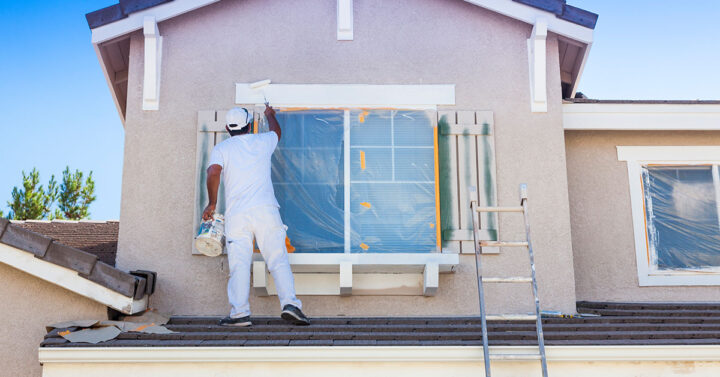
Advantages of spring painting include:
- Mild, stable temperatures
- Longer daylight hours
- Good drying conditions
Spring can also bring occasional storms and humidity changes, so scheduling work around weather forecasts is important.
Many homeowners repaint during spring to refresh their property before summer entertaining or before listing a home for sale.
Summer Painting (December To February)
Summer provides extended dry periods and plenty of daylight, which can make painting efficient when temperatures remain within a suitable range.
The main challenge is heat. Extremely hot surfaces can cause paint to dry too quickly, affecting how evenly it cures.
Key considerations during summer painting include:
- Heat exposure on sun-facing walls
- Rapid drying can affect finish quality
- Working earlier in the day to avoid peak temperatures
Professional painters often plan their work around the sun, painting shaded areas first and moving around the home as conditions change throughout the day.
Autumn Painting (March To May)
Autumn is widely considered one of the most reliable seasons for exterior painting in Sydney.
Weather conditions are usually stable, with moderate temperatures and lower humidity compared with summer. These conditions allow paint to cure gradually and evenly.
Benefits of autumn painting include:
- Consistent temperatures
- Lower humidity levels
- Fewer extreme weather events
Because conditions are often predictable, autumn is a preferred time for many larger exterior projects.
Winter Painting (June To August)
Sydney’s winters are relatively mild compared with many other parts of Australia. Exterior painting is still possible during this season when weather conditions are dry.
The main challenges are increased rainfall and shorter daylight hours. Cooler temperatures can also slow drying times.
Winter painting may still work well when:
- Several dry days are forecast
- Surfaces are completely dry before painting
- Work is scheduled during warmer daytime hours
Some homeowners choose winter projects simply because painter availability may be higher outside the busy spring and autumn seasons.
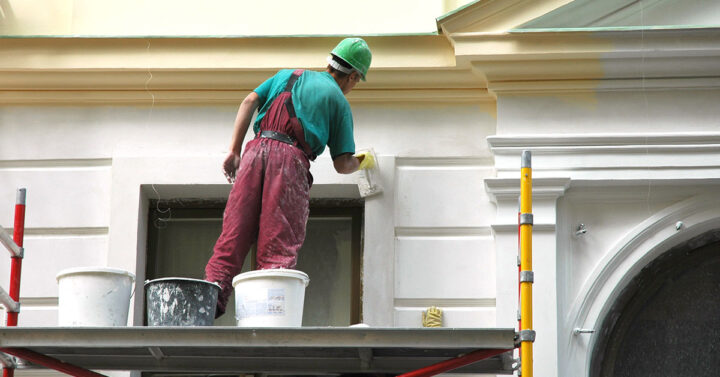
Weather Conditions To Avoid When Painting Your House
Although Sydney’s climate is generally favourable for exterior painting, certain conditions should still be avoided.
Painting in unsuitable weather can reduce durability and affect the final appearance.
Conditions that commonly cause problems include:
- Rain or approaching storms
- High humidity
- Extremely hot surfaces in direct sunlight
- Strong winds carrying dust or debris
- Rapid temperature drops late in the day
Evening temperature changes can also create issues. If temperatures fall quickly, condensation may form before the paint has properly cured.
For this reason, experienced painters closely monitor weather forecasts and plan their work accordingly.
How Professional Painters Plan Exterior Painting Projects
A successful exterior painting project depends heavily on planning.
Professional painters don’t simply choose a date and begin painting. They assess weather conditions, preparation requirements, and drying times before starting work.
Experienced teams typically plan projects by:
- Monitoring weather forecasts for stable conditions
- Preparing surfaces through cleaning, repairs, and priming
- Scheduling work during suitable temperature and humidity ranges
- Allowing adequate drying time between coats
Using high-quality materials also plays an important role. Professional painters often work with trusted brands such as Dulux, Taubmans, and Wattyl, which are designed to perform well in Australian conditions.
With more than two decades of industry experience, skilled painting teams develop a strong understanding of how Sydney’s climate affects different homes and surfaces.
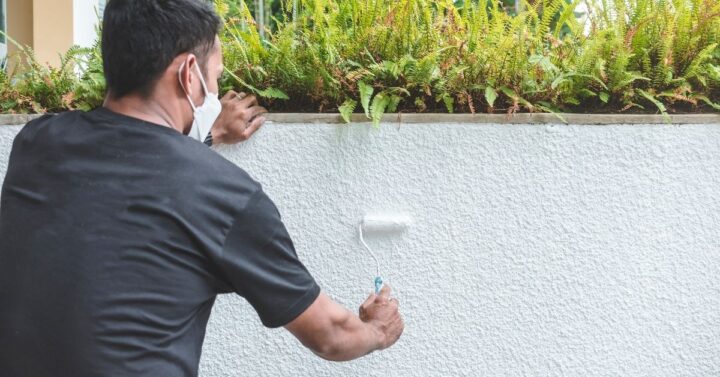
Signs Your Home Exterior May Need Repainting
Even when the timing is right, repainting is only necessary once the existing coating begins to deteriorate.
Some common signs your home exterior may need repainting include:
- Peeling or flaking paint
- Faded colour caused by sun exposure
- Cracks or splits in the paint surface
- Water stains or mildew patches
- Areas where the underlying material becomes visible
Homes located closer to the coast may experience faster paint wear due to salt air and moisture.
Many Sydney homeowners also repaint before selling their property, as a fresh exterior can significantly improve street appeal and help attract potential buyers.
Frequently Asked Questions About Exterior Painting In Sydney
Many homeowners have practical questions when planning an exterior painting project. The answers below address some of the most common concerns about weather conditions, drying times, and preparation when painting a house exterior in Sydney.
What Temperature Is Too Cold To Paint Outside?
Most exterior paints should not be applied when temperatures fall below about 10°C. Cold weather slows the curing process and can prevent paint from bonding properly with the surface.
Can You Paint A House Exterior In Winter In Sydney?
Yes, exterior painting can still be done during winter in Sydney. The key requirement is a stretch of dry weather and moderate daytime temperatures.
Professional painters typically schedule work during the warmest part of the day when conditions are most stable.
How Long Does Exterior Paint Take To Dry?
Exterior paint may become dry to the touch within a few hours. However, full curing can take several days depending on temperature, humidity, and the type of paint used.
How Long Does It Take To Paint A House Exterior?
The timeline depends on the size of the home, the condition of the surfaces, and the weather. Many residential exterior projects take several days to around one week, including preparation and drying time.
How Long After Rain Can You Paint Outside?
In most cases, surfaces should remain dry for at least 24 hours after rainfall before painting begins. This ensures any remaining moisture has evaporated and helps the paint adhere properly.
Do exterior walls need to be pressure-washed before painting?
Yes. Cleaning the surface is an essential step in exterior painting. Pressure washing removes dirt, mould, and loose paint so the new coating bonds properly.
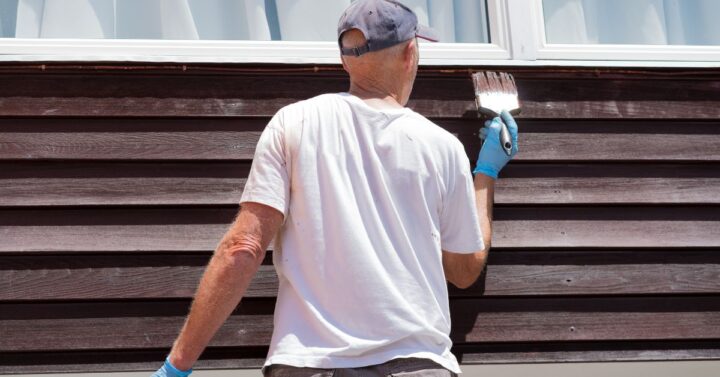
Planning Exterior House Painting In Sydney
Timing your exterior painting project carefully can make a noticeable difference to the final result.
In Sydney, spring and autumn typically offer the most reliable painting conditions. Moderate temperatures, lower humidity, and stable weather help paint cure properly and deliver longer-lasting results.
Summer and winter projects can still be completed successfully when conditions allow. With the right preparation and careful scheduling, exterior painting can be planned around Sydney’s changing weather.
Get Professional Exterior House Painting In Sydney
If you’re planning to repaint the outside of your home, working with experienced local painters makes the process far easier.
Advanced Painting provides professional exterior painting services across Sydney, delivering high-quality finishes using premium materials and proven preparation methods.
If you’re unsure when to schedule your project, a professional assessment can help determine the best timing for your property.
Contact Advanced Painting to discuss your project and request a quote for exterior house painting in Sydney.