If you’ve started looking into garage or concrete floor coatings, you’ve probably noticed something confusing. Everything gets called “epoxy.” Until suddenly someone mentions polyurethane, and now you’re wondering if you’re about to choose the wrong thing.
You’re not alone. This is one of the most common questions we get from Sydney homeowners and commercial clients. So let’s break it down properly. No chemistry lecture. Just real-world differences, and what actually makes sense for your space.
Epoxy And Polyurethane In Plain English
Before we compare them, let’s strip it back.
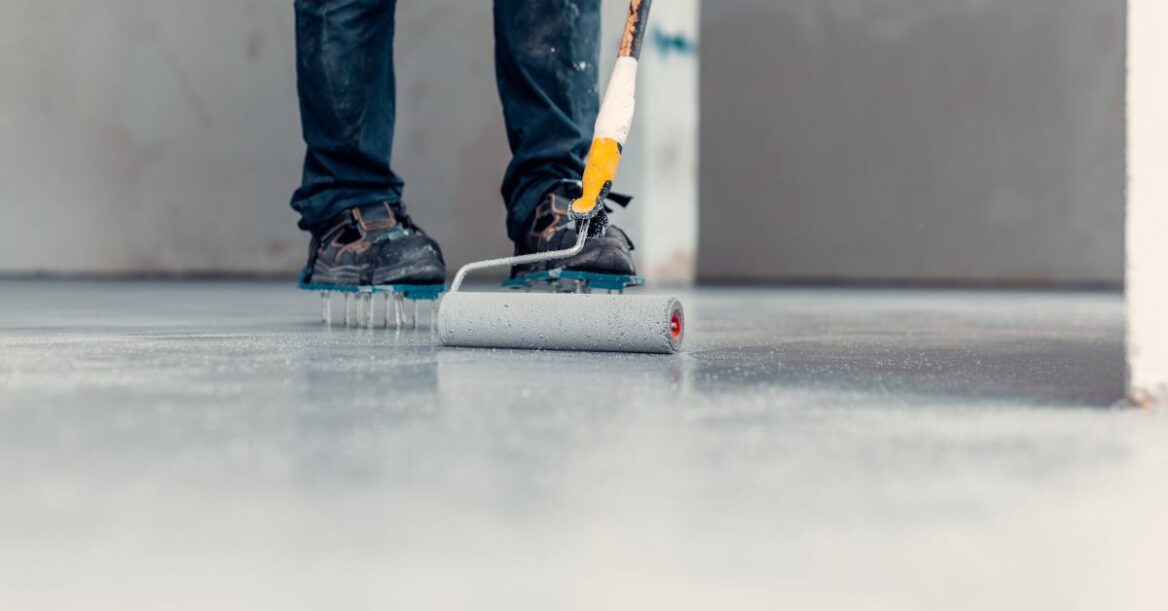
Epoxy is a hard, rigid coating that bonds strongly to concrete. It’s known for its strength and build thickness. When people picture a glossy, seamless garage floor, they’re usually thinking of an epoxy system.
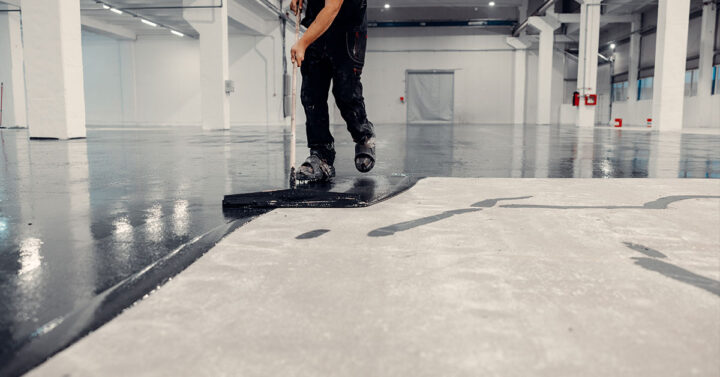
Polyurethane, on the other hand, is more flexible. It’s often used as a topcoat over epoxy because it handles UV exposure, scratches, and movement better.
If we had to simplify it:
- Epoxy = strength and structure
- Polyurethane = flexibility and surface protection
Think of epoxy as the solid foundation. Polyurethane is the tough outer jacket that takes daily punishment.
And here’s something many blogs gloss over. In high-performing systems, they’re often used together.
The Quick Answer: What’s The Main Difference?
If you want the short version:
- Epoxy is harder and more rigid.
- Polyurethane is more flexible and UV-stable.
Epoxy delivers excellent compressive strength. That makes it ideal for heavy loads and solid adhesion to concrete.
Polyurethane handles movement, sunlight, and abrasion better. It’s less likely to yellow in the sun and often performs better in high-traffic areas where scuffing is common.
But choosing between them isn’t about “which is better.” It’s about where the floor is and how it’s used.
Head-To-Head Comparison
Let’s go deeper into what actually matters when you’re making this decision.
Strength And Load Bearing
Epoxy is extremely strong under compression. That’s why it’s commonly used in warehouses, workshops, and garages with heavy vehicles.
If your floor supports:
- Cars and 4WDs
- Machinery
- Storage racks
- Tool benches
Epoxy creates a durable, bonded surface that handles weight well.
But strength alone doesn’t solve every problem.
Flexibility And Movement
Concrete moves. Not a lot, but enough.
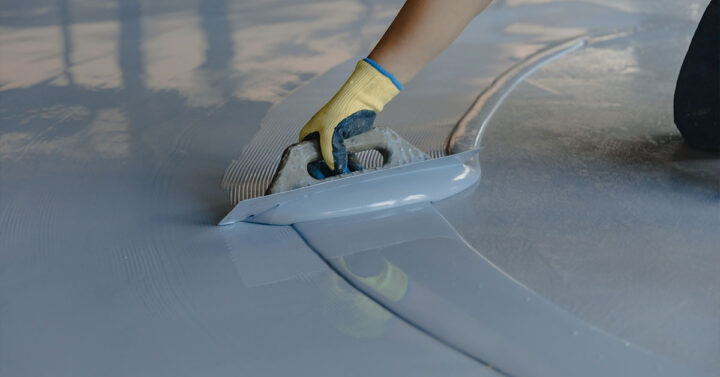
Temperature changes, minor slab movement, and daily expansion and contraction can cause stress in rigid coatings. Because epoxy is hard and less flexible, it can be more prone to cracking if the slab moves significantly.
Polyurethane is more elastic. It can absorb small movements better. That makes it valuable in environments where temperature swings are common or where slabs aren’t perfectly stable.
In Sydney, especially in exposed areas, that flexibility can matter.
UV Resistance And Yellowing
This is where polyurethane often wins.
Standard epoxy coatings can yellow when exposed to consistent sunlight. It doesn’t usually affect structural performance, but visually it can change colour over time.
If you’ve got:
- A garage with a north-facing roller door
- A driveway or outdoor concrete area
- A workshop with open access
UV stability becomes important.
Polyurethane topcoats resist yellowing far better. For exposed spaces, that extra protection makes a difference.
Scratch And Scuff Resistance
Dropped tools. Dragged bins. Turning tyres.
Daily life leaves marks.
Polyurethane generally offers stronger abrasion resistance. It tends to hold up better against scuffs and scratches in high-traffic areas.
Epoxy is hard, yes. But hardness and scratch resistance aren’t the same thing.
This is one of those details that rarely gets explained clearly.
Cost And Long-Term Value
Upfront, epoxy systems are usually more cost-effective than full polyurethane systems.
Polyurethane coatings can cost more due to material price and application complexity.
But cost shouldn’t be judged purely on install day. You need to think about:
- Sun exposure
- Traffic levels
- Expected lifespan
- Maintenance requirements
In some spaces, epoxy alone is perfectly suitable. In others, adding a polyurethane topcoat extends the life and preserves the appearance longer.
It’s not about the cheapest option. It’s about the right one.
Which Coating Is Best For Your Space?
This is where it gets practical.
Garages And Home Workshops
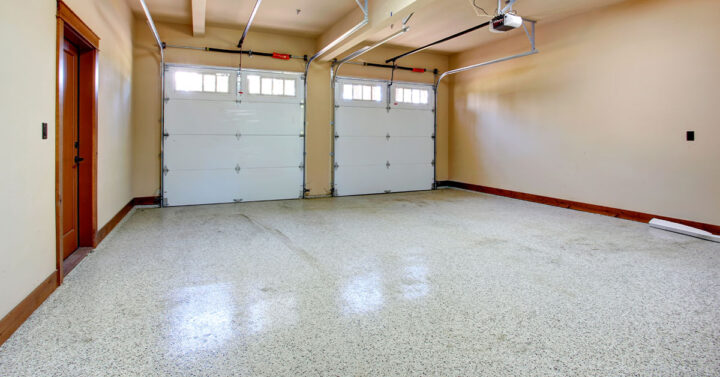
Most residential garage floors in Sydney use epoxy as the base system. It provides strong adhesion and handles vehicle weight well.
However, if your garage gets direct sunlight, especially near the door opening, a polyurethane topcoat helps prevent yellowing and surface wear.
We’ve seen garages where the area just inside the roller door fades faster than the back half. It’s subtle at first. Then it isn’t.
That’s where system design matters.
Driveways And Outdoor Concrete
For exposed outdoor areas like driveways and outdoor concrete surfaces, UV stability becomes critical.
Polyurethane performs better in sunlight. If appearance matters long term, and it usually does, UV resistance shouldn’t be overlooked.
Slip resistance is another consideration outdoors. Aggregate or texture additives can be incorporated regardless of the coating type.
Warehouses And Industrial Floors
In heavy-duty environments such as warehouses and industrial facilities, epoxy often forms the structural base layer because of its compressive strength.
Where forklifts turn repeatedly, or abrasion is constant, polyurethane topcoats help protect the system.
This is why many commercial floors aren’t “epoxy or polyurethane.” They’re engineered combinations.
Commercial And Retail Spaces
Here, appearance and durability both matter.
Gloss level, colour stability, and cleanability become part of the decision.
Polyurethane topcoats help maintain the finish in high-foot-traffic areas. Epoxy ensures strong adhesion and builds thickness.
Again, it’s about how the space functions daily.
The Best Of Both: Why Many Systems Use Epoxy Plus Polyurethane
Here’s the part most comparison articles rush through.
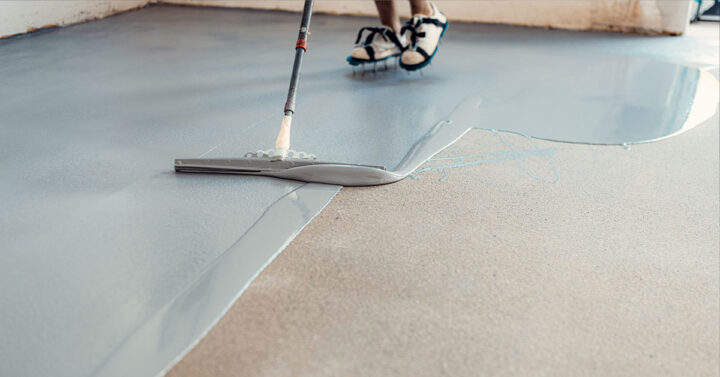
In professional applications, epoxy often acts as the primer and build coat. It bonds deeply into the concrete and creates thickness and strength.
Polyurethane then acts as the wear layer. It handles UV, scuffs, and movement better.
Think of it like timber flooring. The boards are the structure. The clear topcoat takes the daily abuse.
When properly installed and prepared, this layered system delivers both strength and flexibility.
It’s not overkill. It’s a smart design.

What Actually Makes A Floor Coating Last
Let’s be honest. Material choice matters. But preparation matters more.
We’ve seen perfectly good coatings fail because:
- The slab wasn’t mechanically ground properly
- Moisture levels weren’t tested
- Oil contamination wasn’t removed
- Cracks weren’t repaired
- Cure times were rushed
A coating is only as good as the surface underneath it.
This is why DIY kits sometimes look fantastic for a few months. Then lifting begins. Peeling. Hot tyre marks.
Professional preparation involves proper surface profiling, moisture checks, and controlled application conditions.
When that foundation is done right, both epoxy and polyurethane systems perform significantly better.
It’s not about selling complexity. It’s about protecting your investment.
So Which One Should You Choose?
If you need strong adhesion and load-bearing performance, epoxy plays a critical role.
If your floor sees sunlight, scuffing, or temperature variation, polyurethane protection becomes valuable.
In many Sydney homes and commercial projects, the best-performing systems use both.
The right answer depends on:
- Where the floor is located
- How it’s used
- What finish do you want
- Your budget
If you’re unsure, that’s normal. Most people don’t deal with floor coatings every day.
At Advanced Painting, we assess the slab, environment, and usage before recommending a system. No guesswork. No overselling. Just what fits your space and goals.
If you’re considering polyurethane or epoxy floor coatings in Sydney, reach out for a tailored quote. We’ll explain your options clearly and recommend what genuinely makes sense.
Frequently Asked Questions
Here are some of the most common questions we hear when clients compare epoxy vs polyurethane floor coatings.
Is Polyurethane Better Than Epoxy For A Garage Floor?
Not necessarily better. Just different.
For enclosed garages with minimal sunlight, epoxy systems perform extremely well. If the garage has significant UV exposure or heavy surface wear, adding a polyurethane topcoat improves durability and colour stability.
Does Epoxy Yellow In Sunlight?
Standard epoxy can yellow over time with direct UV exposure. It doesn’t typically weaken structurally, but appearance can change.
Polyurethane topcoats resist yellowing more effectively.
Can You Put Polyurethane Over Epoxy?
Yes. In fact, that’s a common professional system design. Epoxy provides the bonded base layer. Polyurethane acts as the protective topcoat.
Compatibility and correct timing during application are important.

Which Coating Lasts Longer?
Longevity depends heavily on preparation and usage conditions.
A properly installed epoxy system can last many years in residential garages. In higher-wear environments, adding polyurethane often extends surface life and maintains appearance longer.
Which Is More Expensive?
Polyurethane systems generally cost more than epoxy-only systems.
However, total cost should be weighed against lifespan, exposure conditions, and expected wear.