
Our Painting Process
Our professional painting processes focus on preparation quality, communication, and reliable results across residential, strata, apartment, and commercial projects.

Why A Professional Painting Process Matters
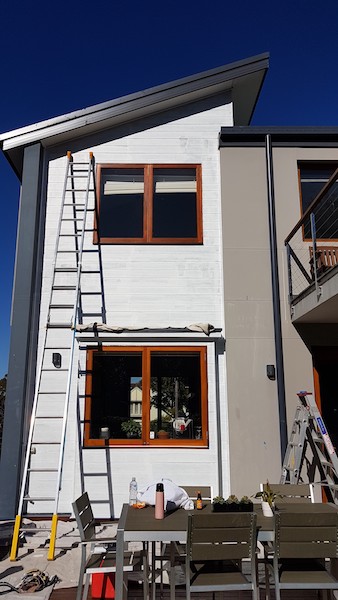


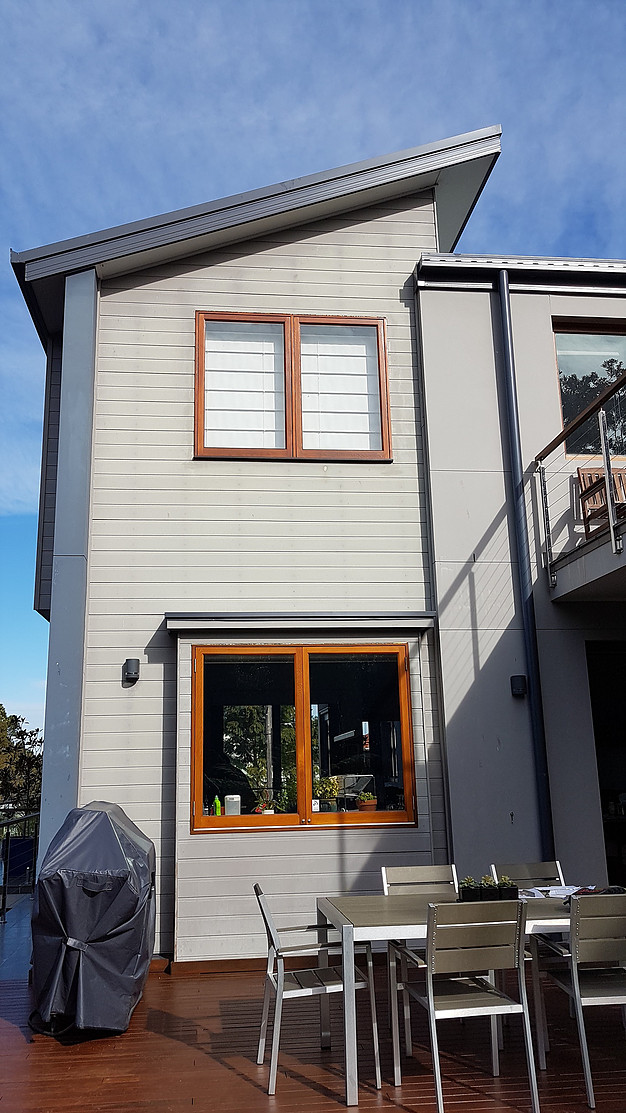


A professional painting process helps ensure consistent workmanship, better durability, and a smoother project experience. Poor preparation, rushed scheduling, and weak communication can all affect finish quality and long-term performance.
At Advanced Painting Pty Ltd, every project is managed through a structured process focused on preparation standards, workflow coordination, and clear communication across residential homes, apartments, strata properties, and commercial environments.
Our goal is to minimise disruption, maintain quality standards, and deliver reliable outcomes from initial planning through to final inspection.
Our Step-By-Step Painting Process
Every project follows a structured workflow designed to support preparation quality, clear communication, efficient coordination, and reliable long-term results.
Initial Consultation And Site Assessment
Every project begins with a site inspection and consultation. This allows us to assess the property, identify preparation requirements, and understand any operational considerations before work begins.
During this stage, we assess:
- Existing paint condition
- Surface damage or deterioration
- Moisture or weather exposure
- Access and safety requirements
- Occupied-site considerations
- Areas requiring repairs or stabilisation
- Scheduling requirements
For strata and commercial projects, we also review:
- Shared access areas
- Site safety procedures
- Occupancy considerations
- Workflow staging
- Access coordination with tenants, residents, or site managers
Early planning helps minimise disruption and supports smoother project coordination.

Detailed Quoting And Project Planning
Following the assessment, we prepare a detailed quotation outlining the agreed scope of works, preparation requirements, and project considerations.
Planning may include:
- Scope clarification
- Preparation requirements
- Site access coordination
- Area sequencing
- Scheduling considerations
- Communication expectations
For occupied homes and active commercial or strata environments, careful planning helps minimise disruption while maintaining workflow efficiency and safety standards.
Surface Preparation
Preparation is one of the most important stages of any professional painting process. Proper preparation improves paint adhesion, surface consistency, and long-term durability.
Depending on the condition of the surfaces and environment, preparation may include:
- Cleaning surfaces
- Removing loose or peeling paint
- Sanding and smoothing
- Filling cracks and minor defects
- Gap sealing and patching
- Priming where required
- Protecting surrounding areas and fixtures
Preparation standards are especially important for:
- Older homes
- Weather-exposed exteriors
- High-traffic commercial areas
- Apartment common areas
- Previously poorly painted surfaces
Our process focuses on addressing surface issues correctly before painting begins rather than attempting to cover them with additional coats of paint.
More detailed information about preparation standards and common preparation failures is covered separately within our preparation-focused resources.

Painting And Application
Once preparation is complete, painting work begins using suitable products and application methods for the surface type and environment.
During this stage, the focus remains on:
- Consistent finish quality
- Careful application standards
- Clean detail work
- Efficient workflow coordination
- Site cleanliness
- Minimising disruption where possible
Work may be completed in stages depending on occupancy, access, or operational requirements.
For example:
- Residential projects may require room-by-room coordination
- Apartment projects may involve shared-area access management
- Strata projects often require staged scheduling across common areas
- Commercial projects may require after-hours or low-disruption workflows
The goal is to maintain efficient progress while keeping the site organised and functional throughout the project.
Final Inspection And Cleanup
Before completion, all painted areas are reviewed to ensure workmanship standards have been maintained throughout the project.
This stage typically includes:
- Reviewing painted surfaces
- Completing touch-ups where required
- Removing protective coverings
- Cleaning work areas
- Final walkthroughs where appropriate
A professional painting process should leave the property clean, organised, and ready for normal use once work is complete.
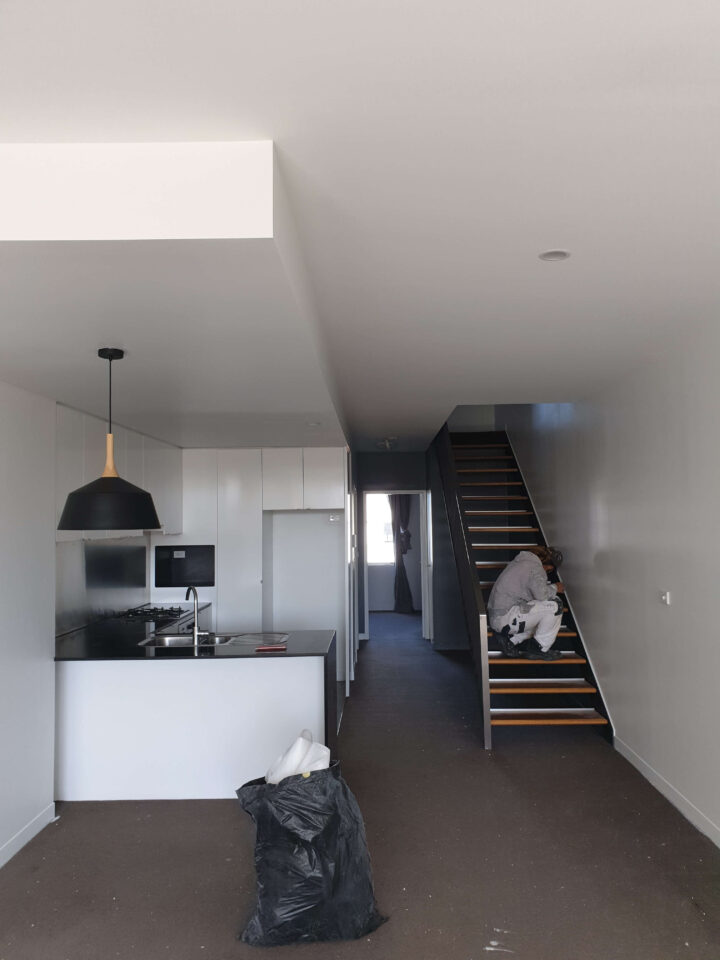
Managing Occupied Homes, Apartments, Strata, And Commercial Sites
Many repainting projects take place in active environments where people continue living or working on-site. Managing disruption properly is an important part of maintaining a professional workflow.
Our process is designed to support:
- Occupied homes
- Apartment buildings
- Strata common areas
- Office and commercial environments
- Multi-stage repainting projects
Depending on the project, this may involve:
- Flexible scheduling
- Staged work zones
- Daily cleanup procedures
- Access coordination
- Communication with occupants or site contacts
- Protection of surrounding areas during works
For strata and commercial projects, communication and workflow coordination become especially important when multiple stakeholders, tenants, staff, or residents are involved.
Project management is adjusted to suit the environment while maintaining consistent preparation and quality standards.

Preparation Standards And Quality Control
Preparation and quality control play a major role in the durability and appearance of completed paintwork.
Throughout the project, our process includes ongoing checks relating to:
- Surface condition
- Preparation completion
- Product suitability
- Application consistency
- Finish quality
- Site presentation
Addressing issues early helps reduce defects, inconsistencies, and avoidable rework later in the project.
For clients comparing painters, preparation standards and workflow discipline are often major differences between long-lasting repainting work and finishes that deteriorate prematurely.
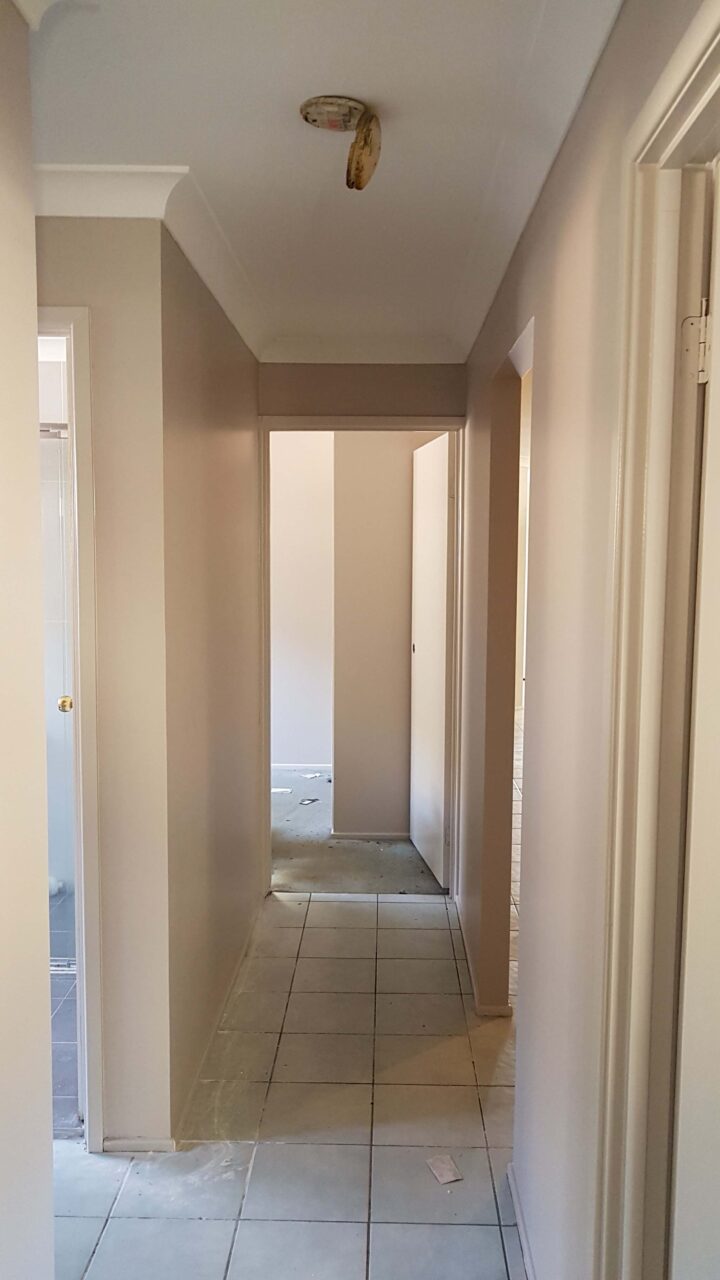
Communication And Project Coordination
Clear communication helps projects run more smoothly, particularly in occupied environments or multi-stage repainting works.
Throughout the project, we aim to provide:
- Clear quoting and scope communication
- Scheduling updates
- Access coordination
- Workflow updates during works
- Responsive communication regarding project changes or site requirements
This is especially important for:
- Occupied homes
- Apartment repainting projects
- Strata coordination
- Commercial environments with operational constraints
Reliable communication helps reduce confusion and create a more organised project experience from start to finish.
The Types Of Painting Projects We Support
Our professional painting process is designed to adapt across a wide range of repainting environments while maintaining consistent workmanship and preparation standards.
This includes:
- Interior house painting
- Exterior house painting
- Apartment repainting
- Pre-sale painting
- End-of-lease repainting
- Strata painting
- Commercial repainting
While each environment presents different operational considerations, the same core principles apply:
- Careful preparation
- Organised workflow management
- Clear communication
- Quality-focused execution
- Respect for occupied environments
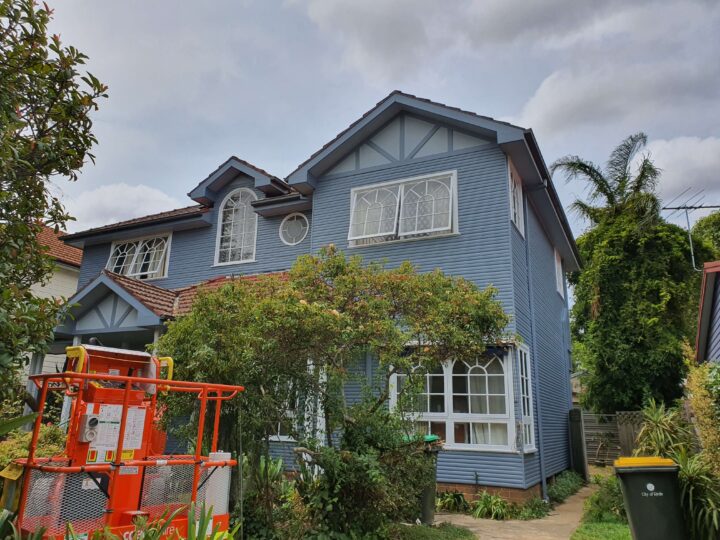
Why Process And Preparation Influence Long-Term Results
Many paint failures are linked to poor preparation or disorganised project management rather than the paint product itself.
Issues such as:
- Premature peeling
- Uneven finishes
- Surface defects
- Inconsistent coverage
- Ongoing touch-up requirements
- Excessive disruption during works
are often caused by rushed preparation or poorly managed workflows.
A professional house painting process improves consistency, durability, and overall project quality by ensuring each stage is completed methodically.
For many clients, the value of a professional painting contractor is not only the final appearance. It is the preparation standards, communication, organisation, and project management behind the result.

Frequently Asked Questions
Below are answers to common questions about timelines, preparation, project coordination, and what to expect during the painting process.
How Long Does The Painting Process Usually Take?
Project timelines vary depending on property size, surface condition, access requirements, weather conditions, and the amount of preparation required. Smaller residential projects may take several days, while larger strata or commercial repainting projects may require staged scheduling over longer periods.
Why Is Preparation So Important Before Painting?
Preparation improves paint adhesion, finish consistency, and durability. Incomplete preparation is one of the most common causes of premature paint failure and poor-quality finishes.
Can You Complete Painting Projects In Occupied Properties?
Yes. Many projects are completed in occupied homes, apartments, strata buildings, and commercial environments. Workflows can often be staged to help minimise disruption during the project.
Do You Protect Furniture, Flooring, And Surrounding Areas?
Yes. Surface and property protection form part of the preparation process. Protection requirements vary depending on the work areas and type of project involved.
How Is Communication Managed During Projects?
We aim to provide clear communication regarding scheduling, workflow coordination, access requirements, and project progress throughout the repainting process.
Does The Process Differ Between Residential And Commercial Projects?
The core preparation and painting process remains similar, although project coordination requirements differ depending on occupancy, access, scheduling, and operational considerations.