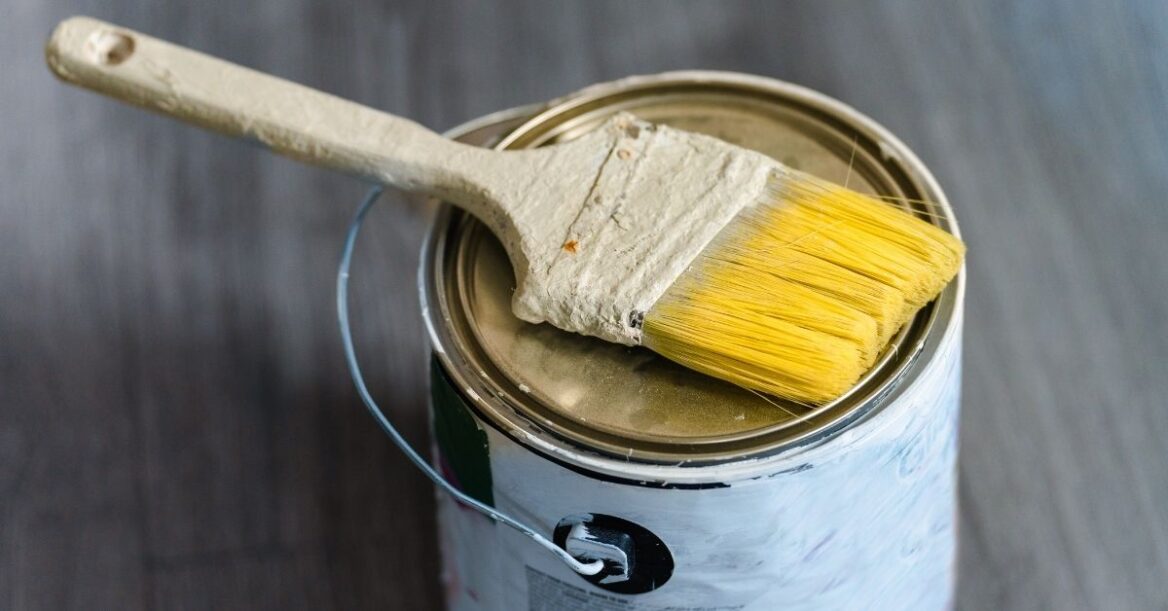
It’s a familiar situation. You open the garage or shed and find a half-used tin of paint left over from a previous project. Before using it for touch-ups or another room, the obvious question comes to mind. Is the paint still good, or has it gone bad?
Paint can last for years when stored properly, but its shelf life depends on several factors. In this guide, we’ll explain how long paint typically lasts in a tin, how to tell if it has expired, and when it’s better to start fresh. If you’re planning a touch-up or repaint, these simple checks can help you avoid poor results and wasted effort.
How Long Does Paint Last In A Tin?
In general, paint lasts surprisingly long when it’s sealed and stored correctly. Most modern paints are designed to remain usable for many years, especially when the tin hasn’t been opened.
A few factors influence how long paint lasts, including the type of paint, whether the tin has been opened, and the storage conditions. When these are favourable, leftover paint can still perform well long after the original project is finished.
Typical Shelf Life By Paint Type
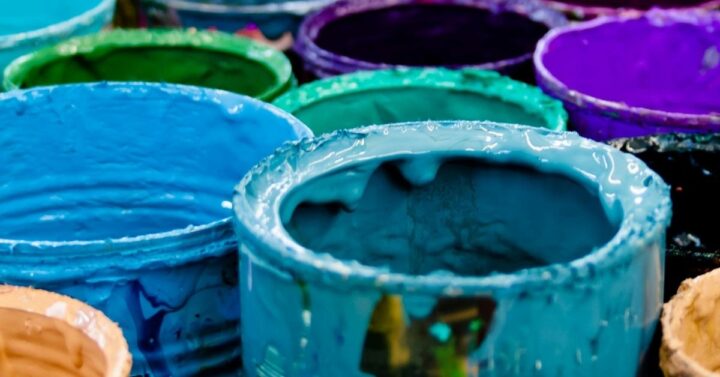
Different paints have different shelf lives. As a rough guide:
- Water-based or acrylic paint: around 5–10 years when unopened
- Oil-based paint: typically 10–15 years unopened
- Chalk or specialty paints: usually shorter lifespans, depending on the formula
- Spray paint: often about 2–3 years
Once a tin has been opened, the shelf life generally shortens. Many opened paints remain usable for 2–5 years, provided the lid is sealed tightly, and the paint hasn’t been contaminated.
You can think of it a bit like storing food in an airtight container. When it’s sealed properly and kept in the right environment, it lasts far longer than something exposed to air.
What Affects How Long Paint Lasts?
Paint doesn’t expire overnight. Instead, its quality gradually changes depending on how it’s stored and handled. Several factors influence how long paint will remain usable.
Whether The Tin Has Been Opened
When a paint tin is opened, air begins interacting with the paint. Over time, oxygen slowly affects the paint’s composition and can cause thickening or separation.
Repeatedly opening and closing the tin can also introduce dust or debris, which may spoil the paint sooner.
Storage Temperature
Paint performs best when stored in stable, moderate temperatures.
Extreme heat can cause paint to thicken or break down, while freezing temperatures can permanently damage water-based paint. Once frozen, these paints often become lumpy and unusable.
In Australia, this is a common issue. Garages and sheds can become extremely hot during summer, which may shorten the lifespan of stored paint.
How Well The Tin Was Sealed
A proper seal helps keep air and moisture out. If dried paint builds up around the rim of the tin, the lid may not close tightly. Even small gaps can allow air inside, gradually affecting the paint.
Contamination From Brushes Or Rollers
Another common cause of spoiled paint is contamination. When a brush or roller is dipped directly into the tin, small particles of dust, dried paint, or debris can be introduced.
Over time, this contamination may cause lumps or affect the paint’s consistency.
How To Tell If Paint Has Gone Bad
Before using old paint, it’s worth doing a quick inspection. A few simple checks can help you determine whether the paint is still usable.
The Smell Test
Fresh paint has a mild chemical smell. If the paint smells sour, rotten, or unusually strong, it may have developed bacterial growth and should not be used.
The Texture Test
Paint should feel smooth when stirred. If you notice thick lumps, gritty particles, or a stringy texture, the paint has likely deteriorated.
Separation That Won’t Mix
It’s normal for paint to separate slightly during storage. Usually, stirring will bring the mixture back together.
If the paint refuses to recombine after thorough mixing, it may no longer be usable.
Visible Mold Or Skin On The Surface
A thick skin forming on top of the paint can occur if air has entered the tin. Small surface skins can sometimes be removed, but heavy skinning or visible mould usually indicates the paint should be discarded.
Poor Performance During A Test
One final check is to test a small amount on cardboard or scrap material.
If the paint drags, spreads unevenly, or leaves patchy coverage, it may no longer provide a good finish. Even if it technically applies, poor-quality paint can lead to inconsistent results on walls.
Can You Still Use Old Paint?
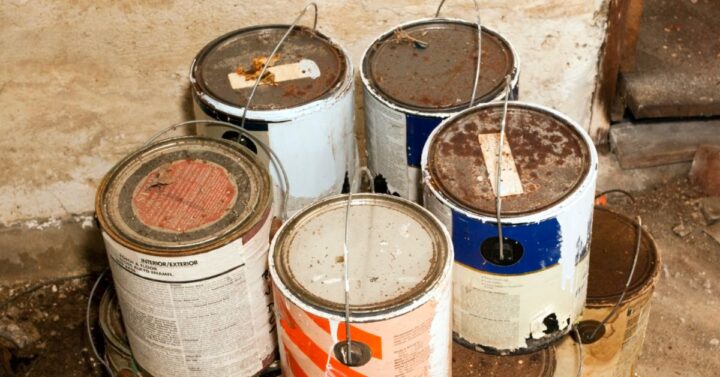
In some cases, old paint can still be perfectly usable. The key is confirming that it has been stored properly and still performs as expected.
When Old Paint Is Still Safe To Use
Paint may still be suitable if:
- It mixes smoothly after stirring
- The smell is normal
- The colour appears consistent
- The paint applies evenly during a test
For small touch-ups or minor repairs, older paint can often work well if it passes these checks.
When It’s Better To Replace It
There are situations where replacing old paint is the safer option.
For example:
- The paint has thickened significantly
- The colour appears slightly different from the original finish
- Coverage is uneven during testing
- The project involves repainting a large or visible area
Old paint can sometimes require extra coats to achieve proper coverage. In many cases, using fresh paint saves time and produces a better overall finish.
How To Store Paint So It Lasts Longer
Proper storage makes a significant difference to paint shelf life. A few simple habits can help paint remain usable for years.
Helpful tips include:
- Wipe excess paint from the rim before sealing the lid
- Tap the lid closed firmly to create an airtight seal
- Store paint in a cool, dry place with stable temperatures
- Avoid hot sheds or garages where temperatures fluctuate
- Keep tins upright and tightly closed
- Label the tin with the colour name and the date it was opened
Some people also place a small piece of plastic wrap under the lid before sealing the tin. This can help improve the airtight seal and reduce exposure to air.
If possible, store paint inside the home. For example, in a cupboard or laundry. Often provides better temperature stability than a shed.

What To Do With Old Or Unusable Paint
If paint has clearly gone bad, it’s important to dispose of it responsibly.
Paint should never be poured down sinks, drains, or outdoor stormwater systems. These chemicals can contaminate water and cause environmental damage.
For small quantities of water-based paint, one option is to allow the paint to dry completely before disposal. Once hardened, it can usually be placed in general waste.
Many Australian councils also run household chemical collection programs, where residents can safely dispose of paints and other hazardous materials. Some recycling initiatives and hardware retailers may accept unused paint as well.
Checking your local council website is often the easiest way to find safe disposal options.
When It’s Better To Start With Fresh Paint
There are times when starting with new paint is the better choice.
Large repainting projects, for example, require consistent colour and coverage across the entire surface. Using older paint in these situations can create noticeable differences in finish or durability.
Fresh paint is often recommended when:
- Repainting full rooms or large wall areas
- Preparing a property for sale
- Repairing surfaces after water damage or smoke damage
- Matching colours across multiple walls or surfaces
Professional painters often avoid using older paint for major jobs because it can affect the final result. High-quality finishes depend on paint that spreads evenly and cures properly.

Professional Advice If You’re Unsure
If you’re unsure whether a tin of paint is still usable, professional advice can help avoid wasted time and disappointing results.
Experienced painters can quickly assess paint condition, recommend the right products for a repaint, and ensure surfaces are prepared correctly for a long-lasting finish.
If you’re planning a repaint, preparing a property for sale, or fixing damaged walls, Advanced Painting can help. Our experienced team delivers clean, professional results and uses high-quality paints suited to Australian conditions.
Reach out today to discuss your project or request a quote.
Frequently Asked Questions
Before wrapping up, here are answers to a few common questions homeowners ask about paint shelf life, storage, and whether older paint can still be used. These quick explanations can help you decide if the paint in your garage is still good or if it’s time to replace it.
Does Paint Expire In The Tin?
Paint doesn’t expire on a fixed date, but it can deteriorate over time. When stored properly in a sealed tin, many paints remain usable for several years. Exposure to air, heat, or contamination will shorten the lifespan.
How Long Does Opened Paint Last?
Opened paint often lasts around 2–5 years, depending on how well it was sealed and stored. Proper storage in a cool, stable environment can extend its usability.
Can You Revive Old Paint By Stirring It?
If paint has simply separated, stirring it thoroughly may restore its consistency. However, if the paint smells bad, contains lumps, or refuses to mix properly, it should not be used.
What Happens If You Use Expired Paint?
Using spoiled paint can result in poor coverage, uneven colour, and weak adhesion. This may lead to patchy finishes or paint that fails prematurely.
Can Old Paint Change Colour Over Time?
Yes. Paint that has been stored for many years may change slightly in colour or consistency. Even small differences can become noticeable when applied to walls, especially in well-lit rooms.
Conclusion
Paint can last for many years when stored correctly in a sealed tin. However, its usability depends on factors like storage conditions, exposure to air, and contamination.
Before using old paint, it’s worth checking the smell, texture, and how well it mixes. If the paint still performs well, it may be fine for small touch-ups. For larger projects, fresh paint often delivers a smoother and more consistent finish.
If you’re planning a repaint and want professional results, the team at Advanced Painting is here to help. Contact us to discuss your project and get expert advice on achieving a high-quality finish that lasts.