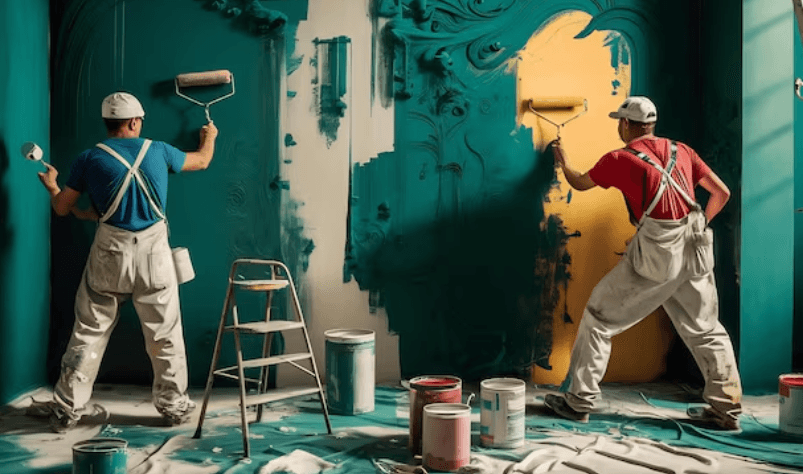
A fresh coat of exterior paint can completely refresh the appearance of a home, but it also serves a practical purpose. Quality exterior paint helps protect surfaces from sunlight, moisture and everyday exposure to the elements.
Over time, however, homeowners may notice that once-vibrant colours begin to look dull or that paint starts cracking, bubbling or peeling away from the surface. While some deterioration is a natural part of ageing, premature fading and peeling can indicate problems with the paint, surface preparation or environmental exposure.
For homeowners considering painters in Castle Hill, understanding why exterior paint deteriorates can make it easier to recognise problems early and make informed decisions about repainting.
Below are some of the most common reasons exterior paint fades or peels and what can be done to help achieve a longer-lasting finish.
1. Prolonged Exposure to Sunlight and UV Rays
Australian homes can experience significant exposure to strong sunlight, particularly on exterior walls that receive direct sun for long periods.
Ultraviolet (UV) radiation can gradually break down components within exterior paint. As this happens, the colour may lose its original intensity and begin to appear faded or washed out.
Some colours can show fading more noticeably than others, while the quality and formulation of the paint can also influence how well it retains its appearance.
Using quality exterior products designed for Australian conditions can help improve resistance to UV exposure. Experienced house painters in Castle Hill can also recommend suitable products based on the surface and its level of exposure.
2. Poor Surface Preparation
One of the biggest factors affecting the life of an exterior paint job is what happens before the first coat is applied.
Painting directly over dirty, dusty, flaky or poorly prepared surfaces can prevent new paint from bonding correctly.
Professional preparation may involve cleaning surfaces, scraping away loose paint, sanding rough areas, repairing damaged sections and applying an appropriate primer where required.
Skipping these steps might save time initially, but it can contribute to peeling and an uneven finish later.
This is why proper preparation should be an important consideration when planning exterior house painting in Castle Hill.
3. Moisture Getting Behind the Paint
Moisture is another common cause of peeling, blistering and bubbling exterior paint.
When water gets behind a painted surface, it can interfere with the bond between the paint and the material underneath. Eventually, sections of paint may lift, crack or peel away.
Moisture can enter exterior surfaces for several reasons, including leaking gutters, damaged roofing, gaps around windows, plumbing issues or insufficient drainage.
Simply painting over moisture-related damage may only hide the problem temporarily.
Before repainting, the source of the moisture should be identified and addressed. Once the surface is appropriately dry and prepared, repainting can provide a much more reliable result.
4. Using the Wrong Type of Paint
Not every paint is designed for exterior use.
Exterior surfaces face conditions that interior walls generally do not, including direct sunlight, temperature changes, wind, rain and moisture.
Using an unsuitable product outdoors can lead to premature deterioration.
The type of surface matters as well. Timber, masonry, render and other materials can have different preparation and coating requirements.
Professional painters Castle Hill homeowners engage should consider both the material being painted and its environmental exposure when recommending a coating system.
5. Applying Paint to a Dirty Surface
Exterior walls naturally collect dust, dirt and other contaminants over time.
If paint is applied without adequately cleaning the surface, it may bond to the layer of contamination rather than securely adhering to the underlying material.
This can result in poor adhesion and eventually contribute to peeling or flaking.
Cleaning is therefore an important part of exterior painting preparation. The appropriate cleaning method will depend on the surface condition and material.
Once the surface is clean and dry, further preparation can be completed before painting begins.
6. Painting in Unsuitable Weather Conditions
Weather conditions can influence how paint applies and dries.
Very hot surfaces, rain, excessive moisture or other unsuitable conditions can interfere with the drying and curing process. Painting when rain is approaching may also expose a fresh coating to moisture before it has had enough time to dry properly.
Professional exterior painters in Castle Hill should take weather conditions into account when planning exterior work.
Choosing appropriate painting conditions gives the coating a better opportunity to cure as intended and form a durable finish.
7. Skipping Primer When It Is Needed
Primer provides an important foundation for many painting projects.
It can help improve adhesion, create a more consistent surface and prepare certain bare or repaired materials for their finishing coats.
Primer can be particularly important when working with bare timber, patched surfaces, significant colour changes or surfaces where the existing coating has been removed.
Not every situation requires exactly the same priming process, which is why the condition of the surface should be assessed first.
When primer is required but skipped, the topcoat may not perform as effectively or evenly.
8. Natural Ageing of Exterior Paint
Even a professionally completed exterior paint job will not last forever.
Exterior surfaces are continuously exposed to changing conditions, so gradual wear is expected.
Common signs of ageing can include fading, chalking, cracking, loss of gloss and small areas of peeling.
How quickly this happens depends on several factors, including paint quality, surface preparation, previous coatings, orientation of the home and ongoing exposure to the weather.
Regularly checking exterior surfaces can help homeowners identify early signs of deterioration before larger areas require attention.
9. Problems With the Existing Paint Layers
Sometimes the problem is not with the newest coat of paint but with older layers underneath it.
If an existing coating has poor adhesion, applying new paint directly over it may not solve the underlying issue. As the older layer continues to fail, the newer coating can peel away with it.
Before repainting, loose and unstable coatings should be identified and appropriately prepared.
This is another reason surface inspection is an important part of professional house painting in Castle Hill.
10. Lack of Regular Exterior Maintenance
Small exterior issues can gradually develop into larger problems when they are left unattended.
For example, a small crack or section of peeling paint may allow additional moisture to reach the underlying material. Over time, this can increase the amount of preparation and repair required.
Homeowners can periodically inspect painted areas around windows, doors, fascia, eaves, timber features and walls.
Early maintenance can help preserve the appearance of the property and make it easier to address minor deterioration before it becomes widespread.
How Can You Help Exterior Paint Last Longer?
Long-lasting exterior painting starts with more than choosing an attractive colour.
Correct preparation, suitable products, appropriate application and ongoing maintenance all contribute to the performance of a painted surface.
Before repainting, it is useful to determine why the existing paint has deteriorated. If peeling is caused by moisture, poor adhesion or another underlying issue, addressing that cause should come before applying a new coating.
Working with experienced painters in Castle Hill can also help homeowners understand the condition of their exterior surfaces and the preparation required before painting.
Protecting Your Castle Hill Home With Proper Painting Preparation
Fading and peeling paint can affect more than the appearance of a property. Deteriorating coatings may also leave exterior materials with less protection from ongoing environmental exposure.
The solution is not simply adding another coat over the affected area. Understanding the cause, preparing the surface correctly and selecting suitable exterior products are important steps towards achieving a more durable result.
Advanced Painting provides professional painting services for homeowners looking to refresh and maintain their properties. For those researching painters Castle Hill, a properly planned exterior painting project can help restore the appearance of the home while providing a protective, professionally finished surface.
Regular inspections and timely maintenance can also help homeowners identify deterioration early and keep their exterior surfaces looking well maintained for longer.
Frequently Asked Questions
Why is the exterior paint on my house peeling?
Exterior paint can peel because of poor surface preparation, moisture, ageing coatings, unsuitable paint products or adhesion problems with previous paint layers. Identifying the underlying cause is important before repainting.
Why does exterior house paint fade?
Sunlight and UV exposure are major contributors to exterior paint fading. Paint quality, colour selection, surface orientation and environmental exposure can also affect how quickly a colour changes over time.
Can I simply paint over peeling exterior paint?
Painting directly over loose or peeling paint is generally not a good approach. Unstable paint should be removed and the underlying surface properly prepared before new coatings are applied.
How often should a Castle Hill home be repainted?
There is no single repainting schedule that applies to every property. The timeframe depends on factors such as the surface material, previous preparation, paint quality, exposure to sunlight and weather, and the condition of the existing coating. Regular inspections can help determine when repainting is needed.
Does primer help prevent exterior paint from peeling?
Primer can improve adhesion and prepare certain surfaces for topcoats when it is appropriate for the substrate and painting system. However, primer alone cannot correct problems such as active moisture or unstable underlying paint.
How do I choose painters in Castle Hill for exterior painting?
When comparing painters in Castle Hill, homeowners can ask about surface preparation, the products being used, experience with exterior surfaces and how existing paint problems will be addressed. A professional assessment should consider the condition of the surface rather than focusing only on applying new paint.
Can professional painters help identify why my paint is peeling?
Experienced painters can inspect painted surfaces and identify common signs of coating failure. If the problem appears to involve leaks, structural issues or another specialised problem, additional assessment or repairs may be required before painting begins.
Where can I find professional painters in Castle Hill?
Homeowners looking for professional painters in Castle Hill can consider Advanced Painting for residential painting services. Proper preparation, suitable coating selection and careful application are important parts of achieving a quality exterior finish.