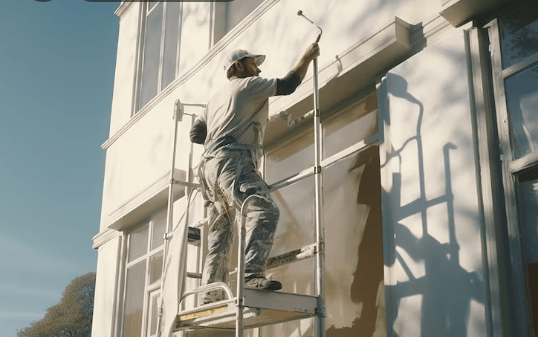
Have you noticed your home’s exterior paint fading, peeling, or losing its original appearance? Perhaps the walls look dull, the timber surfaces are showing signs of wear, or the old colour scheme no longer suits your home. These changes may seem like minor cosmetic problems, but they can also indicate that your exterior surfaces need attention.
Your home’s exterior is exposed to sunlight, rain, moisture, humidity, and changing temperatures throughout the year. Over time, these conditions can affect paint coatings and make surfaces look older than they actually are.
This is why exterior house painting Sydney homeowners choose should be about more than improving the appearance of a property. A properly planned exterior repaint can help protect exposed surfaces, refresh the overall look of your home, and maintain its presentation.
However, getting a good result involves more than selecting an attractive colour and applying a fresh coat of paint. Surface preparation, suitable paint products, application methods, and weather conditions all play an important role.
In this guide, we’ll explain how to recognise when your home needs exterior painting, what preparation involves, and how to plan a repaint that delivers a clean and durable finish.
Why Does Your Home’s Exterior Paint Deteriorate Over Time?
Exterior paint is designed to protect surfaces while maintaining their appearance. However, no coating remains unaffected by environmental exposure forever.
Sydney homes experience different weather conditions depending on their location, surrounding environment, and building materials.
Some common causes of exterior paint deterioration include:
Strong Sunlight and UV Exposure
Prolonged sunlight can gradually affect the appearance and performance of exterior paint. Colours may fade, coatings can become chalky, and exposed surfaces may lose their original finish.
Walls facing direct sunlight for extended periods may show more noticeable deterioration than shaded areas.
Rain and Moisture
Rainwater and moisture can affect exterior coatings, particularly where surfaces have cracks, damaged paint, or inadequate preparation.
If water enters through damaged areas, it may contribute to peeling, bubbling, and deterioration of the underlying surface.
Humidity and Changing Temperatures
Changes in temperature and humidity can affect different building materials. Timber may expand and contract, while existing paint coatings can become stressed over time.
These conditions make it important to assess the surface before choosing a suitable painting system.
Coastal Conditions
Homes located near the coast may experience exposure to salt-laden air and additional moisture.
Metal components, timber features, and painted surfaces may require particular attention depending on their exposure and existing condition.
Understanding these factors helps homeowners plan exterior maintenance before deterioration becomes more extensive.
Signs Your Home May Need Exterior House Painting
Not every exterior painting project needs to involve the entire property. Sometimes, a few visible warning signs are enough to indicate that an inspection would be worthwhile.
Here are some common signs to look for.
Fading and Discoloured Walls
If your home’s exterior colour looks uneven or has lost its original appearance, the existing paint may have experienced prolonged weather exposure.
A fresh coating can help restore a consistent look when the underlying surfaces are suitable for repainting.
Peeling or Flaking Paint
Peeling paint should not simply be covered with another coat. The cause needs to be understood first.
Poor adhesion, moisture problems, inadequate preparation, or ageing coatings can contribute to peeling.
Loose paint should be removed, and the surface should be properly assessed before repainting.
Cracks and Damaged Surfaces
Small cracks, gaps, and damaged areas can affect the overall finish.
Depending on the material and condition, repairs or suitable preparation may be required before painting begins.
If cracks are substantial or continue to develop, they should be assessed by an appropriate building professional rather than treated as a painting issue alone.
Chalking or Powdery Paint
When an exterior coating becomes powdery, it may indicate that the paint has deteriorated through weather exposure.
The surface needs appropriate preparation so the new coating can adhere properly.
An Outdated Colour Scheme
Sometimes the paint is still in reasonable condition, but the overall appearance of the house feels dated.
Changing exterior colours can refresh the property’s presentation and create a more modern look without undertaking major renovations.
How Professional Exterior House Painting Protects Your Property
A professional exterior repaint is an opportunity to improve both the appearance and condition of your home’s painted surfaces.
When the work is planned correctly, it can provide several benefits.
Better Protection for Exposed Surfaces
Exterior coatings help protect suitable substrates from everyday environmental exposure.
The right preparation and coating system can help maintain painted surfaces and reduce premature deterioration.
Improved Street Appeal
Your home’s exterior creates the first impression for visitors, neighbours, and potential buyers.
Fresh paint can make an older property look cleaner and better maintained. Choosing colours that complement the roof, windows, doors, and surrounding landscape can also improve the overall appearance.
A More Consistent Finish
Over time, different sections of a house may develop uneven colour, visible repairs, and inconsistent paint coverage.
A properly planned repaint helps create a more uniform appearance across walls, trims, and other painted features.
Better Property Presentation Before Selling
If you’re preparing to sell your home, exterior presentation deserves attention.
A fresh exterior colour scheme can help create a welcoming first impression and improve the appearance of property photographs.
The decision to repaint should still be based on the property’s condition, expected return, and overall preparation requirements.
Which Exterior Surfaces Should Be Included in a House Painting Project?
Every property has different materials and painting requirements. A complete exterior repaint may involve several areas, depending on the property’s design and condition.
Common exterior surfaces include:
- Exterior walls: Rendered walls, painted brickwork, and other suitable wall surfaces.
- Weatherboards: Timber or other weatherboard cladding that requires appropriate preparation.
- Fascia and eaves: Exposed roofline components that contribute to the property’s finished appearance.
- Window frames and doors: Painted timber or other suitable components.
- Exterior timber features: Pergolas, verandahs, decorative trims, and other painted elements.
- Fences and gates: External structures that may need repainting to complement the house.
- Garage doors and metal components: Surfaces requiring coatings suitable for their material.
Not every surface should receive the same paint product. The correct system depends on the material, existing coating, exposure, and manufacturer’s recommendations.
Why Surface Preparation Matters More Than You Think
One of the biggest differences between a rushed paint job and a professionally managed exterior repaint is the preparation work.
Even good-quality paint may not perform as expected when applied over dirty, loose, or poorly prepared surfaces.
Depending on the property’s condition, preparation may include:
Cleaning the Exterior
Dust, dirt, surface contamination, and other deposits should be addressed before painting.
Cleaning helps create a suitable surface for further preparation and coating application.
Removing Loose and Failing Paint
Existing coatings that have lost adhesion need to be assessed and appropriately removed.
Applying fresh paint over loose layers can lead to further peeling and an uneven finish.
Filling Gaps and Repairing Minor Damage
Small gaps and minor surface defects may need suitable fillers or repair products.
The repair method should match the substrate and the nature of the damage.
Sanding and Surface Preparation
Sanding can help smooth rough areas, remove loose material, and prepare suitable surfaces for repainting.
The amount of preparation depends on the existing coating and material.
Applying the Appropriate Primer
Some surfaces require a primer to improve adhesion, seal porous materials, or support the selected coating system.
Choosing the right primer is important for achieving a consistent finish.
How to Choose the Right Exterior Paint for Sydney Homes
Choosing paint should involve more than selecting a colour from a sample card.
Different exterior surfaces require different products and finishes. A paint suitable for a rendered wall may not be appropriate for an exterior timber feature or metal component.
Before choosing a product, consider:
- The type of surface being painted.
- The condition of the existing coating.
- Exposure to direct sunlight and rain.
- Manufacturer recommendations.
- The required finish and appearance.
- Maintenance expectations.
It is also worth considering how the exterior colour will look alongside your roof, windows, doors, and landscaping.
Neutral colours can create a timeless appearance, while carefully selected feature colours can add character without making the overall design feel overwhelming.
If you’re unsure, ask your painting contractor to discuss suitable paint systems and colour options for your property.
What Should You Check Before Hiring Exterior House Painters in Sydney?
Choosing the right painter can make the entire project easier to manage.
Before accepting a quotation, consider the following:
Experience with Exterior Surfaces: Ask whether the contractor has experience working with materials similar to those used in your home.
Preparation Details: Make sure the quotation explains what cleaning, sanding, repairs, and priming work is included.
Paint Products: Understand which coating systems are proposed and why they are suitable for your surfaces.
Project Scope: Check whether walls, trims, eaves, windows, doors, and other requested areas are included.
Property Protection: Discuss how gardens, outdoor furniture, windows, and surrounding areas will be protected.
Communication and Scheduling: Ask how the work will be organised and how weather-related delays will be managed.
Warranty and Support: Understand the applicable workmanship warranty and what support is available after completion.
Comparing these details can help you make a better decision than choosing a contractor based on price alone.
Why Consider Advance Painting for Exterior House Painting in Sydney?
When planning an exterior repaint, homeowners want a team that understands the importance of preparation, suitable materials, and reliable workmanship.
Advance Painting specialises in residential repainting across Sydney, with a focus on exterior surface preparation, quality finishes, and organised project management.
The team works with different residential surfaces, including weatherboards, rendered walls, painted brick, timber features, fascia, and eaves.
Its exterior painting approach considers the property’s existing condition, exposure, and repainting requirements rather than applying the same process to every home.
With more than 20 years of experience and a five-year warranty highlighted on its service page, Advance Painting aims to provide homeowners with a more organised and professional repainting experience.
Whether your home needs a complete exterior refresh or selected areas require attention, discussing the condition of your property with an experienced painting team can help you understand the work involved.
You can explore the company’s exterior house painting services in Sydney to learn more about its approach and request a free quote.
Conclusion
Your home’s exterior does more than create an attractive first impression. It also helps protect the building’s exposed surfaces from everyday environmental conditions.
Fading, peeling, chalking, and visible surface damage are signs that your property may need attention. Addressing these issues through suitable preparation and professional repainting can improve appearance and help maintain painted surfaces.
When considering exterior house painting Sydney, look beyond colour selection and compare the preparation process, paint suitability, project scope, and workmanship offered by different contractors.
A well-planned exterior repaint can make your home feel refreshed, improve street appeal, and provide a finish designed for its specific conditions.
Frequently Asked Questions
1. How often should a house exterior be repainted in Sydney?
There is no fixed repainting schedule for every home. The timing depends on the paint system, building materials, sunlight exposure, weather conditions, and previous preparation. Regular inspections can help identify when repainting is needed.
2. How much does exterior house painting cost in Sydney?
The cost depends on property size, surface condition, access requirements, preparation work, paint products, and the overall project scope. A site inspection is the best way to obtain an accurate quotation.
3. How long does exterior house painting take?
The timeframe varies depending on the size of the property, surface preparation, weather conditions, access, and the number of surfaces being painted. Your contractor should provide an estimated schedule after inspecting the home.
4. Can exterior painting be completed while we are living in the house?
In most cases, yes. Exterior painting can generally be organised while homeowners remain inside the property. Access and safety requirements should be discussed before work begins.
5. Why is preparation important before exterior painting?
Preparation helps remove loose paint, dirt, and surface defects that may affect coating adhesion. It also allows suitable repairs and priming to be completed before the new paint is applied.
6. What type of paint is suitable for exterior house walls?
The right paint depends on the wall material, existing coating, exposure conditions, and manufacturer’s recommendations. A professional painter can assess the surface and suggest a suitable coating system.
7. Can I repaint only part of my home’s exterior?
Yes. Partial repainting may be suitable when deterioration is limited to specific areas. However, colour matching and the condition of surrounding surfaces should be considered before making a decision.
Ready to Give Your Home’s Exterior a Fresh New Look?
Don’t let faded colours, peeling paint, or weathered surfaces affect the appearance of your home.
Speak with Advance Painting about your exterior repainting requirements. Get professional advice, understand the preparation involved, and explore suitable painting options for your property.
Request Your Free Exterior Painting Quote Today!