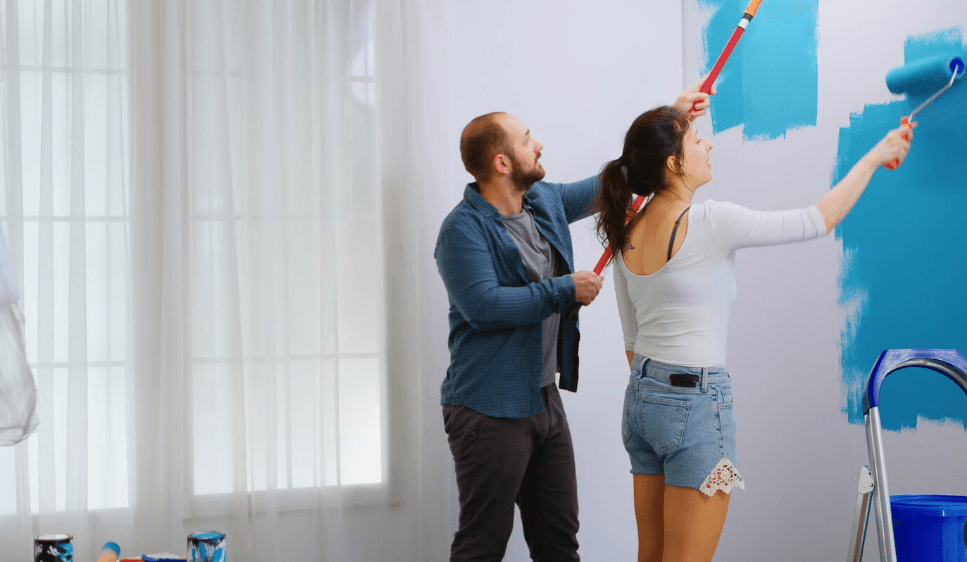
Your home’s paint does more than make your property look attractive. It also helps protect walls, timber, and other surfaces from everyday wear and environmental exposure. However, over time, even a well-painted home can develop problems such as peeling, fading, cracking, bubbling, or discolouration.
For many Sydney homeowners, these issues start small. A little peeling paint near a window, a faded exterior wall, or a few cracks in the living room might not seem serious. But ignoring these warning signs can sometimes lead to more extensive repairs and higher maintenance costs.
Sydney’s changing weather conditions, strong sunlight, coastal humidity, and occasional heavy rainfall can all affect painted surfaces. Poor surface preparation and unsuitable paint products may also contribute to early deterioration.
Understanding these problems is the first step towards protecting your property.
In this guide, we’ll explore common residential painting problems, what causes them, how to prevent them, and when professional Sydney residential painting services may be necessary.
1. Why Is Paint Peeling Off Your Walls?
Peeling paint is one of the most frustrating problems homeowners experience. It can make otherwise well-maintained rooms look neglected and may indicate an underlying issue.
Paint usually begins peeling when it loses adhesion to the surface underneath.
Common causes of peeling paint
Several factors can contribute to this problem:
- Moisture entering walls through leaks or condensation.
- Painting over dirty, dusty, or greasy surfaces.
- Applying new paint over loose or deteriorating coatings.
- Using unsuitable primers or paint products.
- Insufficient drying time between coats.
Peeling is particularly common around bathrooms, kitchens, windows, and exterior surfaces exposed to moisture.
How can you fix peeling paint?
Simply painting over peeling areas is rarely a lasting solution.
The affected paint should be removed, the underlying cause investigated, and the surface properly prepared before repainting.
If moisture is responsible, the leak or condensation problem must be addressed first.
Experienced residential painters in Sydney can assess surface conditions and recommend suitable preparation methods before applying a new coating.
2. Why Does Exterior Paint Fade So Quickly in Sydney?
Have you noticed that your once-vibrant exterior walls now look dull or uneven?
Paint fading is a common concern, particularly on surfaces exposed to direct sunlight.
Sydney experiences high levels of ultraviolet radiation, which can gradually break down paint pigments and affect the appearance of exterior coatings.
What causes exterior paint fading?
The main contributing factors include:
- Prolonged UV exposure.
- Low-quality or unsuitable exterior paint.
- Dark or highly saturated colours that may show fading more noticeably.
- Weather exposure and environmental pollution.
- Natural ageing of the paint coating.
North- and west-facing surfaces may receive substantial sunlight, although exposure varies depending on the property’s orientation and surrounding structures.
How can homeowners prevent fading?
Choose exterior paint products specifically formulated for outdoor conditions and UV resistance.
Proper surface preparation and application are also important.
When planning exterior house painting in Sydney, consider selecting durable coatings suitable for your home’s surface materials and exposure conditions.
Professional painters can help you compare paint options based on performance, finish, and maintenance requirements.
3. Cracked Paint: Is It Just an Appearance Problem?
Small cracks in painted walls may initially appear harmless. However, cracking can develop for several reasons, and some require attention beyond repainting.
Fine surface cracks may result from ageing paint, poor adhesion, or excessive coating thickness.
Other cracks can be associated with movement in plaster, timber, or the building structure.
Common reasons paint cracks
- Applying paint too thickly.
- Painting over an unstable existing coating.
- Normal expansion and contraction of building materials.
- Poor preparation of previously damaged surfaces.
- Using unsuitable paint systems.
What should you do?
First, determine whether the cracking affects only the paint or extends into the underlying wall.
Minor paint defects may be repaired through appropriate preparation, filling, priming, and repainting.
However, widening, recurring, or significant structural cracks should be assessed by a suitably qualified building professional before cosmetic work begins.
A successful residential painting project starts with understanding the condition of the surface rather than simply covering visible defects.
4. Bubbling Paint: A Warning Sign of Moisture Problems
Paint bubbles occur when sections of the coating lift away from the surface, creating raised areas or blisters.
This problem can appear on both interior and exterior walls.
In many cases, trapped moisture contributes to bubbling. However, heat, poor adhesion, and unsuitable application conditions can also be responsible.
Areas where bubbling commonly occurs
- Bathrooms and laundries.
- Kitchens with limited ventilation.
- Exterior walls exposed to rain.
- Walls near leaking windows.
- Surfaces affected by plumbing or roof leaks.
How to address bubbling paint
Before repainting, identify the cause.
If moisture is present, investigate and repair the source. Allow the affected surface to dry adequately before preparing it for painting.
Damaged coatings may need to be removed, and suitable primers applied before repainting.
Professional house painting services in Sydney can help ensure that the correct preparation and coating system are used once underlying issues have been resolved.
5. Why Do Freshly Painted Walls Look Patchy or Uneven?
Imagine investing time and money in repainting your living room, only to notice visible roller marks, uneven colour, or inconsistent sheen.
Patchy paintwork can be disappointing, especially when you’ve carefully selected the perfect colour.
Common causes of uneven paintwork
- Inconsistent paint application.
- Inadequate surface preparation.
- Different levels of surface porosity.
- Insufficient coats.
- Poor-quality painting equipment.
- Failure to maintain a wet edge during application.
Some walls may also require priming to prevent uneven paint absorption.
How to achieve a smoother finish
Good results depend on both preparation and application.
Walls should be cleaned, repaired, sanded where necessary, and primed when appropriate.
Using suitable rollers, following the manufacturer’s instructions, and applying consistent coats can help create a more uniform finish.
For larger projects, professional interior house painting can reduce the risk of visible application defects.
6. Mould and Mildew on Painted Walls
Dark spots appearing on walls or ceilings may indicate mould growth, particularly in areas with high humidity or inadequate ventilation.
Mould is more than a cosmetic issue. It can indicate excess moisture and may affect indoor air quality.
Why does mould develop?
Common contributing factors include:
- Poor ventilation.
- Condensation on cool surfaces.
- Water leaks.
- Persistent dampness.
- Inadequate moisture control.
Bathrooms, laundries, and poorly ventilated rooms are especially vulnerable.
Can you simply paint over mould?
No. Painting over active mould does not address the moisture problem and may allow the issue to return.
The source of moisture should be identified and corrected, and affected areas should be cleaned or remediated using appropriate safety procedures.
Extensive mould contamination may require professional remediation.
Once the surface is safe, clean, and dry, suitable coatings can be considered.
7. Choosing the Wrong Paint for Different Areas of Your Home
Not all paints are suitable for every room or surface.
A product designed for low-traffic interior walls may not provide the durability required for a busy hallway, bathroom, or exterior timber surface.
Choosing the wrong product can lead to premature wear, difficult cleaning, and reduced coating performance.
Paint considerations for different areas
| Area | Important considerations |
| Living rooms | Appearance, cleanability, and suitable sheen |
| Bedrooms | Comfortable finish and appropriate indoor paint |
| Kitchens | Washability and resistance to everyday marks |
| Bathrooms | Moisture management and suitable coating systems |
| Exterior walls | UV resistance, weather durability, and substrate compatibility |
| Doors and trims | Durability, adhesion, and resistance to frequent handling |
When planning residential painting in Sydney, selecting appropriate products for each surface is just as important as choosing attractive colours.
8. How Often Should Sydney Homeowners Repaint Their Homes?
There is no single repainting schedule that suits every property.
The lifespan of a paint job depends on the quality of previous work, the coating system, surface material, weather exposure, and ongoing maintenance.
As a broad planning guide, some interior rooms may remain in good condition for seven to ten years or longer, while busy family areas may require attention sooner.
Exterior coatings may need repainting approximately every five to ten years, although some systems last longer and exposed surfaces may deteriorate sooner.
These are general estimates rather than fixed replacement intervals.
Signs your home may need repainting
Look for:
- Noticeable fading or discolouration.
- Peeling, cracking, or flaking paint.
- Persistent stains that cannot be cleaned.
- Worn or damaged trims.
- Chalking or powdery exterior paint.
- Deteriorating protective coatings on timber.
Regular inspections can help homeowners identify issues before they become more expensive to address.
9. Why Proper Surface Preparation Matters More Than You Think
One of the biggest mistakes homeowners make is focusing entirely on the final paint colour while overlooking surface preparation.
Even premium paint may fail prematurely when applied to poorly prepared surfaces.
Depending on the condition of the property, preparation may involve cleaning, removing loose paint, sanding, filling imperfections, repairing minor surface defects, and applying appropriate primers.
For exterior work, preparation may also involve addressing deteriorated timber, removing chalking, and checking for moisture-related problems.
At Advance Painting, careful surface preparation is an important consideration when planning residential painting work.
Taking time to prepare surfaces properly helps improve adhesion, appearance, and the durability of the finished coating.
10. DIY Painting or Professional Residential Painting: Which Is Better?
Painting a small room can be a manageable DIY project for homeowners with suitable tools, experience, and time.
However, larger residential painting projects can become challenging, particularly when they involve high ceilings, extensive repairs, multiple rooms, or exterior access.
Challenges of DIY house painting
Homeowners may encounter:
- Difficulty achieving consistent finishes.
- Incorrect surface preparation.
- Unexpected paint and equipment costs.
- Furniture and flooring protection issues.
- Longer project completion times.
- Safety risks when working at heights.
Older properties may also contain hazardous materials, including lead-based paint, that require appropriate assessment and handling.
Professional house painters in Sydney bring experience in preparation, product selection, application techniques, and project organisation.
For extensive or complex work, professional painting services may help reduce disruption and avoid preventable mistakes.
How Advance Painting Can Help Sydney Homeowners
When paint begins to peel, fade, crack, or deteriorate, choosing the right solution requires more than applying another coat.
It starts with understanding the condition of the surface and selecting suitable preparation and painting methods.
Advance Painting provides residential painting services in Sydney, helping homeowners refresh and maintain their properties through interior and exterior painting.
Whether you’re planning to update tired interior walls, improve your home’s exterior appearance, or undertake a complete residential repaint, professional workmanship can make a meaningful difference.
Explore Advance Painting’s residential and house painting services in Sydney to learn more about your options.
Frequently Asked Questions
1. What are the most common residential painting problems in Sydney?
Common issues include peeling paint, fading exterior colours, cracking, bubbling, mould growth, and uneven finishes. These problems may result from moisture, UV exposure, ageing coatings, or inadequate preparation.
2. How much does residential painting cost in Sydney?
Costs depend on the property’s size, surface condition, preparation requirements, paint products, access, and the number of coats needed. A site-specific quote is the most reliable way to estimate the cost.
3. Is it better to repaint or repair damaged walls first?
Damaged walls should be assessed and repaired as necessary before repainting. Applying paint over unresolved cracks, moisture damage, or unstable coatings can lead to recurring problems.
4. What is the best time of year for exterior house painting in Sydney?
Exterior painting is generally best scheduled during suitable dry weather with temperatures and humidity within the paint manufacturer’s recommended application range. Weather conditions matter more than the season alone.
5. How can I make my house paint last longer?
Use suitable paint products, prepare surfaces thoroughly, address moisture problems promptly, and maintain painted areas through regular cleaning and inspections.
6. Why should I hire professional residential painters in Sydney?
Professional painters can assess surface conditions, recommend suitable coating systems, carry out preparation, and apply paint consistently. This can be particularly valuable for larger, complex, or exterior projects.
Conclusion
Fading, peeling, cracking, and bubbling paint are common problems that Sydney homeowners may encounter as their properties age.
While some issues are mainly cosmetic, others can indicate moisture damage, unsuitable coatings, or poor surface preparation.
Recognising these warning signs early and addressing their underlying causes can help protect your home and reduce unnecessary maintenance expenses.
A successful Sydney residential painting project requires careful planning, suitable materials, proper preparation, and attention to detail.
Whether you’re refreshing a single room or considering a complete home repaint, Advance Painting can help you explore professional painting solutions suited to your property.