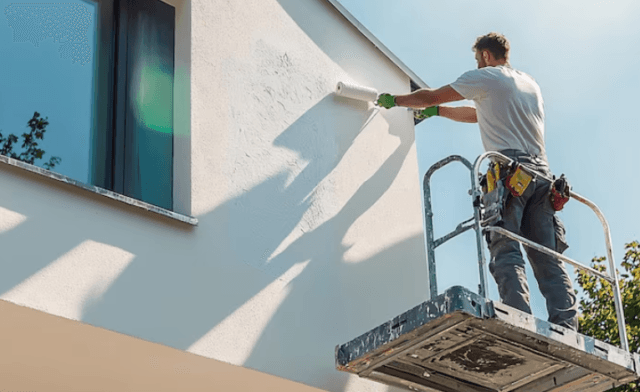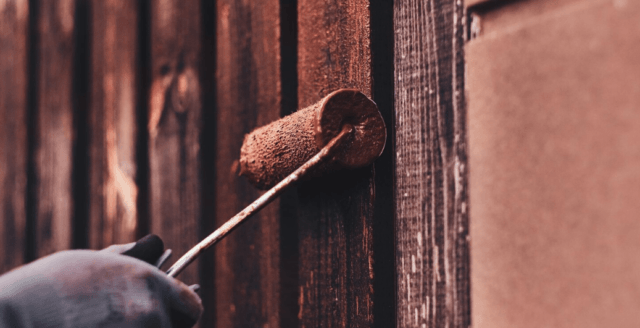
Painting your home can be one of the simplest ways to refresh its appearance, improve kerb appeal and give tired spaces a new lease on life. However, achieving a professional-looking result involves much more than choosing a colour and picking up a paintbrush.
From skipping surface preparation to choosing the wrong paint or painting in unsuitable weather, small mistakes can affect the appearance, durability and overall cost of a project. This is particularly important in Sydney, where homes can experience strong sunlight, humidity, rain and changing weather conditions.
If you are planning to repaint your property, understanding the most common mistakes can help you make better decisions and achieve a finish that lasts.
1. Skipping Proper Surface Preparation
One of the biggest mistakes homeowners make is rushing into painting without properly preparing the surface.
Paint needs a clean, stable and suitable surface to adhere properly. Dirt, dust, mould, loose paint, cracks and other surface problems can affect the finished result if they are simply painted over.
Before painting, surfaces may need to be:
- Cleaned thoroughly
- Scraped to remove loose paint
- Sanded where necessary
- Repaired and filled
- Allowed to dry properly
- Primed where required
Australian paint guidance also emphasises the importance of preparing previously painted exterior surfaces and ensuring they are clean and free from contaminants before applying new coatings.
A fresh coat may temporarily hide an issue, but it does not necessarily fix the problem underneath. If peeling, cracking or moisture damage is ignored, these issues can eventually become visible again.
2. Painting Over Peeling or Damaged Paint
It can be tempting to simply apply new paint over an old surface that looks tired. Unfortunately, this can create problems later.
If existing paint is loose or peeling, the new coating may have difficulty bonding to the surface underneath. As the old paint continues to deteriorate, the new coating can also peel away with it.
A better approach is to identify the cause of the problem, remove unstable coatings and prepare the surface before applying new paint.
This is one reason professional house painters in Sydney spend significant time assessing and preparing surfaces before applying the final coats.
3. Choosing Paint Based Only on Price
Paint prices can vary considerably, and choosing the cheapest product may seem like a way to reduce the cost of a project.
However, paint should be selected according to the surface, location, exposure and intended use rather than price alone.
Interior and exterior surfaces have different requirements. Exterior coatings need to cope with environmental exposure, while interior products need to suit the room and level of everyday wear.
Sydney homes can also have very different exposure depending on their location. Coastal properties may experience salt-laden air, while homes exposed to strong afternoon sun may experience greater UV exposure.
The right product should therefore be considered as part of the overall painting system rather than as an isolated purchase.
4. Ignoring Sydney’s Weather Conditions
Weather can have a significant impact on exterior painting.
Painting on a surface that is wet, excessively humid or exposed to rain before the coating has properly dried can affect adhesion and the finished appearance. Excessive heat and direct sunlight can also cause some paints to dry too quickly.
Dulux recommends checking weather conditions before exterior painting and advises against painting when rain is forecast or when surfaces are excessively cold or humid.
For Sydney homeowners, this means the painting schedule should take the forecast into account rather than simply choosing a convenient weekend.
Professional painters can assess the conditions and determine whether a particular day is suitable for exterior work.
5. Using the Same Approach for Every Surface
A house can contain many different surfaces, including rendered walls, brick, timber, metal, doors, trims and ceilings.
Each surface may require a different preparation method or coating system.
For example, timber may require specific preparation and priming, while previously painted masonry may require cleaning and repairs before a suitable exterior coating is applied.
Using one product and one application method across every surface can lead to poor adhesion, uneven coverage or premature deterioration.
Experienced house painters Sydney homeowners hire should be able to identify the different surfaces involved and recommend an appropriate approach.
6. Underestimating the Importance of Primer
Primer is sometimes treated as an unnecessary extra step, particularly when homeowners are trying to reduce costs.
However, primer can play an important role when dealing with certain surfaces, repairs, bare areas or changes in the existing coating system.
The appropriate primer can help prepare the surface for the topcoat and improve consistency and adhesion where required.
Not every wall needs the same priming system, so the decision should be based on the condition and type of surface rather than applying primer—or skipping it—automatically.
7. Applying Paint Too Quickly
Another common mistake is trying to complete a painting project as quickly as possible.
Paint needs adequate drying and curing time between coats. Applying another coat too soon can interfere with the finish, while rushing preparation can leave visible imperfections underneath the new coating.
A professional painting schedule should allow enough time for preparation, repairs, drying and recoating.
The manufacturer’s instructions should always be followed because drying and recoat times vary between products and environmental conditions.
8. Neglecting Small Cracks and Repairs
Small cracks, gaps and damaged areas can easily be overlooked when preparing a home for painting.
However, painting over these problems does not necessarily resolve them.
Before painting, homeowners should inspect walls, trims, windows and other surfaces for issues that may need attention. Depending on the cause, repairs, filling, sealing or other preparation may be necessary.
This is particularly important on exterior surfaces, where gaps and damaged areas can allow moisture to reach places it should not.
A quality painting project should therefore consider the condition of the surface rather than treating painting as purely cosmetic work.
9. Choosing Colours Without Testing Them
A colour that looks perfect on a small sample may appear completely different across an entire room or exterior wall.
Lighting, surrounding surfaces and the orientation of a room can all influence how a colour looks throughout the day.
Before committing to a colour, consider testing samples in the actual space. Look at them during different lighting conditions rather than making a decision based solely on a small colour card.
For exterior projects, it is also worth considering how the colour will look in direct sunlight and alongside the roof, windows, landscaping and neighbouring properties.
10. Forgetting to Protect Floors, Furniture and Landscaping
Painting should not create unnecessary damage to areas that are not being painted.
Furniture, flooring, windows, fixtures, paths and landscaping should be appropriately protected during the project.
Good preparation and protection can help minimise accidental splashes, spills and overspray while also making the cleanup process easier.
For exterior painting, plants and outdoor areas may require particular attention. Moving furniture and other items away from the work area can also provide painters with safer and easier access.
11. Focusing Only on the Cheapest Quote
Price is an important consideration, but it should not be the only factor when comparing painting contractors.
Two quotes may look similar at first but include very different levels of preparation, materials, repairs and finishing work.
Before accepting a quote, ask:
- What preparation is included?
- Which areas will be painted?
- Are minor repairs included?
- What type of paint will be used?
- How many coats are included?
- How will floors and furniture be protected?
- What is the expected timeframe?
- Is cleanup included?
Understanding what is included can help you compare quotes based on value rather than simply choosing the lowest number.
12. Trying to Do Difficult Painting Work Without the Right Equipment
Painting a single room may appear straightforward, but larger projects can involve significant preparation, access and safety considerations.
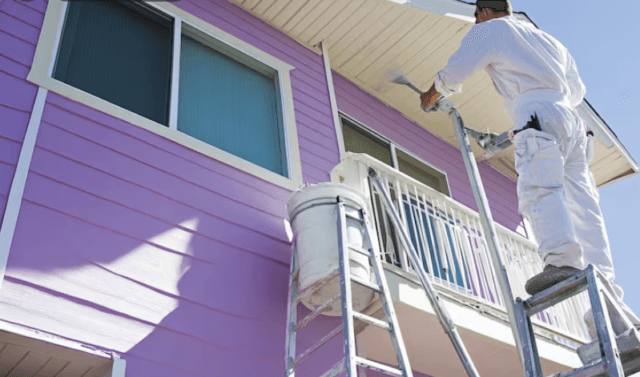
Exterior painting can become particularly challenging when working at height, around difficult access areas or across multiple levels.
Trying to save money by handling complicated work without the appropriate equipment or experience can increase safety risks and potentially affect the final result.
For larger residential projects, working with experienced house painters in Sydney can provide homeowners with a more structured and professional approach.
How to Avoid These Common Painting Mistakes
The best way to avoid painting problems is to plan the project before work begins.
Start by inspecting the property and identifying areas that require cleaning, repairs or preparation. Consider the type of surface, the appropriate paint system and the weather conditions if exterior work is involved.
It is also important to establish a realistic timeframe. Good painting is not simply about how quickly the paint can be applied. Preparation and drying time are essential parts of the process.
Most importantly, don’t judge a painting project only by the final colour. A professional finish depends on what happens underneath the paint as much as what you can see once the work is complete.
Why Professional House Painters Can Make a Difference
Professional painting involves planning, preparation and application—not simply putting paint on a wall.
Experienced painters can assess surfaces, identify preparation requirements, select suitable products and apply coatings using appropriate techniques.
For Sydney homeowners, professional experience can also be valuable when dealing with different property types and environmental conditions.
At Advance Painting, we focus on the complete painting process, from preparation and surface repairs through to the final finish. Our team provides residential painting services for homeowners who want a clean, professional result without unnecessary shortcuts.
If you’re planning a residential painting project, you can learn more about our house painting services in Sydney and discuss the requirements of your property with our team.
Frequently Asked Questions
What is the biggest mistake when painting a house?
One of the most common mistakes is inadequate surface preparation. Painting over dirt, loose paint, damaged surfaces or other unstable materials can affect adhesion and may lead to peeling or an uneven finish.
Is it okay to paint a house when rain is expected?
Exterior painting should generally be planned around suitable weather conditions. Rain or moisture during the drying period can interfere with the coating. Always follow the paint manufacturer’s recommendations and allow sufficient drying time.
How do I choose the right paint for my Sydney home?
Consider whether the surface is interior or exterior, the material being painted, exposure to sunlight and moisture, expected wear and the desired finish. A professional painter or paint manufacturer’s guidance can help you select a suitable product.
Should I repair cracks before painting?
Yes. Cracks and damaged areas should be assessed before painting. Simply covering them with paint may not address the underlying problem and can leave imperfections visible after the project is completed.
Is professional house painting worth it?
For larger or more complicated projects, professional painting can provide benefits such as proper surface preparation, appropriate product selection, consistent application and safer handling of difficult areas.
How can I get a better painting result?
Start with thorough preparation, choose suitable products, allow adequate drying time and avoid painting in unsuitable weather conditions. Paying attention to these fundamentals can make a significant difference to the final result.
Final Thoughts
A successful house painting project is about much more than choosing a colour.
Skipping preparation, using unsuitable products, ignoring weather conditions, rushing between coats or choosing a contractor based only on price can all affect the final result.
By understanding these common mistakes, Sydney homeowners can plan their painting projects more carefully and make informed decisions about the work their property needs.
Whether you’re refreshing a few rooms or planning a complete residential repaint, investing in proper preparation and quality workmanship can help create a finish that looks better and performs well over time.
For homeowners searching for house painters Sydney, Advance Painting can help with professional residential painting solutions tailored to the needs of your property.